
IUI Treatment Cost & Procedure in India
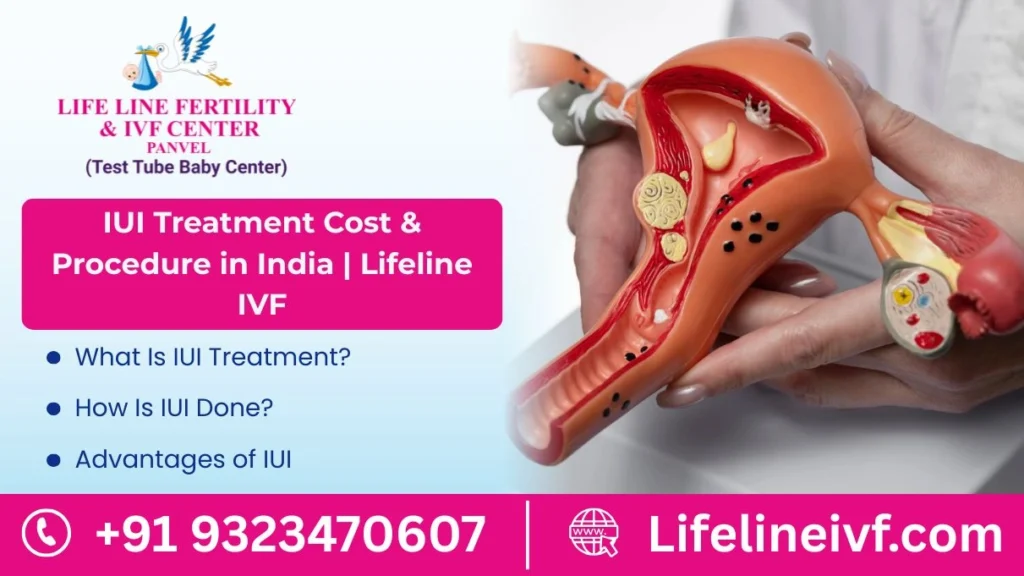
Blog IUI Treatment Cost: A Complete Guide to Affordable Fertility Care Becoming a parent is a dream for many couples. For those facing fertility challenges, Intrauterine Insemination (IUI) can offer hope. It’s one of the simplest and most affordable fertility treatments available today. This guide explains what IUI is, how it works, what affects its cost, and how you can make the most out of your fertility journey. What Is IUI Treatment? Intrauterine Insemination (IUI) is a fertility procedure that involves placing healthy, prepared sperm directly into a woman’s uterus around the time of ovulation. The goal is to increase the chances of the sperm meeting the egg naturally, helping fertilization occur more efficiently. IUI is often the first step for couples trying fertility treatments because it is less invasive, more affordable, and requires minimal medical intervention compared to other options like IVF. How Is IUI Done? The IUI procedure is a simple, painless process that usually takes less than 20 minutes. Step-by-Step Process Ovulation Monitoring: Doctors track the woman’s cycle using ultrasound or ovulation kits to find the best time for insemination. Sperm Preparation: The semen sample is processed in a lab to separate the most active sperm. Insemination: The prepared sperm is inserted into the uterus using a thin catheter. Rest and Recovery: The patient rests briefly and can resume normal activities the same day. It’s quick, safe, and usually performed without anesthesia. Advantages of IUI 1. Affordable Fertility Option IUI treatment is one of the most cost-effective fertility options available, making it ideal for couples starting their fertility journey. 2. Simple and Non-Surgical No surgery or anesthesia is required, and recovery is almost immediate. 3. Helps with Mild Fertility Problems IUI is particularly effective for couples facing mild male infertility, cervical issues, or unexplained infertility. Disadvantages of IUI While IUI has several benefits, it may not be suitable for all cases. Common Limitations Lower success rate compared to IVF Not effective for severe male infertility or blocked fallopian tubes Some couples may need multiple cycles for success A fertility specialist can help decide whether IUI is the best option. Steps for IUI Treatment The IUI process usually follows these stages: Treatment Flow Consultation & Testing: Basic fertility tests for both partners. Ovarian Stimulation: Fertility medications help produce one or more mature eggs. Monitoring: Ultrasound scans and blood tests track follicle growth. Sperm Collection: The semen sample is collected and processed. Insemination: The IUI procedure is performed at the right time for ovulation. Follow-up: After about two weeks, a pregnancy test confirms results. Who Gets the Most Benefit from IUI? IUI is often recommended for: Couples with mild male infertility Women with ovulation problems Couples with unexplained infertility Those using donor sperm Same-sex couples or single women It is an excellent first-line treatment before considering more advanced fertility methods. IUI Success Rates and Factors Impacting Success IUI success rates typically range from 10% to 20% per cycle. Success depends on several key factors. Factors Influencing Success Age: Women under 35 tend to have higher success rates. Sperm Quality: Healthy sperm improve the chances of fertilization. Timing: Properly timed insemination during ovulation boosts results. Fertility Issues: Conditions like PCOS or endometriosis can affect success rates. Doctors may recommend 3–6 IUI cycles before moving to other fertility treatments. Looking for professional support during your TESA recovery journey? Book An Appointment Using the IUI Procedure for Becoming Pregnant IUI increases the chance of pregnancy by improving the proximity between sperm and egg. This method is ideal for couples who have been trying naturally for several months without success. When combined with fertility medication, IUI can help improve ovulation and increase pregnancy rates safely. Factors Affecting IUI Treatment Cost The IUI treatment cost can vary depending on the individual’s medical condition and clinic facilities. On average, the cost in India ranges between ₹10,000 and ₹25,000 per cycle. Key Factors That Affect Cost Fertility medications: Hormonal injections or tablets may increase costs. Diagnostic tests: Ultrasounds, blood tests, and semen analysis are often required. Doctor’s experience: Fertility experts with high success rates may charge slightly more. Location of the clinic: Metro cities or specialized fertility centers can have higher rates. Donor sperm usage: Adds additional expenses if used. The IUI Procedure Explained The IUI procedure itself is quick and straightforward. Here’s what happens during the insemination process: What Happens on the Day of IUI The woman lies comfortably on an examination table. The doctor inserts a soft, thin tube through the cervix. The prepared sperm sample is injected into the uterus. The process is completed within minutes. Afterward, the patient may rest briefly before returning to daily activities. What’s Included in the IUI Cost? Understanding what’s included in the total IUI package helps you plan your fertility budget better. Common Inclusions Consultation and counseling Ultrasound scans and monitoring Sperm washing and preparation IUI procedure itself Basic follow-up consultation Medications and advanced tests may be billed separately depending on the treatment plan. Tips to Manage and Reduce IUI Costs Helpful Cost-Saving Tips Ask about multi-cycle IUI packages. Choose clinics with transparent pricing. Maintain a healthy lifestyle for better success in fewer cycles. Follow doctor’s instructions closely to minimize treatment delays. Careful planning ensures you get the most value from your fertility journey. Why Choose Lifeline IVF Panvel? At Lifeline IVF Panvel, patients receive expert fertility care through a personalized approach. The clinic combines advanced technology with experienced fertility specialists to make every treatment safe, effective, and affordable. The team focuses on patient comfort, transparency, and individualized care — ensuring that each couple receives a treatment plan suited to their unique needs. From diagnosis to conception, every step is handled with compassion and expertise. Conclusion IUI is one of the simplest, safest, and most cost-effective fertility treatments. It bridges the gap between natural conception and advanced procedures like IVF. Understanding the IUI treatment cost, procedure, and success factors helps couples make informed decisions about starting a family. With the right care, preparation, and guidance, the
TESA Procedure: Steps, Benefits, Risks & Recovery | Lifeline IVF Panvel
Blog TESA Procedure Explained: Purpose, Steps, Benefits, and Recovery Infertility can be an emotional challenge, and when the cause lies in male reproductive issues, advanced medical techniques like the TESA procedure (Testicular Sperm Aspiration) offer real hope. This minimally invasive method retrieves sperm directly from the testes, helping couples conceive through assisted reproductive treatments such as IVF or ICSI. This blog explains what the TESA procedure is, how it’s done, its benefits, recovery time, and how it differs from other fertility treatments. What Is TESA? TESA (Testicular Sperm Aspiration) is a medical procedure used to extract sperm directly from testicular tissue in men with little or no sperm in their semen — a condition known as azoospermia. It’s performed under local anesthesia with a fine needle, allowing sperm retrieval even when natural ejaculation is not possible. The collected sperm is then used in IVF or ICSI to help achieve fertilization and pregnancy. How TESA Is Done The TESA procedure is simple, safe, and quick — usually completed within 15 to 30 minutes. Step-by-Step Process Preparation: The area is numbed using local anesthesia. Aspiration: A fine needle is inserted into the testis to collect tissue containing sperm. Laboratory Analysis: Specialists process the sample to isolate viable sperm for use in IVF or ICSI. Storage: If not used immediately, the sperm can be frozen (cryopreserved) for future cycles. TESA is performed on an outpatient basis, so patients can usually go home the same day. What Is the TESA Procedure, and How Does It Work? The TESA procedure works by retrieving sperm directly from the testicles when semen samples show no sperm. These retrieved sperm cells are often immature, so they’re used for ICSI (Intracytoplasmic Sperm Injection), where a single sperm is injected into an egg for fertilization. This procedure provides an effective solution for male infertility, especially when other methods of sperm collection aren’t possible. Why Is the TESA Procedure Performed? Doctors recommend TESA when sperm are absent in semen due to: Obstructive azoospermia (blockage in the reproductive tract) Non-obstructive azoospermia (poor sperm production) Previous vasectomy or failed reversal Hormonal or genetic conditions affecting sperm production TESA helps men achieve biological fatherhood, even when natural sperm release isn’t possible. Advantages of TESA The TESA procedure has several key benefits: Minimally invasive and requires only local anesthesia Quick procedure and recovery No stitches or visible scarring Suitable even for severe cases of azoospermia Allows fresh or frozen sperm use in IVF/ICSI Complications of TESA Though safe, some mild and temporary side effects may occur, such as: Slight pain, swelling, or bruising in the testicular area Minor discomfort for 1–2 days Rarely, infection or tenderness Most patients recover fully with rest and mild pain medication. Who Can Benefit from TESA? TESA is ideal for: Men with azoospermia (no sperm in semen) Those with blocked sperm ducts or previous vasectomy Patients with failed ejaculation or low sperm motility Couples planning ICSI where sperm quality is low Need expert guidance to ensure a smooth recovery after the TESA procedure? Book An Appointment TESA-IVF: Success Rates and Benefits Combining TESA with IVF/ICSI increases the chances of conception for couples facing male infertility. On average, pregnancy success rates using TESA-retrieved sperm range from 40% to 60%, depending on sperm quality, egg health, and female age. This makes TESA an important option for achieving successful fertilization even in challenging cases. TESA Procedure: Side Effects and Recovery Time Potential Side Effects Mild soreness or tenderness near the testis Temporary redness or bruising Rare infection or swelling Recovery Time Most men recover in 24–48 hours. Doctors advise avoiding heavy physical activity, exercise, or sexual intercourse for about a week to ensure complete healing. TESA vs. Other Fertility Treatment Options TESA vs. PESA (Percutaneous Epididymal Sperm Aspiration) TESA retrieves sperm directly from the testis. PESA collects sperm from the epididymis (the tube near the testis). TESA is preferred for cases of poor sperm production rather than blocked sperm pathways. TESA vs. IVF with Ejaculated Sperm IVF uses sperm collected through ejaculation. TESA-IVF uses sperm directly retrieved from the testes when ejaculation yields no sperm. TESA ensures biological parenthood is still possible for men with zero sperm count. How Long Does TESA Treatment Take? The TESA procedure takes about 15–30 minutes and requires a few hours of observation before discharge. Patients typically return to normal routines within 1–2 days, depending on individual recovery. Potential Risks and Complications of TESA Complications are uncommon but may include: Mild swelling or bruising Temporary pain in the testicular area Rare infection An experienced fertility specialist minimizes these risks and ensures smooth recovery. Why Choose Lifeline IVF Panvel? At Lifeline IVF Panvel, patients receive compassionate, expert fertility care supported by advanced technology and modern labs. The clinic offers patient-centered, transparent treatment with personalized plans and dedicated support throughout every stage. With a focus on comfort, precision, and long-term reproductive health, Lifeline IVF Panvel helps couples confidently achieve their dream of parenthood. Conclusion The TESA procedure is a safe, effective, and minimally invasive solution for men facing infertility challenges. By retrieving sperm directly from the testes, TESA opens the door to parenthood for couples struggling with azoospermia or low sperm count. With proper medical care and guidance from an experienced fertility team, recovery is quick and success rates are encouraging — offering hope to couples on their fertility journey. FAQs Is the TESA procedure painful? No, it’s done under local anesthesia, so you’ll feel minimal discomfort. How long does recovery take after TESA? Most patients recover within one to two days. Can TESA be repeated if no sperm are found? Yes, your doctor may repeat it if necessary. Can TESA sperm be frozen for later IVF use? Yes, retrieved sperm can be cryopreserved for future IVF/ICSI cycles. What is the success rate of IVF using TESA sperm? Success rates generally range between 40%–60%, depending on fertility factors. No, it’s done under local anesthesia, so you’ll feel minimal discomfort. Most patients recover within one to two days. Yes, your