
Male Fertility Foods to Avoid: Diet Mistakes That Lower Sperm Health
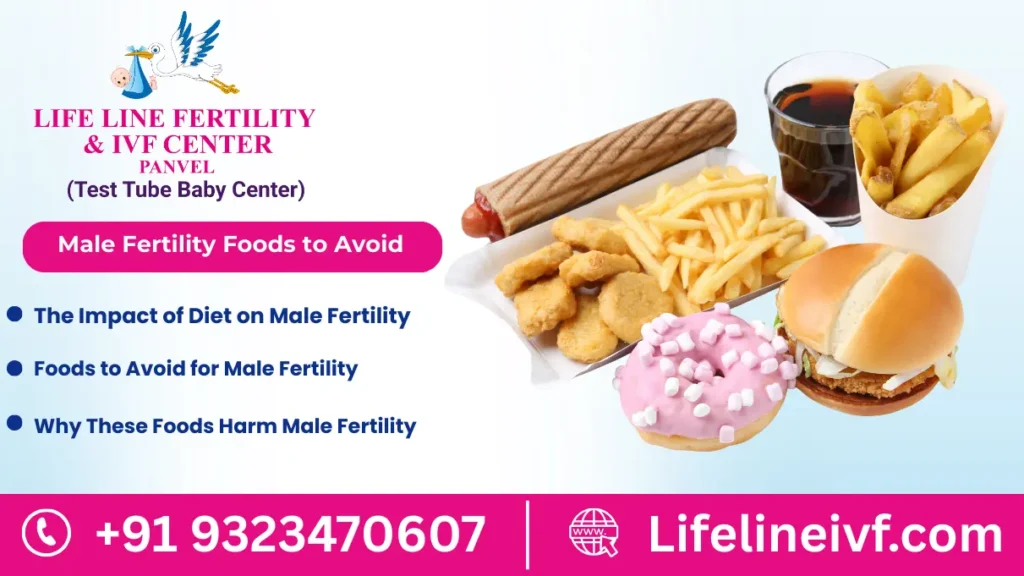
Male Fertility Foods to Avoid: Diet Mistakes That Lower Sperm Health Male fertility plays an important role in pregnancy, yet many people believe infertility is only related to women. In reality, male fertility problems contribute to nearly half of all infertility cases. One of the most common and preventable reasons for poor sperm health is an unhealthy diet. What a man eats every day directly affects his sperm count, movement, shape, and DNA quality. Certain foods can quietly reduce fertility without causing any visible symptoms. This blog highlights foods that are detrimental to male fertility, explains why they should be avoided, and helps men make better decisions for improved reproductive health. Even teenagers may comprehend how food affects fertility because this information is stated in plain language. The Impact of Diet on Male Fertility Diet is the body’s fuel. Unhealthy eating can harm sperm health in the same way that poor fuel might harm a car. A poor diet may result in: Low number of sperm Inadequate motility of sperm Unusual sperm form An imbalance of hormones An increase in sperm harm to DNA Sperm generation requires nutrients including zinc, selenium, antioxidants, good fats, and vitamins. Sperm quality gradually decreases when a diet high in processed foods, sugar, alcohol, and junk food is consumed. For this reason, when attempting to conceive, doctors highly advise avoiding specific meals. Foods to Avoid for Male Fertility The most popular male fertility foods that are bad for sperm health are listed below. Soy Goods Soy contains phytoestrogens, which act like female hormones in the body. Excess soy consumption may: Lower testosterone levels Reduce sperm concentration Disrupt hormonal balance Moderate soy intake is generally safe, but men trying to conceive should avoid excessive soy milk, tofu, and soy supplements. Meats Processed Examples include: Hot dogs Bacon Sausages Packaged cold cuts Processed meats contain: Preservatives Artificial chemicals High saturated fats Regular consumption is linked to lower sperm count and poor sperm quality. Fish High in Mercury Mercury damages sperm DNA and reduces fertility. Fish to limit or avoid: Shark Swordfish King mackerel Excess tuna Mercury accumulates in the body and negatively affects sperm production and motility. Sugary and Carbonated Drinks Includes: Soft drinks Energy drinks Sweetened beverages These drinks: Increase insulin resistance Cause hormonal imbalance Reduce sperm motility High sugar intake also leads to weight gain, which further lowers testosterone. Canned and Packaged Foods Canned foods often contain BPA (Bisphenol A), a chemical that interferes with male hormones. Packaged foods are usually: High in salt Low in nutrients Full of preservatives Long-term consumption may negatively affect sperm health and fertility. High-Fat Dairy Products Whole milk, cheese, butter, and cream contain high saturated fat. Excess intake may: Lower testosterone levels Affect sperm shape Increase inflammation Low-fat or moderate dairy intake is a safer option for fertility. Trans Fats Found in: Fried foods Bakery items Margarine Fast food Trans fats significantly: Reduce sperm count Increase abnormal sperm formation They are among the worst foods for male fertility. Alcohol Alcohol has a direct negative impact on male fertility. Excess consumption can: Reduce testosterone Decrease sperm count Cause erectile dysfunction Damage sperm DNA Men trying to conceive should limit or avoid alcohol completely. Why These Foods Harm Male Fertility These foods harm fertility because they: Increase oxidative stress Cause hormonal imbalance Damage sperm DNA Reduce testosterone production Increase body fat and inflammation Sperm cells are very delicate. Even small lifestyle mistakes over time can reduce fertility without noticeable symptoms. What Should Men Eat Instead for Better Fertility? Instead of harmful foods, men should focus on fertility-friendly nutrition. Healthy foods include: Fresh fruits and vegetables Nuts and seeds (walnuts, almonds) Whole grains Lean proteins (eggs, fish, chicken) Healthy fats (olive oil, avocado) Zinc-rich foods (pumpkin seeds, lentils) A balanced diet supports sperm production and improves overall reproductive health. Quick Tips to Improve Male Fertility Naturally Small daily habits can significantly improve fertility. Healthy Lifestyle Changes Quit smoking Reduce alcohol intake Avoid junk food Drink enough water Consistency is more important than perfection. Importance of Exercise and Sleep Regular exercise helps: Improve blood circulation Balance hormones Maintain healthy weight At least 7–8 hours of sleep daily is essential for testosterone production. Managing Stress and Weight High stress increases cortisol, which lowers testosterone. Helpful tips: Practice meditation or yoga Maintain a healthy BMI Take breaks from work Avoid late-night screen time Mental health is closely linked to fertility. When Should Men Consult a Doctor for Fertility Issues? Men should consult a fertility specialist if: Trying for pregnancy for over 12 months Low sperm count in reports Erectile or ejaculation issues History of testicular injury or surgery Repeated IVF failures Early diagnosis improves treatment success. Why Choose Kharghar Multispeciality Hospital? Kharghar Multispeciality Hospital works closely with trusted fertility centers like Lifeline IVF Hospital to provide complete support for male fertility evaluation and treatment. The hospital is known for its experienced doctors, advanced diagnostic facilities, and patient-focused approach. Men receive personalized fertility guidance along with ethical and transparent medical care. In addition to medical treatment, the hospital also emphasizes holistic support through lifestyle advice and diet counselling, ensuring patients receive both clinical and practical solutions to improve fertility health. Conclusion Diet has a powerful impact on male fertility. Avoiding unhealthy foods such as processed meats, alcohol, sugary drinks, trans fats, and high-mercury fish can significantly improve sperm health. Frequently Asked Questions (FAQs) on Male Fertility Diet Q1. Can diet alone improve male fertility? Diet plays a major role, but medical treatment may be needed in some cases. Q2. How long does diet take to improve sperm health? Sperm takes about 3 months to regenerate, so dietary changes show results gradually. Q3. How long does diet take to improve sperm health? Sperm takes about 3 months to regenerate, so dietary changes show results gradually. Q4. Should men take supplements for fertility? Only under doctor guidance, as excess supplements can be harmful. Diet plays a major role, but medical treatment may be needed in some cases.