

Azoospermia Treatments
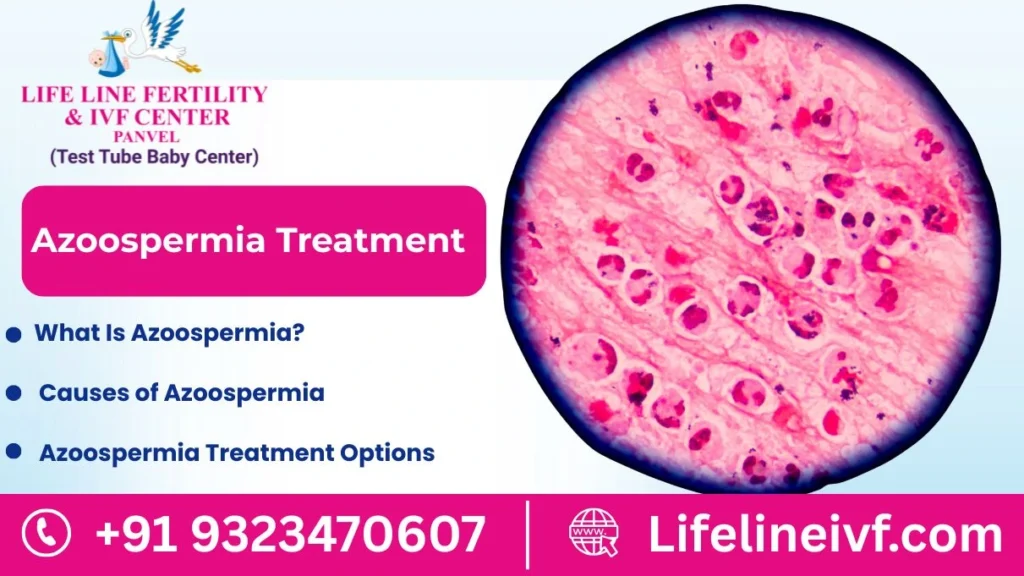
Blog Azoospermia Treatment: What You Should Know About Your Options Being diagnosed with azoospermia can feel overwhelming, especially when you’re trying to understand what it means for your future. This condition, where no sperm is found in the semen, can make natural conception difficult—but it’s important to know that treatment options are available. With the right diagnosis and medical approach, many men are still able to achieve fatherhood. Understanding azoospermia treatment helps you take informed steps forward. At Life Line Fertility & IVF Center, the focus is on identifying the root cause and offering care that is tailored to each individual’s needs. What Is Azoospermia? Azoospermia is a form of male infertility where sperm is absent in the ejaculate. It is generally classified into two types based on the cause. Obstructive azoospermia occurs when there is a blockage in the reproductive tract, preventing sperm from mixing with semen. Non-obstructive azoospermia, on the other hand, is related to reduced or absent sperm production in the testes. Understanding the type of azoospermia is essential, as it directly influences the treatment approach. Causes of Azoospermia There are several possible reasons behind azoospermia. Medical causes may include genetic conditions, hormonal imbalances, infections, or previous surgeries that affect the reproductive system. In addition, lifestyle factors such as smoking, alcohol consumption, prolonged stress, and exposure to environmental toxins can also impact sperm production. Identifying the underlying cause is a crucial step in planning the right treatment. Azoospermia Treatment Options Treatment for azoospermia is not one-size-fits-all. It depends on the cause, overall health, and individual condition. With advancements in fertility care, several effective options are available today. Azoospermia treatment is personalized to the underlying cause, with advanced fertility solutions offering hope for successful parenthood. Book An Appointment Hormonal Treatment If the condition is linked to hormonal imbalance, medications or hormone therapy may help stimulate sperm production and improve fertility. Surgical Correction In cases where a blockage is present, surgical procedures may be used to restore the normal flow of sperm through the reproductive tract. Sperm Retrieval Techniques Techniques like testicular sperm extraction (TESE) or micro-TESE allow specialists to retrieve sperm directly from the testes, even when it is not present in the semen. IVF and ICSI Treatment Advanced techniques such as IVF combined with ICSI are often recommended. These methods make it possible to achieve fertilization using even a very small number of sperm. How Is Azoospermia Diagnosed? Diagnosis begins with a semen analysis to confirm the absence of sperm. To understand the cause, additional tests such as hormone evaluation, genetic testing, and imaging may be recommended. A detailed diagnosis helps specialists choose the most suitable and effective treatment plan. When Should You See a Specialist? If you and your partner have been trying to conceive for over a year without success, it is advisable to consult a fertility specialist. Early evaluation is especially important if there is a history of hormonal issues, infections, or surgeries related to the reproductive system. Seeking medical advice at the right time can improve treatment outcomes and provide clarity on the next steps. Why Choose Life Line Fertility & IVF Center? At Life Line Fertility & IVF Center, care is built around understanding each patient’s unique situation. The process begins with a thorough evaluation to identify the exact cause of azoospermia, followed by a treatment plan tailored to individual needs. With experienced specialists, advanced diagnostic tools, and modern fertility treatments, the center provides comprehensive care at every stage. Patients receive clear guidance, ongoing support, and a structured approach that helps them move forward with confidence. Conclusion Azoospermia treatment has come a long way, offering hope to many individuals facing male infertility. With the right diagnosis and a well-planned treatment approach, achieving parenthood is possible in many cases. At Life Line Fertility & IVF Center, the focus is on providing expert care, accurate diagnosis, and personalized support to help patients take the next step with confidence. FAQ’s Can azoospermia be treated? Yes, treatment is possible depending on the cause. Options may include medication, surgery, or assisted reproductive techniques. Is pregnancy possible with azoospermia? Yes, with techniques like sperm retrieval and IVF, many men with azoospermia can achieve fatherhood. : What is the difference between obstructive and non-obstructive azoospermia? Obstructive azoospermia is caused by a blockage, while non-obstructive azoospermia is due to issues with sperm production. Is azoospermia permanent? Not always. Some cases can be treated or managed effectively depending on the underlying cause. When should I get tested for azoospermia? If conception has not occurred after a year of trying, it is advisable to consult a specialist. Yes, treatment is possible depending on the cause. Options may include medication, surgery, or assisted reproductive techniques. Yes, with techniques like sperm retrieval and IVF, many men with azoospermia can achieve fatherhood. Obstructive azoospermia is caused by a blockage, while non-obstructive azoospermia is due to issues with sperm production. Not always. Some cases can be treated or managed effectively depending on the underlying cause. If conception has not occurred after a year of trying, it is advisable to consult a specialist. A tailored approach to azoospermia treatment can help identify the best fertility solution based on individual health and reproductive goals. Book An Appointment