

Egg Retrieval: Procedure, Preparation & Recovery Guide
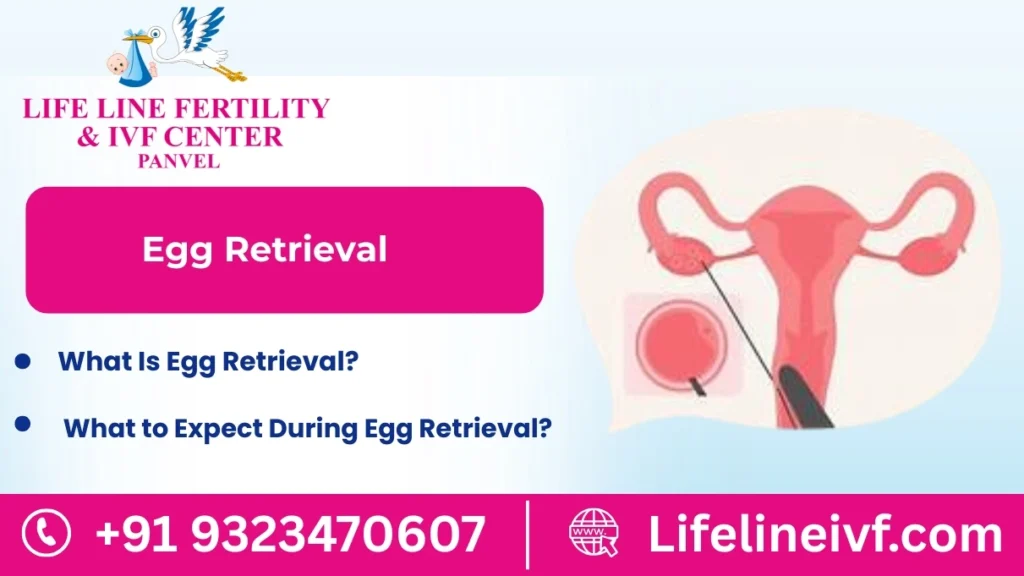
Blog Egg Retrieval: What You Should Know Before the Procedure Beginning an IVF journey can bring a mix of hope, excitement, and many questions. One of the important steps that many patients want to understand better is egg retrieval. It is natural to wonder how the procedure happens, whether it will be uncomfortable, and what the recovery process looks like. Egg retrieval is a carefully performed fertility procedure where mature eggs are collected from the ovaries and prepared for fertilization during IVF treatment. Knowing what happens at each stage can help you feel more relaxed and prepared. At Life Line Fertility & IVF Center, patients receive expert care, advanced fertility support, and personalized guidance throughout their journey. What Is Egg Retrieval? Egg retrieval is an essential step in the IVF process where mature eggs are collected from the ovaries. These eggs are later combined with sperm in a laboratory to support embryo development. Before the procedure, fertility medicines are usually provided to help the ovaries develop multiple eggs. Your doctor carefully monitors your progress through scans and tests to decide the right time for retrieval. This process allows fertility specialists to collect suitable eggs and move ahead with the next stage of treatment. How Is Egg Retrieval Done? Egg retrieval is a short procedure performed by a fertility specialist in a controlled medical environment. The procedure is usually done with proper medication support to help keep the patient comfortable. Using ultrasound guidance, the doctor carefully collects eggs from the ovaries with a thin medical needle. After collection, the eggs are safely handled by specialists and prepared for fertilization. Most patients are able to return home on the same day after resting for a short period. What to Expect During Egg Retrieval? Understanding each step of egg retrieval can help reduce nervousness and make the experience easier. Ready to Begin Your IVF Journey? Book a Fertility Consultation Today. Book An Appointment Before the Procedure Before egg retrieval, your fertility specialist monitors egg development through ultrasound scans and hormonal evaluation. Medications are given according to your treatment plan to prepare your body for the procedure. During the Procedure The procedure is usually completed within a short time under medical supervision. The healthcare team focuses on keeping you comfortable and ensuring the process is carried out safely. After the Procedure After egg retrieval, you will be monitored for some time before going home. Some patients may experience mild cramps, bloating, or discomfort, which usually improves within a few days. Egg Evaluation Process Once the eggs are collected, fertility experts examine them in the laboratory to check their condition and prepare them for the next IVF steps. Next Step After Retrieval The collected eggs are fertilized with sperm to create embryos, which are carefully monitored as part of the IVF process. Is Egg Retrieval Painful? Many patients feel concerned about pain before egg retrieval. The procedure is generally comfortable because it is performed with medical support to minimize discomfort. After the procedure, some patients may notice mild pressure, cramps, or bloating. These symptoms are usually temporary and improve with proper rest and care. Your fertility team will provide detailed instructions to help you recover comfortably. Recovery After Egg Retrieval Recovery after egg retrieval is usually smooth, and many patients can return to their regular routine soon. However, giving your body enough rest and following your doctor’s instructions is important. Recovery Care Tips Rest properly after the procedure Stay hydrated as advised Take medicines exactly as prescribed Avoid heavy exercise for a short period Complete your scheduled follow-up visits Following these simple steps can help support a safe and comfortable recovery. When Should You Talk to a Fertility Specialist? If you are planning IVF treatment or experiencing difficulty conceiving, speaking with a fertility specialist can help you understand the right options available. A specialist can evaluate your fertility health, explain the egg retrieval process, and recommend a treatment approach designed according to your needs. Why Choose Life Line Fertility & IVF Center? At Life Line Fertility & IVF Center, every fertility journey is handled with care, understanding, and personalized attention. The team focuses on making patients feel comfortable and well-informed throughout their treatment. With experienced fertility specialists, advanced technology, and supportive care, procedures like egg retrieval are performed with precision and safety. From consultation to treatment and follow-up care, patients receive complete guidance at every step of their IVF journey. Conclusion Egg retrieval is an important stage of IVF treatment that helps collect mature eggs for fertilization. Understanding the procedure, preparation, and recovery can make the process feel easier and less stressful. At Life Line Fertility & IVF Center, patients receive expert fertility care, advanced treatment options, and supportive guidance designed to make their fertility journey more comfortable and confident. FAQ’s Is egg retrieval painful? Egg retrieval is generally not painful as it is performed with medical support for comfort. Some mild cramping or bloating may happen afterward. How long does the egg retrieval procedure take? The actual procedure usually takes a short time, but preparation and observation after the procedure may require additional time. Can I continue normal activities after egg retrieval? Many patients return to normal activities soon, but it is recommended to avoid heavy activities until advised by the doctor. What happens after eggs are collected? After retrieval, the eggs are examined by specialists and prepared for fertilization as part of the IVF process. How many eggs are collected during egg retrieval? The number of eggs collected differs for every patient and depends on factors like age, ovarian response, and fertility health. Egg retrieval is generally not painful as it is performed with medical support for comfort. Some mild cramping or bloating may happen afterward. The actual procedure usually takes a short time, but preparation and observation after the procedure may require additional time. Many patients return to normal activities soon, but it is recommended to avoid heavy activities until advised by the doctor. After retrieval, the eggs are examined by