
Hair Fall During IVF Treatment: Causes, Care & Tips
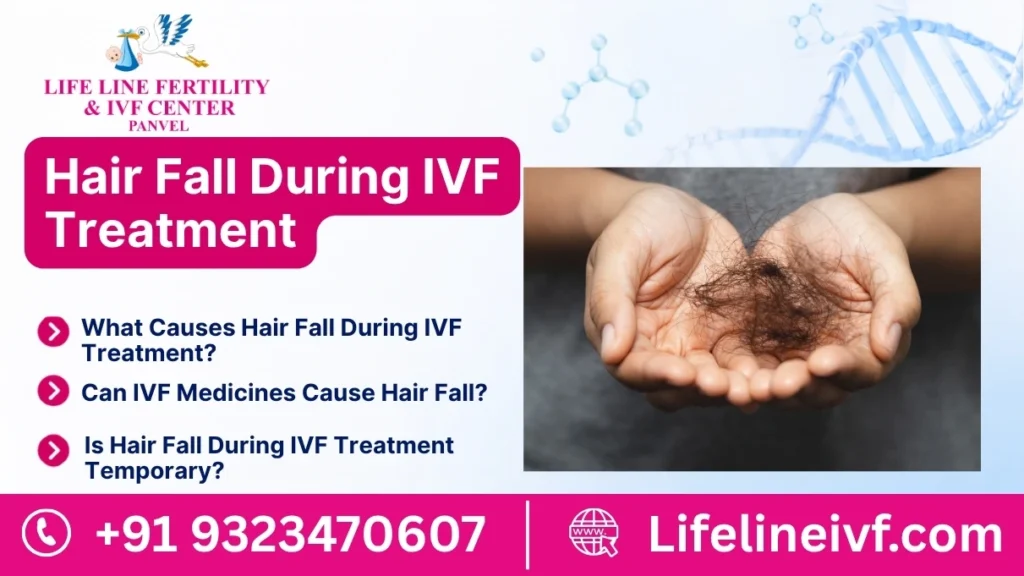
Blog Hair Fall During IVF Treatment: Causes, Care & Tips IVF treatment involves hormonal medicines, regular monitoring, and several physical and emotional changes. While many women focus on the fertility treatment itself, changes in hair growth can also become noticeable during or after an IVF cycle. Hair Fall During IVF Treatment may appear as increased hair shedding while combing, washing, or styling the hair. Hair fall during this period can have several possible causes. Hormonal fluctuations, emotional stress, nutritional changes, poor sleep, existing health conditions, or certain medications may influence the normal hair-growth cycle. In many cases, temporary shedding does not indicate a problem with fertility treatment. However, persistent or excessive hair loss should be discussed with a doctor. What Causes Hair Fall During IVF Treatment? Hair growth naturally moves through different phases, including active growth, resting, and shedding. Changes in the body’s hormonal environment can affect this cycle. During IVF, fertility medicines are used to stimulate the ovaries, support follicle development, or prepare the body for different stages of treatment. These changes may influence hair growth in some women. Stress is another possible factor. Fertility treatment can involve emotional pressure, frequent appointments, uncertainty, and changes in daily routines. Significant physical or emotional stress can sometimes trigger temporary excessive shedding. Nutritional deficiencies, thyroid problems, iron deficiency, and other conditions can also contribute to hair loss, so IVF should not automatically be considered the only cause. Hormonal Changes During IVF Hormones play an important role in the hair-growth cycle. IVF medicines can temporarily alter hormone levels, and individual responses vary. Some women may notice increased shedding or changes in hair texture, while others may not experience any noticeable hair changes. These changes do not necessarily mean that the IVF treatment is affecting fertility negatively. If hair loss becomes significant, the fertility specialist can review the treatment plan and consider other possible causes. Stress and Emotional Changes The IVF journey can be stressful, particularly when treatment involves multiple appointments, medication schedules, procedures, and waiting periods. Stress may affect sleep, appetite, and overall well-being. In some cases, considerable stress can contribute to telogen effluvium, a form of temporary hair shedding in which more hairs than usual enter the resting and shedding phase. This type of hair loss may become noticeable weeks or months after the triggering stress. Can IVF Medicines Cause Hair Fall? IVF medicines can produce different side effects depending on the medication, dosage, treatment protocol, and individual response. Hormonal changes associated with fertility medicines may influence hair growth in some women, although hair loss is not experienced by everyone undergoing IVF. If hair fall begins after starting a particular medicine, it is important not to stop the medication independently. IVF medicines are prescribed according to a specific treatment plan, and changing them without medical advice can affect the cycle. Instead, discuss the hair changes with your fertility specialist so that the possible cause can be assessed safely. Is Hair Fall During IVF Treatment Temporary? In many situations, increased shedding related to hormonal changes, stress, or other temporary triggers may improve over time. However, hair does not return to its previous growth pattern immediately because the hair-growth cycle takes time. If the underlying trigger settles, new hair growth may gradually become noticeable. The recovery period differs from person to person. Persistent thinning, sudden heavy shedding, bald patches, or scalp problems should be evaluated because they may indicate another underlying condition. Hair Shedding After an IVF Cycle Hair changes may sometimes become noticeable after the IVF cycle rather than during treatment. Hormonal fluctuations after treatment, emotional stress, changes in nutrition, or pregnancy-related hormonal changes can influence the hair-growth cycle. If pregnancy occurs, the body undergoes further hormonal changes that may affect hair differently. For this reason, hair shedding after IVF should be assessed according to the individual’s overall health and reproductive stage. Consult Lifeline IVF for personalised fertility care and guidance throughout your IVF journey. Book An Appointment How Can You Manage Hair Fall During IVF? Taking gentle care of the hair and maintaining good overall health can help reduce avoidable hair damage. A balanced diet, adequate sleep, stress management, and gentle hair-care habits are useful during fertility treatment. It is also important to avoid self-prescribing hair-loss medicines or supplements during IVF. Some products may not be suitable when trying to conceive or during pregnancy. Discuss any treatment or supplement with the fertility specialist before using it. Eat a Balanced Diet Adequate nutrition supports normal hair growth and overall health. Include protein-rich foods, vegetables, fruits, whole grains, healthy fats, and other nutrient-rich foods as part of a balanced diet. Iron, vitamin D, vitamin B12, zinc, and other nutrients are associated with healthy hair. However, taking high-dose supplements without testing or medical advice is not recommended, particularly during fertility treatment. Follow Gentle Hair-Care Practices Avoid excessive heat styling, tight hairstyles, frequent chemical treatments, and harsh hair products when your hair is shedding. Use a mild shampoo and handle wet hair gently to reduce unnecessary breakage. Hair breakage and hair shedding are different. Gentle care may reduce breakage, but persistent shedding from the roots requires attention to the underlying cause. Manage Stress and Maintain Sleep Maintaining a regular sleep schedule and making time for relaxation can support overall well-being during IVF. Gentle walking, breathing exercises, meditation, or other activities approved by your doctor may help manage everyday stress. Stress management cannot guarantee that hair fall will stop, but it can support physical and emotional well-being during fertility treatment. Should You Take Hair Supplements During IVF? Hair supplements should not be started simply because increased shedding has occurred. Hair loss may have several causes, and taking unnecessary supplements may not address the actual reason. If your doctor suspects a nutritional deficiency, appropriate blood tests may be recommended. Based on the results, your doctor can advise whether a supplement is needed and which dosage is appropriate. Always tell your fertility specialist about vitamins, supplements, herbal products, or other medicines you are taking. Does Hair Fall Affect
IUI Cost in Navi Mumbai

Blog IUI Cost in Navi Mumbai: Treatment Price, Factors & Process Intrauterine insemination (IUI) is a fertility treatment in which prepared sperm is placed directly into the uterus around the time of ovulation. It is a relatively simple procedure and is often considered before more advanced fertility treatments such as IVF, depending on the couple’s fertility condition. The total IUI cost can vary from one person to another because fertility treatment is usually planned according to individual medical requirements. Medicines, blood tests, ultrasound monitoring, sperm preparation, the insemination procedure, and additional fertility care can all influence the final expense. Knowing what is generally included can make it easier to plan for treatment. What Is IUI Treatment? How Does IUI Work? IUI involves placing specially prepared sperm directly into the uterus using a thin catheter. The procedure is usually timed around ovulation so that sperm has a better opportunity to reach the egg. Before the procedure, the fertility specialist may monitor follicle growth through ultrasound scans and may prescribe medicines to stimulate ovulation when appropriate. A semen sample is then processed in the laboratory to separate healthy, motile sperm. The prepared sample is placed into the uterus during the IUI procedure. The procedure itself generally takes only a short time and does not usually require anaesthesia. Afterward, the woman can generally return to normal activities unless the treating doctor recommends otherwise. When Is IUI Recommended? IUI may be considered in situations such as unexplained infertility, certain ovulation problems, mild male-factor infertility, or when donor sperm is being used. The suitability of IUI depends on factors such as age, ovarian reserve, fallopian tube condition, sperm quality, and previous fertility treatment. A fertility evaluation is important before starting treatment because IUI is not appropriate for every type of infertility. What Is the Average IUI Cost in Navi Mumbai? Typical Price Range The cost of one IUI cycle in Navi Mumbai can commonly range from around ₹5,000 to ₹15,000, although the actual amount may be lower or higher depending on the fertility centre, city, medicines, investigations, and treatment plan. The procedure fee alone does not always represent the complete expense of a cycle. Some clinics may quote a basic IUI procedure price separately, while other treatment packages may include consultation, sperm preparation, ultrasound monitoring, or selected investigations. Therefore, when comparing prices, it is useful to ask what services are included in the quoted amount rather than looking only at the procedure fee. Does Medicine Increase the Treatment Cost? Yes. Fertility medicines can contribute significantly to the overall expense. Some women may undergo IUI with natural ovulation, while others may require medicines to stimulate follicular development. The type, dosage, and duration of medication vary according to the individual’s response to treatment. Ovulation-triggering medication may also be prescribed in some cycles. Because medication requirements differ, the medicine expense cannot be accurately estimated without considering the treatment plan. Factors That Affect IUI Cost Fertility Medicines Medicines used for ovulation induction can affect the total expense. The cost depends on the specific medication, dosage, number of days it is required, and the individual’s response during the cycle. Not every IUI cycle requires the same medication. Some patients may need minimal stimulation, while others may require closer monitoring and medication adjustments. Ultrasound and Follicular Monitoring Ultrasound scans are commonly used to monitor follicle development and determine the appropriate timing for insemination. The number of scans required can vary depending on how the ovaries respond to treatment. If multiple monitoring visits are required, they may add to the overall treatment expense. Schedule a consultation with Lifeline IVF to discuss your IUI treatment options and estimated costs. Book An Appointment Blood Tests and Other Investigations Depending on the patient’s fertility history, the doctor may recommend hormonal tests, ovarian reserve testing, semen analysis, or other investigations before or during treatment. These tests may be charged separately from the IUI procedure, so they should be considered when planning the total budget. Sperm Preparation Charges For IUI, the semen sample is processed in the laboratory to concentrate healthy, motile sperm. The laboratory preparation process is an important part of the treatment and may be included in the procedure fee or charged separately, depending on the clinic. If donor sperm is required, the associated expenses can also change the overall treatment cost. Number of IUI Cycles Some couples achieve pregnancy after one IUI cycle, while others may need more than one attempt. The recommended number of cycles depends on individual circumstances and treatment response. When multiple cycles are required, the overall expense naturally increases because each cycle may involve consultation, medication, monitoring, laboratory processing, and insemination. What Is Usually Included in IUI Treatment Cost? Consultation and Treatment Planning An initial fertility consultation allows the doctor to review medical history, previous fertility treatment, menstrual patterns, test results, and other relevant factors. Based on this assessment, an appropriate treatment plan can be prepared. Some fertility centres include consultation charges in a treatment package, while others bill them separately. IUI Procedure and Sperm Processing The insemination procedure and laboratory preparation of the sperm form the central parts of an IUI cycle. The prepared sperm is introduced into the uterus at the appropriate time. Before beginning treatment, patients can ask the clinic whether these services are included in the quoted price. Follow-Up Care Follow-up may be required after insemination to monitor the treatment cycle and determine whether pregnancy has occurred. A pregnancy test is generally performed after the appropriate waiting period. Follow-up consultations and tests may or may not be included in a package, so checking the treatment estimate beforehand can help avoid unexpected expenses. IUI Cost vs IVF Cost Why Is IUI Generally Less Expensive Than IVF? IUI is generally less expensive than IVF because the treatment process is simpler. In IUI, prepared sperm is placed into the uterus without retrieving eggs or fertilising an egg in a laboratory. IVF involves ovarian stimulation, egg retrieval, laboratory fertilisation, embryo development, and embryo transfer. These additional procedures and laboratory