Starting a family after the age of 40 is possible with modern fertility treatments. Many women who have experienced age-related fertility decline or repeated IVF failures often consider donor egg IVF as a practical option. One of the most searched topics among couples planning fertility treatment is ivf success rates over 40 with donor eggs, as this treatment offers significantly better pregnancy outcomes compared to using one’s own eggs at the advanced maternal age
At Lifeline IVF, donor egg IVF is recommended after a detailed fertility assessment and personalised treatment planning. While every patient’s journey is different, donor egg IVF has helped many women over 40 achieve successful pregnancies and healthy deliveries.
Female fertility naturally decreases with age because both the quantity and quality of eggs reduce over time. Women are born with a fixed number of eggs, and as the years pass, these eggs gradually lose their reproductive potential. After the age of 40, chromosomal abnormalities become more common, making conception difficult and increasing the chances of miscarriage.
Hormonal changes also affect ovarian reserve and egg quality. Even women with regular menstrual cycles may experience reduced fertility due to aging eggs. Because of these biological changes, many fertility specialists recommend donor eggs for women whose ovarian reserve is significantly diminished or whose previous IVF cycles have not been successful.
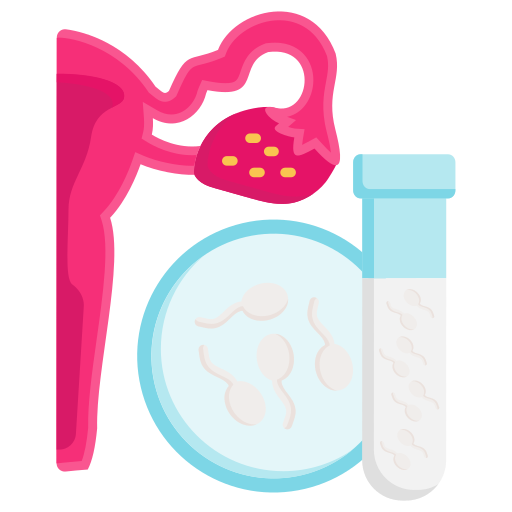
Donor egg IVF is a fertility treatment where eggs are collected from a healthy young donor and fertilized with sperm in a laboratory. The resulting embryo is then transferred into the uterus of the intended mother.
Although the egg comes from a donor, the intended mother carries the pregnancy, experiences childbirth, and forms the physical connection throughout pregnancy. This treatment provides an opportunity for women with poor egg quality or premature ovarian insufficiency to become mothers.
One of the biggest advantages of donor egg IVF is that success largely depends on the age and quality of the donor’s eggs rather than the recipient’s age. This is why success rates over 40 with donor eggs are generally much higher than IVF using a woman’s own eggs after 40.
Women between 40 and 45 years often experience considerably improved pregnancy outcomes with donor eggs because the embryos are created using eggs from younger, healthy donors. Many fertility centers report pregnancy rates between 55% and 70% per embryo transfer when donor eggs are used, although actual success varies depending on several medical and lifestyle factors.
The health of the uterus, embryo quality, sperm quality, existing medical conditions, and overall reproductive health all contribute to the final outcome. Individual evaluation remains essential before estimating treatment success.
Donor egg IVF is usually recommended for women whose own eggs have a very low chance of producing a healthy pregnancy. This option may be suitable for women over 40 with diminished ovarian reserve, repeated unsuccessful IVF cycles, premature ovarian failure, poor egg quality, or genetic disorders that could be passed on to a child.
Some women also choose donor eggs after multiple miscarriages related to chromosomal abnormalities. In such situations, donor egg IVF may significantly improve the possibility of achieving a healthy pregnancy.
Although donor egg IVF offers encouraging pregnancy rates, successful treatment still depends on several important factors.
A healthy uterus is essential for embryo implantation. Before treatment, ultrasound scans and other investigations are performed to ensure the uterus is capable of supporting pregnancy.
The quality of embryos developed in the laboratory has a direct impact on implantation and pregnancy. Modern IVF laboratories use advanced techniques to monitor embryo development and select healthy embryos for transfer.
Healthy sperm contributes equally to embryo development. If sperm quality is compromised, additional laboratory procedures such as ICSI may be recommended.
Conditions like diabetes, thyroid disorders, obesity, uncontrolled hypertension, or uterine abnormalities can influence pregnancy outcomes. Managing these conditions before treatment improves the chances of success.
Maintaining a healthy body weight, avoiding smoking and alcohol, eating a balanced diet, exercising moderately, and following prescribed medications can positively influence IVF outcomes.
The treatment begins with selecting a medically screened egg donor who meets the required health and fertility criteria. The donor undergoes ovarian stimulation to produce multiple mature eggs.
Once the eggs are retrieved, they are fertilised with sperm from the intended father or donor sperm in the IVF laboratory. The embryos are carefully monitored for several days before selecting the healthiest embryo for transfer.
Meanwhile, the recipient’s uterus is prepared with hormone medications to create a receptive environment for implantation. The embryo transfer procedure is simple, minimally invasive, and usually does not require hospitalisation.
After approximately two weeks, a blood pregnancy test confirms whether implantation has been successful.
Deciding to use donor eggs can be an emotional journey for many couples. It is natural to experience mixed feelings during the decision-making process. Fertility counseling helps intended parents discuss concerns, expectations, and emotional readiness before beginning treatment.
Many parents eventually focus on the opportunity to experience pregnancy, childbirth, and raising their child rather than the source of the egg. Professional counselling often provides reassurance throughout this important stage.
Many women over 40 successfully complete healthy pregnancies through donor egg IVF. However, pregnancies at an advanced maternal age require careful monitoring because the risk of gestational diabetes, high blood pressure, and pregnancy-related complications naturally increases with age.
Regular antenatal check-ups, proper nutrition, routine investigations, and timely medical care help support a healthy pregnancy. Close coordination between fertility specialists and obstetricians ensures appropriate monitoring from conception until delivery.
Donor egg IVF provides several benefits for women facing age-related infertility. The treatment offers significantly higher pregnancy rates compared to IVF with self-eggs after 40, lowers the risk of chromosomal abnormalities associated with aging eggs, and provides an opportunity to experience pregnancy and childbirth. It also becomes a suitable option for women with premature ovarian failure, poor ovarian reserve, or repeated IVF failures.
Because donor eggs are obtained from carefully screened young donors, embryo quality is often better, increasing the possibility of successful implantation and ongoing pregnancy.
Selecting an experienced fertility centre plays an important role in treatment outcomes. A qualified And fertility team, advanced embryology laboratory, strict donor screening protocols & transparent treatment planning, and personalized patient care all contribute to better clinical results.
At Lifeline IVF, every treatment plan is developed after a complete fertility evaluation, ensuring that patients receive recommendations suited to their medical condition and reproductive goals.
Understanding IVF side effects can help reduce concerns and prepare you for the treatment journey. While mild symptoms like bloating, tiredness, mood changes, or temporary discomfort may happen, they are usually manageable with proper guidance.
At Life Line Fertility & IVF Center, patients receive expert fertility care, advanced treatment support, and compassionate guidance to help them feel supported throughout their IVF journey.
IVF success rates over 40 with donor eggs are generally higher than IVF using a woman’s own eggs. Success depends on factors such as embryo quality, uterine health, sperm quality, and overall medical condition.
Donor eggs are often recommended because egg quality and ovarian reserve naturally decline with age. Using eggs from a young, healthy donor can improve the chances of fertilization, implantation, and a successful pregnancy.
Yes, many women over 40 have healthy pregnancies with donor eggs. Regular prenatal care, proper medical monitoring, and a healthy uterus play important roles in achieving a successful outcome.
Success is influenced by uterine health, embryo quality, sperm quality, the recipient’s overall health, lifestyle habits, and the expertise of the fertility clinic.
Yes, donor egg IVF may be a suitable option for women who have experienced repeated IVF failures due to poor egg quality or diminished ovarian reserve, as it can significantly improve the chances of pregnancy.
Ready to take the next step? Let’s begin your journey to parenthood together.

Shivaji Rd, Old Panvel, Panvel, Navi Mumbai, Maharashtra 410206
B 310 Third Floor, The Pacific, Plot No 229, Block G, Sector 13, Kharghar, Navi Mumbai, Maharashtra 410210
Meena 3rd Floor, Shanti Center Building,
Office no 31, Sector 17,
Vashi, Maharashtra 400703
You will receive a call from our hospital within 30 Minutes