Donor Egg IVF: Complete Guide to Process, Success Rates, and Cost
When couples struggle to get pregnant, it can be emotionally difficult and confusing. Sometimes, the main issue is not the uterus or sperm, but the quality of the woman’s eggs. In such cases, doctors may suggest donor egg IVF.
Donor egg IVF is a proven fertility treatment that helps women become mothers even when their own eggs cannot be used. This blog explains donor egg IVF in a simple, step-by-step way, covering how it works, who needs it, success rates, cost, and important considerations.
What Is Donor Egg IVF?
Donor egg IVF is a type of IVF treatment where eggs from a healthy donor are used instead of the woman’s own eggs. The donor eggs are fertilized with sperm in a laboratory, and the resulting embryo is transferred into the uterus of the woman who wants to become pregnant.
In donor egg IVF:
- The donor provides eggs
- The recipient carries the pregnancy
- The baby grows in the recipient’s uterus
This treatment allows many women to experience pregnancy and childbirth.
How Does Donor Egg IVF Work?
Donor egg IVF works in a planned and controlled manner:
- A healthy egg donor is selected
- Donor eggs are fertilized with sperm
- Embryos are created in the lab
- One healthy embryo is transferred into the uterus
Even though the egg comes from a donor, the woman carrying the pregnancy plays a vital role in the baby’s growth and development.
Difference Between Own Egg IVF and Donor Egg IVF
The main difference is the source of the eggs.
- Own egg IVF: Woman’s own eggs are used
- Donor egg IVF: Eggs come from a donor
Donor egg IVF is usually chosen when a woman’s own eggs cannot result in a healthy pregnancy.
Who Should Consider Donor Egg IVF?
Donor egg IVF is recommended in specific medical situations.
Women with Low or Poor Egg Quality
Some women have eggs that:
- Do not fertilize properly
- Create poor-quality embryos
- Result in repeated IVF failure
In such cases, donor egg IVF offers a better chance of pregnancy.
- Do not fertilize properly
Advanced Maternal Age and Early Menopause
As age increases, egg quality naturally decreases. Women who:
- Are above 40 years
- Have early menopause
- Have very low ovarian reserve
may benefit greatly from donor egg IVF.
Genetic or Repeated IVF Failure Cases
Donor egg IVF may be advised if:
- Genetic disorders can be passed on
- Multiple IVF cycles have failed
- Embryos fail to develop
Using donor eggs can improve outcomes significantly.
Donor Egg IVF Process: Step-by-Step
The donor egg IVF process is carefully planned to ensure safety and success.
Donor Selection and Screening
Egg donors are thoroughly screened for:
- Physical health
- Genetic conditions
- Infectious diseases
- Mental well-being
Only healthy donors are selected to ensure the best outcomes.
Synchronization of Donor and Recipient Cycles
The donor and recipient cycles are synchronized using medications so that:
- Eggs are ready at the right time
- The uterus is prepared for embryo transfer
This step is very important for implantation.
Egg Retrieval and Fertilization
- Eggs are collected from the donor
- Sperm is collected from the partner or donor
- Fertilization happens in the lab
This process is painless for the recipient.
- Eggs are collected from the donor
Embryo Development and Transfer
- Embryos are grown for a few days
- The healthiest embryo is selected
- Embryo is transferred into the uterus
The transfer procedure is simple and usually painless.
- Embryos are grown for a few days
Pregnancy Test and Follow-Up Care
- Pregnancy test is done after 10–14 days
- Regular follow-ups ensure healthy pregnancy
Doctors monitor hormone levels and fetal development carefully.
- Pregnancy test is done after 10–14 days
Donor Egg IVF Success Rates
- Egg retrieval sounds scary, but pain is well controlled.
Factors Affecting Donor Egg IVF Success
Success depends on:
- Quality of donor eggs
- Embryo quality
- Uterine health
- Medical expertise
Because donor eggs come from young, healthy donors, success rates are usually high.
- Quality of donor eggs
Age and Uterine Health of the Recipient
Unlike own-egg IVF, success does not depend heavily on the recipient’s age. A healthy uterus can carry a pregnancy successfully even at an older age.
Cost Considerations of Donor Egg IVF
Donor egg IVF costs more than regular IVF because it includes donor-related expenses.
What Is Included in Donor Egg IVF Cost?
Costs usually include:
- Donor screening
- Donor medications
- Egg retrieval
- Lab procedures
- Embryo transfer
- Donor screening
Factors That Influence Overall Cost
Cost may vary based on:
- Number of IVF cycles
- Medication needs
- Use of frozen embryos
- Additional tests
Doctors explain all costs clearly before treatment begins.
- Number of IVF cycles
Advantages and Important Considerations of Donor Egg IVF
Advantages of Donor Egg IVF
Main benefits include:
- Higher pregnancy success
- Healthy embryo development
- Option for women with no viable eggs
- Ability to experience pregnancy
Emotional, Ethical, and Medical Considerations
Some couples may need time to:
- Accept donor conception
- Understand emotional aspects
- Discuss family and social concerns
Counselling helps couples feel confident and comfortable.
Risks and Limitations of Donor Egg IVF
Donor egg IVF is generally safe, but like all treatments, it has some considerations.
Medical Risks
Possible risks include:
- Medication side effects
- Pregnancy-related complications
- Multiple pregnancy if more than one embryo is transferred
Doctors take steps to minimize risks.
Emotional and Psychological Aspects
Some women may feel:
- Emotional confusion
- Anxiety about genetics
- Stress during treatment
Support and counselling help manage these feelings.
Why Choose Lifeline IVF Hospital?
Lifeline IVF Hospital is known for ethical, advanced, and patient-centric fertility care. The hospital offers experienced fertility specialists, modern IVF laboratories, strict donor screening protocols, and transparent treatment planning. Couples receive emotional support, clear guidance, and personalized care at every step of the donor egg IVF journey.
Conclusion
Donor egg IVF is a powerful fertility option for women who cannot conceive using their own eggs. It offers high success rates, medical safety, and the chance to experience pregnancy and motherhood.
With expert care, ethical practices, and compassionate support at Lifeline IVF Hospital, donor egg IVF becomes a hopeful and positive path toward parenthood.
FAQs
Is donor egg IVF safe for the baby?
Yes. Donor egg IVF is safe, and babies born through this method are healthy.
Will the child look like the mother?
The child may not share genetic traits, but the mother plays a major role in pregnancy and development.
What is the success rate of donor egg IVF?
Success rates are generally higher than regular IVF, especially in older women.
How long does the donor egg IVF process take?
The process usually takes a few weeks, depending on cycle planning.
Your Journey to Parenthood Starts With the Right Guidance
Speak to fertility specialists for clear answers on IVF, donor egg options, and treatment planning.
Ready to take the next step? Let’s begin your journey to parenthood together.

In Vitro Fertilization (IVF)
Intrauterine Insemination (IUI)
ICSI (Intracytoplasmic Sperm Injection)

Male Infertility Evaluation & Treatment
Female Infertility Solutions
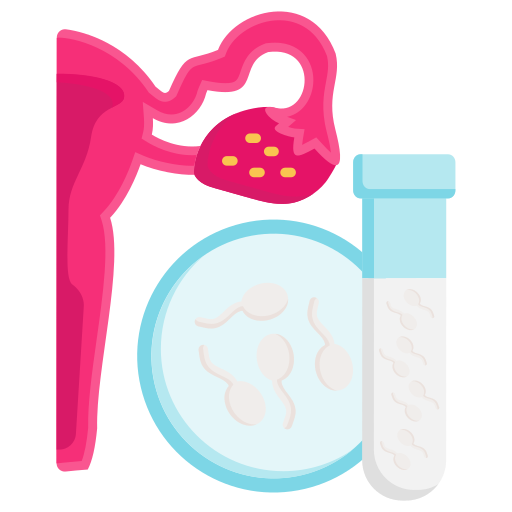
Donor Egg and Donor Sperm Programs
Embryo Freezing & Fertility Preservation

Recurrent IVF Failure Consultation
Lifeline IVF Clinic in Panvel
Shivaji Rd, Old Panvel, Panvel, Navi Mumbai, Maharashtra 410206
Lifeline IVF Clinic in Kharghar
B 310 Third Floor, The Pacific, Plot No 229, Block G, Sector 13, Kharghar, Navi Mumbai, Maharashtra 410210
Lifeline IVF Clinic in Vashi
Meena 3rd Floor, Shanti Center Building,
Office no 31, Sector 17,
Vashi, Maharashtra 400703