
PICSI IVF Treatment: Benefits, Process & Success Rates Explained
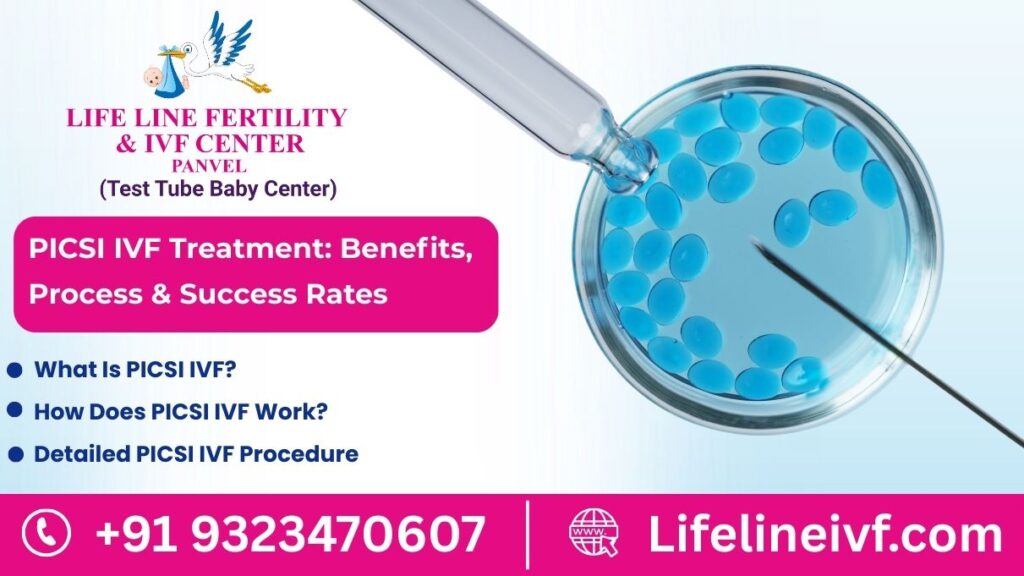
Blog PICSI IVF: Advanced Sperm Selection Technique in Fertility Treatment Infertility can be difficult for couples and families, especially when pregnancy does not happen even after trying for a long time. Sometimes the quality of the sperm is the problem, not the egg. PICSI IVF is a cutting-edge fertility method that increases the likelihood of successful fertilisation and pregnancy by choosing healthier and more mature sperm. What Is PICSI IVF? PICSI IVF stands for Physiological Intracytoplasmic Sperm Injection. It is an advanced version of the ICSI technique used in IVF treatment. In conventional IVF or ICSI, sperm are selected mainly based on their appearance and movement. However, some sperm may look normal but still carry DNA damage. PICSI IVF helps select sperm that are naturally mature and genetically healthier. How Does PICSI IVF Work? The natural material that surrounds a woman’s egg is called hyaluronic acid. It can only bind to mature, healthy sperm during spontaneous conception. Sperm that adhere to hyaluronic acid are chosen for PICSI IVF because they are more likely to have high-quality DNA. Hyaluronic Acid’s Function The natural material that surrounds a woman’s egg is called hyaluronic acid. It can only bind to mature, healthy sperm during spontaneous conception. Sperm that adhere to hyaluronic acid are chosen for PICSI IVF because they are more likely to have high-quality DNA. Detailed PICSI IVF Procedure Standard IVF methods are used to extract eggs from the female partner. A sample of the male partner’s semen is given.. A special PICSI dish coated with hyaluronic acid is prepared. Only sperm that bind naturally to the hyaluronic acid are selected. The selected sperm is injected into the egg. Fertilized eggs are monitored for embryo development. A healthy embryo is transferred into the uterus Who Should Consider PICSI IVF? PICSI IVF is usually recommended for couples facing male fertility issues or repeated IVF failures. PICSI IVF may be suitable if: The male partner has poor sperm quality High sperm DNA fragmentation is present Previous IVF or ICSI cycles have failed Poor embryo quality was seen earlier Recurrent miscarriages have occurred A fertility specialist decides whether PICSI IVF is appropriate after proper evaluation. Struggling with Male Infertility or Failed IVF? Explore PICSI IVF for Better Success Book An Appointment Benefits of Choosing PICSI IVF PICSI IVF offers several advantages in selected fertility cases. Selection of mature and healthy spermImproved embryo quality Reduced sperm DNA damage Better implantation potential Lower risk of miscarriage Mimics natural sperm selection Factors to Consider Before Choosing PICSI IVF Before choosing PICSI IVF, couples should understand the following points: It may cost slightly more than standard ICSI It is mainly helpful in sperm-related infertility Success depends on egg quality and age Requires an advanced IVF laboratory Should be done only on a doctor’s recommendation Success Rates of PICSI IVF PICSI IVF does not guarantee pregnancy, but it can improve outcomes in specific cases. Success depends on: Age of the woman Quality of eggs and sperm Uterine health Overall medical history In cases of male infertility, PICSI IVF may lead to better fertilization and embryo development compared to standard techniques. Potential Risks and Limitations of PICSI IVF PICSI IVF is safe but has some limitations: Not useful if infertility is not related to sperm quality Slightly higher treatment cost Requires skilled embryologists Pregnancy cannot be guaranteed There is no evidence that PICSI IVF increases risks to the baby. Is PICSI IVF Right for You? PICSI IVF may be right for you if: You have had failed IVF attempts Sperm quality issues are present Your doctor recommends advanced sperm selection You want a more natural fertilization approach A fertility specialist can guide you based on your medical condition. Why Choose Lifeline IVF Hospital? Lifeline IVF Hospital offers advanced fertility care with a strong patient-centered approach, ensuring every couple receives compassionate and personalized treatment. The hospital is supported by experienced fertility specialists and state-of-the-art IVF laboratory facilities that meet international standards. Each patient is given a customized treatment plan based on their medical history and fertility needs, with complete transparency and ethical practices at every stage of care. Lifeline IVF Hospital also has proven expertise in advanced fertility techniques, including PICSI IVF, helping couples achieve better outcomes with confidence and trust. Conclusion PICSI IVF is an advanced sperm selection technique that helps improve fertilization and embryo quality in certain infertility cases, especially those related to male factors. When recommended by a fertility expert, it can significantly improve the chances of pregnancy. With expert guidance and advanced fertility care at Lifeline IVF Hospital, couples can take a confident step toward parenthood. FAQs Is PICSI IVF different from ICSI? Yes, PICSI IVF selects sperm using hyaluronic acid, while ICSI selects sperm mainly based on appearance. Is PICSI IVF safe? Yes, PICSI IVF is safe and widely used in fertility treatment. Does PICSI IVF increase pregnancy chances? It may improve pregnancy chances in cases related to poor sperm quality. Who decides if PICSI IVF is needed? A fertility specialist makes this decision after reviewing fertility tests and medical history. Is PICSI IVF painful? No, PICSI IVF is performed in the laboratory and does not cause extra pain. Yes, PICSI IVF selects sperm using hyaluronic acid, while ICSI selects sperm mainly based on appearance. Yes, PICSI IVF is safe and widely used in fertility treatment. It may improve pregnancy chances in cases related to poor sperm quality. A fertility specialist makes this decision after reviewing fertility tests and medical history. No, PICSI IVF is performed in the laboratory and does not cause extra pain. Take the First Step Toward Safe & Ethical Surrogacy Struggling with Male Infertility or Failed IVF? Discover How PICSI IVF Can Improve Success – Book a Consultation Today Book An Appointment
MESA Meaning in Hindi: मेसा प्रक्रिया क्या है और क्यों की जाती है
Blog MESA Meaning in Hindi: मेसा क्या होता है? मेसा की परिभाषा MESA एक सुनियोजित सर्जिकल प्रक्रिया है जिसे प्रशिक्षित विशेषज्ञ द्वारा किया जाता है। यह आमतौर पर दर्द रहित होती है क्योंकि इसे एनेस्थीसिया के तहत किया जाता है। हालांकि, कोई भी निर्णय लेने से पहले अपने प्रजनन विशेषज्ञ से परामर्श करना बहुत महत्वपूर्ण है। मेसा का पूरा नाम क्या है? MESA (माइक्रोसर्जिकल एपिडिडायमल स्पर्म एस्पिरेशन) एक शल्य चिकित्सा प्रक्रिया है जो एपिडिडायमिस से शुक्राणु निकालने में सहायक होती है। एपिडिडायमिस एक कुंडलित नली होती है जहाँ शुक्राणु संग्रहित होते हैं। यह प्रक्रिया पुरुष बांझपन से पीड़ित लोगों के लिए मददगार साबित होती है। MESA एक ऐसी तकनीक है जिसने कई पुरुषों को जैविक पिता बनने में मदद की है। हालांकि, इस तकनीक के बारे में पूरी जानकारी होना और सबसे उपयुक्त तकनीक का चुनाव करना बेहद महत्वपूर्ण है। मेसा का हिंदी अर्थ MESA (माइक्रोसर्जिकल एपिडिडायमल स्पर्म एस्पिरेशन) एक ऐसी प्रक्रिया है जिसका उपयोग एपिडिडायमिस से सीधे शुक्राणु एकत्र करने के लिए किया जाता है। एपिडिडायमिस अंडकोष के पीछे स्थित एक छोटी नली होती है जहाँ शुक्राणु संग्रहित होते हैं। यह प्रक्रिया सही और सुरक्षित तरीके से हो, यह सुनिश्चित करने के लिए माइक्रोस्कोप की सहायता से की जाती है। मेसा किस मेडिकल प्रक्रिया से संबंधित है? यह एक मेडिकल सर्जिकल प्रक्रिया है, जो मुख्यतः पुरुष बांझपन (Male Infertility) के इलाज से संबंधित होती है। मेसा प्रक्रिया क्या होती है? मेसा प्रक्रिया का उद्देश्य मेसा प्रक्रिया का मुख्य उद्देश्य पुरुष बांझपन की एक विशेष समस्या का समाधान करना है, जिसमें पुरुष के शरीर में शुक्राणु बनते तो हैं, लेकिन वे प्राकृतिक रूप से वीर्य में नहीं पहुँच पाते। पुरुष प्रजनन में मेसा की भूमिका MESA प्रक्रिया एपिडिडिमिस से सीधे शुक्राणु निकालने में मदद करती है, जिससे उन पुरुषों में भी शुक्राणु उपलब्ध हो जाते हैं, जिनके वीर्य में एक भी शुक्राणु नहीं पाया जाता। जिन दंपतियों के लिए प्राकृतिक गर्भधारण संभव नहीं होता, उनके लिए MESA जैविक माता-पिता बनने का अवसर प्रदान करती है। मेसा और पुरुष बांझपन का संबंध पुरुष बांझपन के कुछ मामलों में, शुक्राणु उत्पन्न तो होते हैं लेकिन प्रजनन पथ में रुकावट या अवरोध के कारण प्राकृतिक रूप से स्खलित नहीं हो पाते। MESA व्यवहार्य शुक्राणुओं को निकालकर सहायक प्रजनन तकनीकों में उपयोग करने का समाधान प्रदान करता है। मेसा प्रक्रिया किन लोगों के लिए की जाती है? ऑब्स्ट्रक्टिव एजूस्पर्मिया के मामले वीर्यपात की समस्या (एस्पर्मिया), वीर्य में शुक्राणुओं की संख्या शून्य होना (एज़ोस्पर्मिया), शुक्राणुओं की कम संख्या/ओलिगोस्पर्मिया, वीर्य में शुक्राणुओं की कम संख्या, शुक्राणुओं की कम संख्या बांझपन का कारण बन सकती है। सर्जरी या जन्मजात कारणों से शुक्राणु अवरोध यदि वीर्य में शुक्राणुओं की संख्या अधिक होने से कोई लाभ नहीं होता है, तो शुक्राणुओं की गति और प्रवाह अच्छा होना चाहिए। तभी शुक्राणु और अंडाणु का निषेचन हो सकता है। जब वीर्य की मात्रा, शुक्राणुओं की संख्या और संरचना सामान्य हो, लेकिन सभी शुक्राणु गतिहीन (एस्थेनोजोस्पर्मिया) हों, यानी एक ही स्थान पर कंपन करते हों, तो ऐसे शुक्राणु मादा अंडाणु तक नहीं पहुंच पाते। इससे बांझपन की समस्या उत्पन्न होती है। इसे ‘इमोटाइल सिलिया सिंड्रोम’ कहते हैं। आईवीएफ की आवश्यकता वाले मरीज जहाँ IVF या विशेष रूप से ICSI के लिए सीमित संख्या में शुक्राणुओं की आवश्यकता होती है और उन्हें शल्य प्रक्रिया द्वारा प्राप्त करना जरूरी होता है। MESA प्रक्रिया से जुड़ी सही जानकारी चाहिए? हमारे फर्टिलिटी विशेषज्ञों से बात करें और आज ही स्पष्ट मार्गदर्शन पाएं। Book An Appointment Success Rate of IVF IVF generally has higher success rates than IUI. On average: 40–60% success per cycle (age-dependent) Higher success with good embryo quality मेसा प्रक्रिया कैसे की जाती है? मेसा प्रक्रिया का उद्देश्य मेसा प्रक्रिया का मुख्य उद्देश्य पुरुष बांझपन की एक विशेष समस्या का समाधान करना है, जिसमें पुरुष के शरीर में शुक्राणु बनते तो हैं, लेकिन वे प्राकृतिक रूप से वीर्य में नहीं पहुँच पाते। पुरुष प्रजनन में मेसा की भूमिका MESA प्रक्रिया एपिडिडिमिस से सीधे शुक्राणु निकालने में मदद करती है, जिससे उन पुरुषों में भी शुक्राणु उपलब्ध हो जाते हैं, जिनके वीर्य में एक भी शुक्राणु नहीं पाया जाता। जिन दंपतियों के लिए प्राकृतिक गर्भधारण संभव नहीं होता, उनके लिए MESA जैविक माता-पिता बनने का अवसर प्रदान करती है। मेसा और पुरुष बांझपन का संबंध पुरुष बांझपन के कुछ मामलों में, शुक्राणु उत्पन्न तो होते हैं लेकिन प्रजनन पथ में रुकावट या अवरोध के कारण प्राकृतिक रूप से स्खलित नहीं हो पाते। MESA व्यवहार्य शुक्राणुओं को निकालकर सहायक प्रजनन तकनीकों में उपयोग करने का समाधान प्रदान करता है। मेसा प्रक्रिया किन लोगों के लिए की जाती है? ऑब्स्ट्रक्टिव एजूस्पर्मिया के मामले वीर्यपात की समस्या (एस्पर्मिया), वीर्य में शुक्राणुओं की संख्या शून्य होना (एज़ोस्पर्मिया), शुक्राणुओं की कम संख्या/ओलिगोस्पर्मिया, वीर्य में शुक्राणुओं की कम संख्या, शुक्राणुओं की कम संख्या बांझपन का कारण बन सकती है। सर्जरी या जन्मजात कारणों से शुक्राणु अवरोध यदि वीर्य में शुक्राणुओं की संख्या अधिक होने से कोई लाभ नहीं होता है, तो शुक्राणुओं की गति और प्रवाह अच्छा होना चाहिए। तभी शुक्राणु और अंडाणु का निषेचन हो सकता है। जब वीर्य की मात्रा, शुक्राणुओं की संख्या और संरचना सामान्य हो, लेकिन सभी शुक्राणु गतिहीन (एस्थेनोजोस्पर्मिया) हों, यानी एक ही स्थान पर कंपन करते हों, तो ऐसे शुक्राणु मादा अंडाणु तक नहीं पहुंच पाते। इससे बांझपन की समस्या उत्पन्न होती है। इसे ‘इमोटाइल सिलिया सिंड्रोम’ कहते हैं। सर्जरी या जन्मजात कारणों से शुक्राणु अवरोध यदि वीर्य में शुक्राणुओं की संख्या अधिक होने से कोई लाभ नहीं होता है, तो शुक्राणुओं की गति और प्रवाह अच्छा होना चाहिए। तभी शुक्राणु और अंडाणु का निषेचन हो सकता है। जब वीर्य की मात्रा, शुक्राणुओं की संख्या और संरचना सामान्य हो, लेकिन सभी शुक्राणु गतिहीन (एस्थेनोजोस्पर्मिया) हों, यानी एक ही स्थान पर कंपन करते हों, तो ऐसे शुक्राणु मादा अंडाणु तक नहीं पहुंच पाते। इससे बांझपन की समस्या उत्पन्न होती है। इसे ‘इमोटाइल सिलिया सिंड्रोम’ कहते हैं। आईवीएफ की आवश्यकता वाले मरीज जहाँ IVF या विशेष रूप से ICSI के लिए सीमित संख्या में शुक्राणुओं की आवश्यकता होती है और उन्हें शल्य प्रक्रिया द्वारा प्राप्त करना जरूरी होता है। मेसा प्रक्रिया कैसे की जाती है? सर्जिकल प्रक्रिया की चरणबद्ध जानकारी MESA को माइक्रो सर्जिकल तकनीकों का
7 Best Foods to Increase Fertility in Male Naturally
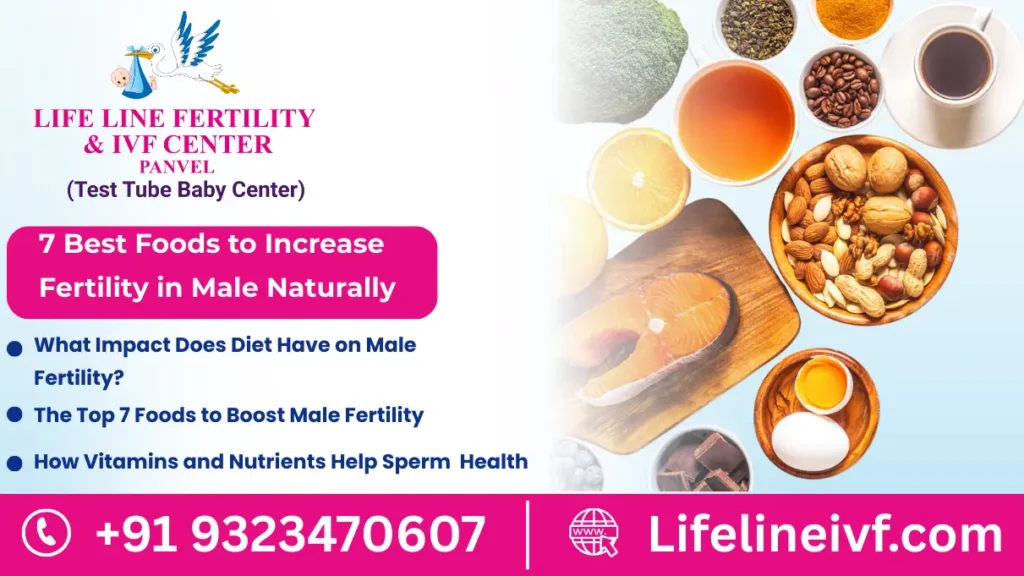
7 Best Foods to Increase Fertility in Male Male fertility is an important part of pregnancy, but it is often ignored. Many people think fertility problems only affect women, but in reality, male fertility issues contribute to nearly half of infertility cases. One major reason for poor male fertility is unhealthy diet habits. What men eat every day affects sperm count, sperm movement, sperm shape, and even sperm DNA. Eating the right foods can improve fertility naturally, while unhealthy foods can slowly reduce sperm quality. This blog explains the 7 best foods to increase fertility in male, how nutrients support sperm health, and when medical help is needed. The information is written in very simple words, so anyone can easily understand it. What Impact Does Diet Have on Male Fertility? Sperm production and health are directly impacted by diet. The body continuously produces sperm, which require a healthy diet to develop into robust, active organisms. Sperm quality is harmed by poor food because it causes vitamin deficiencies, hormonal imbalances, and increased stress. A nutritious diet is beneficial: Boost the number of sperm Boost the motility of sperm Encourage the natural morphology of sperm Preserve the DNA of sperm Male hormone balance For this reason, doctors highly advise men who intend to become fathers to consume a nutritious diet. The Top 7 Foods to Boost Male Fertility According to experts in fertility and nutrition science, the top seven foods for boosting male fertility are listed below. Fatty Fish (Sardines, Mackerel, and Salmon) Omega-3 fatty acids, which are vital for the health of sperm, are abundant in fatty fish. Omega-3 aids in the formation of healthy sperm membranes and enhances sperm motility. Advantages increases the motility of sperm lessens inflammation promotes hormone balance Male fertility benefits from eating fatty fish two to three times per week. Leafy Greens (Kale, Swiss Chard and Spinach) Iron, folate, and antioxidants abound in leafy greens. Folate is essential for the synthesis of sperm DNA. Advantages increases the number of sperm minimises damage to DNA promotes appropriate blood flow Consuming leafy greens on a daily basis enhances reproductive health in general. Berries (raspberries, blueberries, and strawberries) Antioxidants found in berries shield sperm from harm brought on by free radicals. Advantages enhances the quality of sperm shields the DNA of sperm lessens oxidative damage One of the best natural meals for fertility is fresh berries. Nuts and Seeds (Chia, Pumpkin, and Walnuts) Zinc, selenium, good fats, and antioxidants found in nuts and seeds are vital for the generation of sperm. Advantages raises the number of sperm enhances the form of sperm maintains levels of testosterone To boost fertility, a few handful every day is sufficient. Whole Eggs, Particularly the Yolks In addition to being a full protein supply, eggs also include choline, vitamin D, and vitamin B12—all of which are critical for the health of sperm. Advantages promotes the formation of sperm increases the strength of sperm supplies vital nutrients Egg yolks are very helpful, so don’t cut them out entirely. Legumes (Black Beans, Chickpeas, and Lentils) Iron, folate, and plant protein are abundant in legumes. They promote sperm production and hormone homeostasis. Advantages supports the number of sperm increases vitality aids in keeping a healthy weight For vegans, legumes are a great source of fertility. Avocados Antioxidants, vitamin E, and good fats found in avocados shield sperm from harm. Advantages enhances the movement of sperm promotes the synthesis of hormones lessens inflammation One of the best meals for natural conception is avocados. How Vitamins and Nutrients Help Sperm Health Certain vitamins and minerals are essential for healthy sperm development. Without them, sperm quality declines. Role of Zinc, Selenium, and Omega-3 Zinc supports testosterone production and sperm count Selenium improves sperm movement Omega-3 improves sperm structure and flexibility Deficiency in these nutrients is commonly linked to male infertility. Importance of Antioxidants for Sperm Quality Antioxidants protect sperm from oxidative stress, which damages DNA and reduces fertility. Key antioxidants include: Vitamin C Vitamin E Beta-carotene Foods rich in antioxidants help produce stronger and healthier sperm. Foods That Kill Sperm and Lower Fertility While healthy foods help fertility, some foods harm sperm health and should be avoided. These include: Processed meats Trans fats Sugary drinks Alcohol Excess caffeine Junk and fast foods These foods reduce testosterone, damage sperm DNA, and lower sperm count over time. More Fertility Nutrition Tips for Men In addition to eating the 7 best foods to increase fertility in male, men should follow these tips: Drink enough water Avoid smoking Limit alcohol Maintain healthy weight Avoid excessive junk food Eat fresh, home-cooked meals Small daily habits make a big difference over time. When Should Men Seek Medical Help for Fertility Issues? Men should consult a fertility specialist if: Pregnancy has not occurred after 12 months Sperm count is low Repeated IVF failures occur There are erection or ejaculation issues History of testicular injury or surgery Early diagnosis increases treatment success. Why Choose Lifeline IVF Hospital? Lifeline IVF Hospital works in collaboration with advanced fertility centers to support male fertility evaluation and care. The hospital offers experienced doctors, modern diagnostic facilities, and personalized guidance for fertility-related concerns. Patients receive ethical, transparent care along with lifestyle and nutrition counselling, helping them improve fertility naturally and medically. Conclusion Diet plays a powerful role in male fertility. Including the 7 best foods to increase fertility in male—such as fatty fish, leafy greens, berries, nuts, eggs, legumes, and avocados—can naturally improve sperm health. At the same time, avoiding unhealthy foods and following a balanced lifestyle is equally important. With the right nutrition, healthy habits, and expert guidance from Lifeline IVF Hospital, men can take confident steps toward improving fertility and achieving parenthood. Frequently Asked Questions (FAQS) Q1. Can food really improve male fertility? Yes, a healthy diet can significantly improve sperm quality over time. Q2. How long does it take for diet changes to show results? Sperm regeneration takes about 3 months, so improvements are gradual. Q3. Are supplements necessary
Donor Egg IVF: Process, Success Rates, and Cost Explained
Blog Donor Egg IVF: Complete Guide to Process, Success Rates, and Cost When couples struggle to get pregnant, it can be emotionally difficult and confusing. Sometimes, the main issue is not the uterus or sperm, but the quality of the woman’s eggs. In such cases, doctors may suggest donor egg IVF. Donor egg IVF is a proven fertility treatment that helps women become mothers even when their own eggs cannot be used. This blog explains donor egg IVF in a simple, step-by-step way, covering how it works, who needs it, success rates, cost, and important considerations. What Is Donor Egg IVF? Donor egg IVF is a type of IVF treatment where eggs from a healthy donor are used instead of the woman’s own eggs. The donor eggs are fertilized with sperm in a laboratory, and the resulting embryo is transferred into the uterus of the woman who wants to become pregnant. In donor egg IVF: The donor provides eggs The recipient carries the pregnancy The baby grows in the recipient’s uterus This treatment allows many women to experience pregnancy and childbirth. How Does Donor Egg IVF Work? Donor egg IVF works in a planned and controlled manner: A healthy egg donor is selected Donor eggs are fertilized with sperm Embryos are created in the lab One healthy embryo is transferred into the uterus Even though the egg comes from a donor, the woman carrying the pregnancy plays a vital role in the baby’s growth and development. Difference Between Own Egg IVF and Donor Egg IVF The main difference is the source of the eggs. Own egg IVF: Woman’s own eggs are used Donor egg IVF: Eggs come from a donor Donor egg IVF is usually chosen when a woman’s own eggs cannot result in a healthy pregnancy. Who Should Consider Donor Egg IVF? Donor egg IVF is recommended in specific medical situations. Women with Low or Poor Egg Quality Some women have eggs that: Do not fertilize properly Create poor-quality embryos Result in repeated IVF failure In such cases, donor egg IVF offers a better chance of pregnancy. Advanced Maternal Age and Early Menopause As age increases, egg quality naturally decreases. Women who: Are above 40 years Have early menopause Have very low ovarian reserve may benefit greatly from donor egg IVF. Genetic or Repeated IVF Failure Cases Donor egg IVF may be advised if: Genetic disorders can be passed on Multiple IVF cycles have failed Embryos fail to develop Using donor eggs can improve outcomes significantly. Donor Egg IVF Process: Step-by-Step The donor egg IVF process is carefully planned to ensure safety and success. Considering Donor Egg IVF? Get Expert Guidance on Process, Success & Cost Book An Appointment Donor Selection and Screening Egg donors are thoroughly screened for: Physical health Genetic conditions Infectious diseases Mental well-being Only healthy donors are selected to ensure the best outcomes. Synchronization of Donor and Recipient Cycles The donor and recipient cycles are synchronized using medications so that: Eggs are ready at the right time The uterus is prepared for embryo transfer This step is very important for implantation. Egg Retrieval and Fertilization Eggs are collected from the donor Sperm is collected from the partner or donor Fertilization happens in the lab This process is painless for the recipient. Embryo Development and Transfer Embryos are grown for a few days The healthiest embryo is selected Embryo is transferred into the uterus The transfer procedure is simple and usually painless. Pregnancy Test and Follow-Up Care Pregnancy test is done after 10–14 days Regular follow-ups ensure healthy pregnancy Doctors monitor hormone levels and fetal development carefully. Donor Egg IVF Success Rates Egg retrieval sounds scary, but pain is well controlled. Factors Affecting Donor Egg IVF Success Success depends on: Quality of donor eggs Embryo quality Uterine health Medical expertise Because donor eggs come from young, healthy donors, success rates are usually high. Age and Uterine Health of the Recipient Unlike own-egg IVF, success does not depend heavily on the recipient’s age. A healthy uterus can carry a pregnancy successfully even at an older age. Cost Considerations of Donor Egg IVF Donor egg IVF costs more than regular IVF because it includes donor-related expenses. What Is Included in Donor Egg IVF Cost? Costs usually include: Donor screening Donor medications Egg retrieval Lab procedures Embryo transfer Factors That Influence Overall Cost Cost may vary based on: Number of IVF cycles Medication needs Use of frozen embryos Additional tests Doctors explain all costs clearly before treatment begins. Advantages and Important Considerations of Donor Egg IVF Advantages of Donor Egg IVF Main benefits include: Higher pregnancy success Healthy embryo development Option for women with no viable eggs Ability to experience pregnancy Emotional, Ethical, and Medical Considerations Some couples may need time to: Accept donor conception Understand emotional aspects Discuss family and social concerns Counselling helps couples feel confident and comfortable. Risks and Limitations of Donor Egg IVF Donor egg IVF is generally safe, but like all treatments, it has some considerations. Medical Risks Possible risks include: Medication side effects Pregnancy-related complications Multiple pregnancy if more than one embryo is transferred Doctors take steps to minimize risks. Emotional and Psychological Aspects Some women may feel: Emotional confusion Anxiety about genetics Stress during treatment Support and counselling help manage these feelings. Why Choose Lifeline IVF Hospital? Lifeline IVF Hospital is known for ethical, advanced, and patient-centric fertility care. The hospital offers experienced fertility specialists, modern IVF laboratories, strict donor screening protocols, and transparent treatment planning. Couples receive emotional support, clear guidance, and personalized care at every step of the donor egg IVF journey. Conclusion Donor egg IVF is a powerful fertility option for women who cannot conceive using their own eggs. It offers high success rates, medical safety, and the chance to experience pregnancy and motherhood. With expert care, ethical practices, and compassionate support at Lifeline IVF Hospital, donor egg IVF becomes a hopeful and positive path
Male Fertility Foods to Avoid: Diet Mistakes That Lower Sperm Health

Male Fertility Foods to Avoid: Diet Mistakes That Lower Sperm Health Male fertility plays an important role in pregnancy, yet many people believe infertility is only related to women. In reality, male fertility problems contribute to nearly half of all infertility cases. One of the most common and preventable reasons for poor sperm health is an unhealthy diet. What a man eats every day directly affects his sperm count, movement, shape, and DNA quality. Certain foods can quietly reduce fertility without causing any visible symptoms. This blog highlights foods that are detrimental to male fertility, explains why they should be avoided, and helps men make better decisions for improved reproductive health. Even teenagers may comprehend how food affects fertility because this information is stated in plain language. The Impact of Diet on Male Fertility Diet is the body’s fuel. Unhealthy eating can harm sperm health in the same way that poor fuel might harm a car. A poor diet may result in: Low number of sperm Inadequate motility of sperm Unusual sperm form An imbalance of hormones An increase in sperm harm to DNA Sperm generation requires nutrients including zinc, selenium, antioxidants, good fats, and vitamins. Sperm quality gradually decreases when a diet high in processed foods, sugar, alcohol, and junk food is consumed. For this reason, when attempting to conceive, doctors highly advise avoiding specific meals. Foods to Avoid for Male Fertility The most popular male fertility foods that are bad for sperm health are listed below. Soy Goods Soy contains phytoestrogens, which act like female hormones in the body. Excess soy consumption may: Lower testosterone levels Reduce sperm concentration Disrupt hormonal balance Moderate soy intake is generally safe, but men trying to conceive should avoid excessive soy milk, tofu, and soy supplements. Meats Processed Examples include: Hot dogs Bacon Sausages Packaged cold cuts Processed meats contain: Preservatives Artificial chemicals High saturated fats Regular consumption is linked to lower sperm count and poor sperm quality. Fish High in Mercury Mercury damages sperm DNA and reduces fertility. Fish to limit or avoid: Shark Swordfish King mackerel Excess tuna Mercury accumulates in the body and negatively affects sperm production and motility. Sugary and Carbonated Drinks Includes: Soft drinks Energy drinks Sweetened beverages These drinks: Increase insulin resistance Cause hormonal imbalance Reduce sperm motility High sugar intake also leads to weight gain, which further lowers testosterone. Canned and Packaged Foods Canned foods often contain BPA (Bisphenol A), a chemical that interferes with male hormones. Packaged foods are usually: High in salt Low in nutrients Full of preservatives Long-term consumption may negatively affect sperm health and fertility. High-Fat Dairy Products Whole milk, cheese, butter, and cream contain high saturated fat. Excess intake may: Lower testosterone levels Affect sperm shape Increase inflammation Low-fat or moderate dairy intake is a safer option for fertility. Trans Fats Found in: Fried foods Bakery items Margarine Fast food Trans fats significantly: Reduce sperm count Increase abnormal sperm formation They are among the worst foods for male fertility. Alcohol Alcohol has a direct negative impact on male fertility. Excess consumption can: Reduce testosterone Decrease sperm count Cause erectile dysfunction Damage sperm DNA Men trying to conceive should limit or avoid alcohol completely. Why These Foods Harm Male Fertility These foods harm fertility because they: Increase oxidative stress Cause hormonal imbalance Damage sperm DNA Reduce testosterone production Increase body fat and inflammation Sperm cells are very delicate. Even small lifestyle mistakes over time can reduce fertility without noticeable symptoms. What Should Men Eat Instead for Better Fertility? Instead of harmful foods, men should focus on fertility-friendly nutrition. Healthy foods include: Fresh fruits and vegetables Nuts and seeds (walnuts, almonds) Whole grains Lean proteins (eggs, fish, chicken) Healthy fats (olive oil, avocado) Zinc-rich foods (pumpkin seeds, lentils) A balanced diet supports sperm production and improves overall reproductive health. Quick Tips to Improve Male Fertility Naturally Small daily habits can significantly improve fertility. Healthy Lifestyle Changes Quit smoking Reduce alcohol intake Avoid junk food Drink enough water Consistency is more important than perfection. Importance of Exercise and Sleep Regular exercise helps: Improve blood circulation Balance hormones Maintain healthy weight At least 7–8 hours of sleep daily is essential for testosterone production. Managing Stress and Weight High stress increases cortisol, which lowers testosterone. Helpful tips: Practice meditation or yoga Maintain a healthy BMI Take breaks from work Avoid late-night screen time Mental health is closely linked to fertility. When Should Men Consult a Doctor for Fertility Issues? Men should consult a fertility specialist if: Trying for pregnancy for over 12 months Low sperm count in reports Erectile or ejaculation issues History of testicular injury or surgery Repeated IVF failures Early diagnosis improves treatment success. Why Choose Kharghar Multispeciality Hospital? Kharghar Multispeciality Hospital works closely with trusted fertility centers like Lifeline IVF Hospital to provide complete support for male fertility evaluation and treatment. The hospital is known for its experienced doctors, advanced diagnostic facilities, and patient-focused approach. Men receive personalized fertility guidance along with ethical and transparent medical care. In addition to medical treatment, the hospital also emphasizes holistic support through lifestyle advice and diet counselling, ensuring patients receive both clinical and practical solutions to improve fertility health. Conclusion Diet has a powerful impact on male fertility. Avoiding unhealthy foods such as processed meats, alcohol, sugary drinks, trans fats, and high-mercury fish can significantly improve sperm health. Frequently Asked Questions (FAQs) on Male Fertility Diet Q1. Can diet alone improve male fertility? Diet plays a major role, but medical treatment may be needed in some cases. Q2. How long does diet take to improve sperm health? Sperm takes about 3 months to regenerate, so dietary changes show results gradually. Q3. How long does diet take to improve sperm health? Sperm takes about 3 months to regenerate, so dietary changes show results gradually. Q4. Should men take supplements for fertility? Only under doctor guidance, as excess supplements can be harmful. Diet plays a major role, but medical treatment may be needed in some cases.
Difference Between IUI and IVF: Which Fertility Treatment Is Right for You?
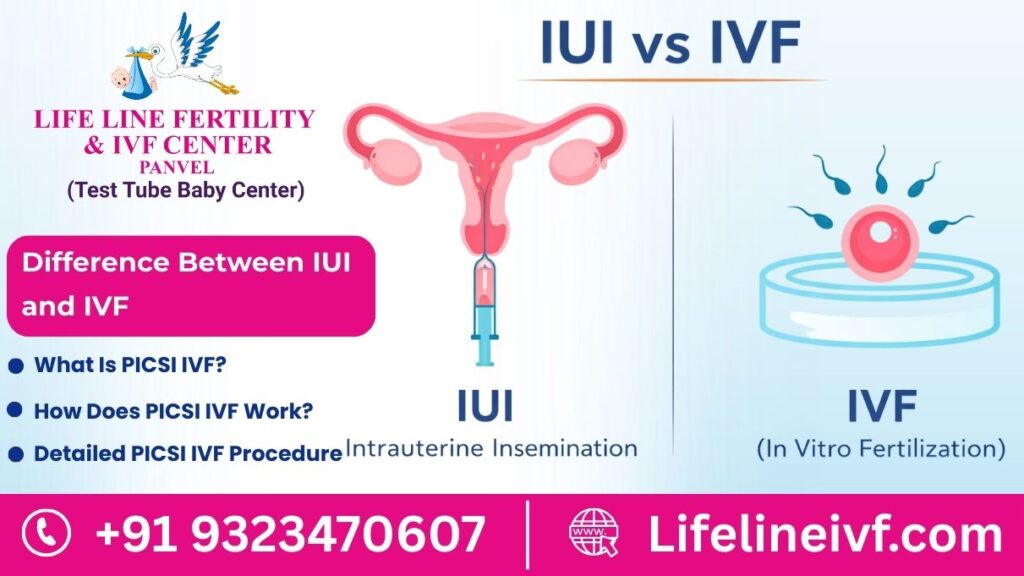
Blog Difference Between IUI and IVF: Which Fertility Treatment Is Right for You? IUI and IVF are two popular fertility therapies that couples who are having trouble becoming pregnant frequently learn about. This raises an often asked question: What distinguishes IUI from IVF, and which is superior? In terms of process, success rates, expense, and medical involvement, both therapies assist couples in becoming pregnant, although they differ greatly. Age, fertility issues, and medical history all play a role in selecting the best option. Anyone may readily comprehend the differences between IUI and IVF thanks to this blog’s clear, step-by-step explanation in straightforward language. Understanding the Basics of Fertility Treatments It’s critical to comprehend the true meanings of IUI and IVF before comparing the two therapies. What Is IUI? Intrauterine insemination is referred to as IUI. During ovulation, healthy sperm are inserted straight into the woman’s uterus as part of this fertility procedure. IUI aims to: Make it easier for sperm to reach the egg Boost the likelihood of fertilisation IUI is regarded as a straightforward and less intrusive kind of reproductive treatment. What Is IVF? In vitro fertilisation is referred to as IVF. This procedure involves taking the woman’s eggs and fertilising them with sperm in a lab. After that, the embryo is placed inside the uterus. IVF is a more sophisticated fertility treatment that is typically advised when other approaches are unsuccessful. What Is IUI (Intrauterine Insemination)? For couples with minor infertility issues, IUI is frequently recommended as the initial reproductive treatment. How Does IUI Work? The IUI procedure consists of: Observing ovulation Gathering and cleaning sperm Directly inserting sperm into the uterus The process is fast and typically painless. Who Is IUI Best Suited For? IUI is typically advised for: Mild infertility in men Inexplicable infertility Issues with cervical mucus Couples making a brief attempt Younger women who ovulate regularly benefit most from it. Success Rate of IUI Age and reproductive status have an impact on IUI success rates. 10–20% of cycles are successful on average. Greater achievement among women under 35 It might take several cycles. What Is IVF (In Vitro Fertilization)? IVF is a more advanced and controlled fertility treatment. How Does IVF Work Step by Step? IVF involves: Ovarian stimulation with medications Egg retrieval Fertilization in a lab Embryo development Embryo transfer into the uterus Each step is carefully monitored by fertility specialists. Who Is IVF Best Suited For? IVF is recommended for: Blocked fallopian tubes Severe male infertility Endometriosis Advanced maternal age Repeated IUI failure Worried About IVF Pain? Talk to Our Fertility Experts and Get Clear Guidance Today Book An Appointment Success Rate of IVF IVF generally has higher success rates than IUI. On average: 40–60% success per cycle (age-dependent) Higher success with good embryo quality What Are the Key Differences Between IUI and IVF? Understanding the difference between IUI and IVF helps couples make informed decisions. Difference in Procedure IUI: Sperm placed inside the uterus IVF: Fertilization happens outside the body Difference in Success Rates IUI: Lower success per cycle IVF: Higher success per cycle Difference in Cost IUI: Less expensive IVF: More costly due to advanced technology Difference in Time and Complexity IUI: Simple and quick IVF: Longer and more complex Difference in Medical Intervention IUI: Minimal medication IVF: Hormonal stimulation and procedures The Differences Between IUI and IVF at a Glance This section is ideal for a comparison table. IUI vs IVF – Treatment Comparison Summary IUI is simple, affordable, and less invasive IVF is advanced, controlled, and has higher success IUI is usually tried before IVF When to Choose IUI vs IVF? Choosing between IUI and IVF depends on medical factors. When Is IUI the Right Choice? Choose IUI if: You are under 35 Fertility issues are mild This is your first fertility treatment When Is IVF the Better Option? Choose IVF if: IUI has failed multiple times Fallopian tubes are blocked Male infertility is severe Woman’s age is above 35 IUI vs IVF: Which Is Better for You? There is no single “best” treatment for everyone. Why Choose Lifeline IVF Hospital? Lifeline IVF Hospital focuses on patient comfort, safety, and emotional care throughout the IVF journey. The hospital offers experienced fertility specialists, modern IVF technology, and gentle treatment protocols to minimize pain and stress. Each patient receives personalized care, clear explanations, and continuous support, making IVF treatment as comfortable and reassuring as possible. Conclusion So, is IVF painful? For most women, IVF is not very painful. With modern medical techniques, anesthesia, and expert care, discomfort is kept minimal. Understanding each step of IVF helps reduce fear and anxiety. With compassionate care and advanced treatment at Lifeline IVF Hospital, IVF becomes a safe, comfortable, and hopeful journey toward parenthood. FAQs Is IVF more painful than natural pregnancy? No. IVF pain is temporary and mild, while pregnancy discomfort lasts longer. Can IVF be done without pain? Most IVF procedures are painless or cause very little discomfort. How long does IVF pain last? Mild discomfort usually lasts only a few days. Does IVF pain affect success rates? No. Pain does not affect IVF success. No. IVF pain is temporary and mild, while pregnancy discomfort lasts longer. Most IVF procedures are painless or cause very little discomfort. Mild discomfort usually lasts only a few days. No. Pain does not affect IVF success. Take the First Step Toward a Comfortable IVF Journey Worried About IVF Pain? Talk to Our Fertility Experts and Get Clear Guidance Today Book An Appointment
PCOS kya hota hai? | पीसीओएस के लक्षण, कारण और इलाज
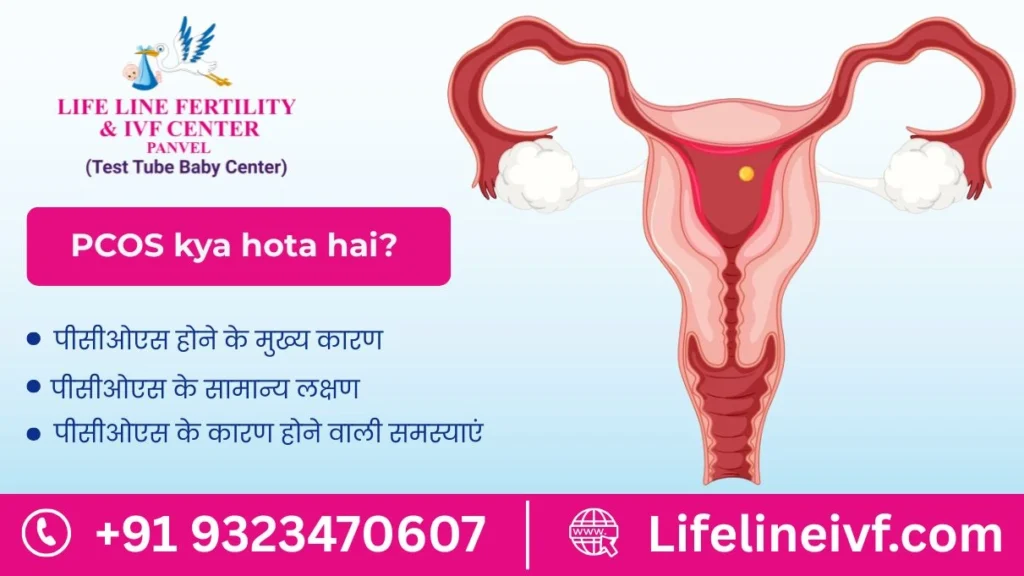
Blog PCOS kya hota hai? पीसीओएस क्या है? पीसीओएस (पॉलीसिस्टिक ओवरी सिंड्रोम) एक चयापचय संबंधी विकार है जो पूरे शरीर को प्रभावित करता है। इससे इंसुलिन प्रतिरोध, मधुमेह, गर्भधारण में कठिनाई और यहां तक कि हृदय रोग जैसी गंभीर जटिलताएं हो सकती हैं। पीसीओएस (पॉलीसिस्टिक ओवरी सिंड्रोम) की परिभाषा पीसीओएस एक हार्मोनल विकार है जो प्रजनन आयु की महिलाओं को प्रभावित करता है। इसमें अंडाशय पर कई छोटी-छोटी सिस्ट (इसीलिए इसे “पॉलीसिस्टिक” कहते हैं) बन जाती हैं, मासिक धर्म अनियमित हो जाता है और पुरुष हार्मोन (एंड्रोजन) का अधिक उत्पादन होता है। हार्मोनल असंतुलन के कारण कई तरह के लक्षण उत्पन्न हो सकते हैं जो शारीरिक और भावनात्मक दोनों तरह के स्वास्थ्य को प्रभावित करते हैं। यह समस्या महिलाओं में क्यों होती है? महिलाओं को आनुवंशिकता और हार्मोनल असंतुलन (विशेष रूप से उच्च एंड्रोजन) के कारण पीसीओएस की समस्या होती है और इंसुलिन प्रतिरोध, जिससे अनियमित ओव्यूलेशन और मुँहासे और अत्यधिक बालों जैसे विभिन्न लक्षण उत्पन्न होते हैं, साथ ही निम्न स्तर की सूजन और संभवतः पर्यावरणीय कारक भी भूमिका निभाते हैं, हालांकि इसका सटीक कारण अभी भी अज्ञात है। पीसीओएस और हार्मोनल असंतुलन का संबंध पीसीओएस (पॉलीसिस्टिक ओवरी सिंड्रोम) प्रजनन आयु की महिलाओं में होने वाला एक सामान्य हार्मोनल विकार है। उच्च एंड्रोजन (पुरुष हार्मोन) स्तर, अनियमित मासिक धर्म या मासिक धर्म का न आना जैसे लक्षण और अक्सर अंडाशय पर छोटी-छोटी सिस्ट बन जाती हैं, जिससे ओव्यूलेशन बाधित होता है और बांझपन हो जाता है। पीसीओएस होने के मुख्य कारण हार्मोनल असंतुलन पीसीओएस और पीसीओडी दोनों में मुख्य समस्या प्रजनन हार्मोन का असंतुलन है। इन स्थितियों से ग्रस्त महिलाओं में एंड्रोजन (पुरुष हार्मोन) का स्तर अधिक होता है, जो मासिक धर्म चक्र के दौरान अंडों के विकास और रिलीज में बाधा डाल सकता है। इससे अंडाशय में सिस्टिक संरचना बन सकती है । इंसुलिन रेजिस्टेंस इंसुलिन प्रतिरोध पीसीओएस के प्रमुख कारणों में से एक है। जब शरीर इंसुलिन के प्रति प्रतिरोधी हो जाता है, तो वह इसकी भरपाई के लिए अधिक इंसुलिन का उत्पादन करता है। इंसुलिन का उच्च स्तर अंडाशय को अधिक एंड्रोजन उत्पन्न करने के लिए उत्तेजित करता है, जिससे दोनों अंडाशय में पॉलीसिस्टिक ओवरी और वजन बढ़ना और मुंहासे जैसे अन्य लक्षण उत्पन्न होते हैं। अनुवांशिक कारण यदि आपकी माँ, बहन या परिवार की अन्य महिला सदस्यों को पीसीओएस या पीसीओडी है, तो आपको भी इसके होने की संभावना अधिक है। शोध से पता चलता है कि इन स्थितियों के विकास में आनुवंशिकी की महत्वपूर्ण भूमिका होती है। जीवनशैली और खानपान की भूमिका आहार और शारीरिक गतिविधि भी पीसीओएस या पीसीओडी के विकास को प्रभावित कर सकती है। प्रसंस्कृत खाद्य पदार्थों से भरपूर खराब आहार और गतिहीन जीवनशैली इंसुलिन प्रतिरोध को बढ़ा सकती है, जिससे लक्षण और भी गंभीर हो सकते हैं। पीसीओएस के सामान्य लक्षण अनियमित या रुक-रुक कर पीरियड्स पीसीओएस का एक प्रमुख लक्षण अनियमित मासिक धर्म चक्र है। इस स्थिति से पीड़ित महिलाओं को कम मासिक धर्म (ओलिगोमेनोरिया) हो सकता है या मासिक धर्म पूरी तरह बंद हो सकता है (अमेनोरिया)। ओव्यूलेशन की कमी से गर्भधारण में कठिनाई हो सकती है और अन्य हार्मोनल असंतुलन भी हो सकते हैं। वजन तेजी से बढ़ना पीसीओएस से पीड़ित कई महिलाओं को बिना किसी स्पष्ट कारण के वजन बढ़ने की समस्या होती है, खासकर पेट के आसपास। इसका कारण अक्सर इंसुलिन प्रतिरोध होता है, जिससे शरीर के लिए रक्त शर्करा को नियंत्रित करना और वसा को कुशलतापूर्वक संग्रहित करना मुश्किल हो जाता है। चेहरे और शरीर पर अनचाहे बाल एंड्रोजन का स्तर बढ़ने से हिर्सुटिज्म हो सकता है , एक ऐसी स्थिति जिसमें महिलाओं के चेहरे, छाती और पीठ जैसे क्षेत्रों पर अत्यधिक बाल उग आते हैं। पीसीओएस से पीड़ित कई महिलाओं के लिए यह सबसे परेशान करने वाले लक्षणों में से एक है। मुंहासे और तैलीय त्वचा जिन हार्मोनल असंतुलन के कारण हिरसुटिज्म होता है, वही असंतुलन लगातार मुंहासे और तैलीय त्वचा का कारण भी बन सकता है। इस प्रकार के मुंहासे अक्सर सामान्य दवाओं से ठीक नहीं होते और इन्हें ठीक करने के लिए हार्मोन थेरेपी की आवश्यकता हो सकती है। बालों का झड़ना पीसीओएस से पीड़ित महिलाओं में शरीर के कुछ हिस्सों में अत्यधिक बाल उग सकते हैं, वहीं उनके सिर के बाल पुरुषों में होने वाले गंजेपन की तरह झड़ भी सकते हैं। ऐसा इसलिए होता है क्योंकि एंड्रोजन हार्मोन का उच्च स्तर बालों के रोम छिद्रों को सिकोड़ देता है, जिससे बाल पतले हो जाते हैं। गर्भधारण में कठिनाई पीसीओएस से पीड़ित महिलाओं की सबसे आम चिंताओं में से एक गर्भधारण में कठिनाई है। अनियमित या अनुपस्थित ओव्यूलेशन के कारण गर्भधारण करना अधिक चुनौतीपूर्ण हो सकता है। हालांकि, यह जानना महत्वपूर्ण है कि पीसीओएस से पीड़ित कई महिलाएं प्राकृतिक रूप से या चिकित्सीय सहायता से गर्भवती हो सकती हैं। पीसीओएस के कारण होने वाली समस्याएं बांझपन (Infertility) पीसीओएस से पीड़ित महिलाओं में अक्सर ओव्यूलेशन अनियमित होता है, यानी हर मासिक चक्र में अंडाणु नहीं निकलता। इससे चिकित्सीय हस्तक्षेप के बिना गर्भधारण करना मुश्किल हो जाता है। इसके अलावा, हार्मोनल असंतुलन अंडों की गुणवत्ता को भी प्रभावित कर सकता है, जिससे गर्भधारण और भी जटिल हो जाता है। डायबिटीज का खतरा इंसुलिन प्रतिरोध के कारण, पीसीओएस से पीड़ित महिलाओं में टाइप 2 मधुमेह विकसित होने का खतरा अधिक होता है। इस समस्या से बचने के लिए आहार, व्यायाम और दवा के माध्यम से रक्त शर्करा के स्तर को नियंत्रित करना अत्यंत महत्वपूर्ण है। हृदय रोग की संभावना पीसीओएस से पीड़ित महिलाओं में उच्च कोलेस्ट्रॉल, उच्च रक्तचाप और हृदय रोग के जोखिम को बढ़ाने वाले अन्य कारकों की संभावना अधिक होती है। स्वस्थ वजन बनाए रखना और कोलेस्ट्रॉल और रक्तचाप के स्तर को नियंत्रित करना इस जोखिम को कम करने में सहायक हो सकता है। मानसिक तनाव और अवसाद पीसीओएस के कारण होने वाले हार्मोनल असंतुलन और शारीरिक लक्षणों से मनोदशा में बदलाव, चिंता और अवसाद हो सकता है। पीसीओएस से पीड़ित महिलाओं में इस स्थिति के भावनात्मक और शारीरिक दुष्परिणामों के चलते मानसिक स्वास्थ्य समस्याओं के विकसित होने का खतरा अधिक होता है। Start Your Surrogacy Journey With Expert Guidance Book a consultation at Lifeline IVF Panvel to understand how surrogate works and explore safe, legal surrogacy options. Book An
How Surrogate Works: Step-by-Step Surrogacy Process Explained
Blog How Surrogate Works Surrogacy is a modern way to help people become parents when pregnancy is not possible or safe for them. It may sound complicated at first, but the entire process is well-organized, guided by doctors, and built on trust. Understanding how surrogate works helps families feel more confident and comfortable as they begin this special journey. If you prefer reading this topic in Hindi, you can explore our Hindi article here: सरोगेसी प्रक्रिया क्या है? Understanding What Surrogacy Means Surrogacy is an arrangement in which a woman—known as a surrogate mother—agrees to carry and deliver a baby on behalf of intended parents. These intended parents may be individuals or couples who are unable to conceive or carry a pregnancy themselves. Unlike traditional pregnancy, surrogacy typically uses medical assistance through IVF. In most cases, the surrogate does not use her own egg. Instead, doctors create an embryo using: The intended mother’s egg and intended father’s sperm, or Donor egg and/or donor sperm. This embryo is then transferred into the surrogate’s uterus. When the surrogate has no genetic connection to the child, this method is known as gestational surrogacy, which is the most commonly practiced form today because it is medically safer and legally clearer for all parties. Who Can Benefit From Surrogacy? Surrogacy helps a wide range of people who cannot carry a pregnancy on their own. It is often recommended for: Women unable to carry a pregnancy due to medical issues such as heart disease, uterine abnormalities, or severe hormonal disorders. Women without a uterus, either from birth or due to surgery. Women with repeated IVF failures, where embryo implantation does not occur naturally. Individuals with high-risk medical conditions, where pregnancy may endanger their life. Same-sex male couples, who require a surrogate to carry their biological child. Single men who wish to become parents through assisted reproductive technology. For these families, surrogacy becomes not just an option but a life-changing possibility Types of Surrogacy Used in Modern IVF Gestational Surrogacy In this method, the surrogate carries an embryo created through IVF. She does not contribute her own egg, meaning she has no biological connection to the baby. This method is medically and legally straightforward, making it the preferred form of surrogacy worldwide. Traditional Surrogacy Here, the surrogate uses her own egg, making her genetically related to the baby. Fertilization is often done through artificial insemination. Due to emotional, ethical, and legal complications, traditional surrogacy is rarely practiced and is restricted in many countries. How Surrogate Works From Start to Finish Medical Steps in the Surrogacy Process Screening and Tests: Both the surrogate and intended parents undergo medical evaluations to ensure suitability for the process. IVF to Create Embryos: Eggs and sperm are fertilized in a lab to create embryos. Preparing the Surrogate’s Uterus: Hormonal medications help thicken the uterine lining to support embryo implantation Embryo Transfer: A selected healthy embryo is gently placed into the surrogate’s uterus. Pregnancy Monitoring: Regular scans, checkups, and medical supervision continue throughout pregnancy. Delivery: The baby is delivered safely under medical care and handed to the intended parents. Emotional and Supportive Stages of the Journey Surrogacy involves emotional cooperation and understanding. Surrogates receive counseling to prepare mentally. Intended parents are guided throughout the process. Healthy communication builds trust and support between both parties. Legal Protection and Agreements in Surrogacy Surrogacy requires legal agreements outlining: Roles and responsibilities Medical decisions Parental rights Baby handover These documents ensure that the process is transparent, safe, and conflict-free. How IVF Creates Embryos for Surrogacy The IVF procedure includes several stages: Egg stimulation: Medicines help mature multiple eggs. Egg retrieval: Eggs are collected from the ovaries safely. Sperm collection: Performed from the intended father or a donor. Fertilization: Eggs and sperm are combined in the lab. Embryo growth: Embryos develop for 3–5 days. Embryo selection: The healthiest embryo is chosen for transfer. This advanced process ensures the best possible chances of pregnancy. Start Your Surrogacy Journey With Expert Guidance Book a consultation at Lifeline IVF Panvel to understand how surrogate works and explore safe, legal surrogacy options. Book An Appointment Preparing the Surrogate for Embryo Transfer The surrogate undergoes: Hormonal treatments Ultrasounds Blood test Uterine lining preparation A well-prepared uterus increases the chance that the embryo will implant successfully. Pregnancy Care and Monitoring in the Surrogacy Journey Throughout the pregnancy, the surrogate receives: Regular ultrasound scans Routine health checkups Nutrition and lifestyle guidance Emotional support Intended parents often stay in touch and participate in important appointments. Delivery Day: What Happens When the Baby Arrives On delivery day: Doctors ensure a safe childbirth The newborn is handed to the intended parents Legal formalities are completed The surrogate receives proper recovery care This emotional moment marks the completion of the surrogacy journey. Why the Surrogate Process Works for Many Families Surrogacy is successful because it: Allows genetic connection Eliminates pregnancy risks for intended mothers Provides high IVF success rates Supports same-sex couples and single parents Ensures medical experts guide each step Is Surrogacy Safe? Understanding Health and Risks Safety is maintained through: Strict medical screening Controlled IVF techniques Regular monitoring Professional pregnancy care These steps make surrogacy a reliable and safe reproductive choice. How Surrogate Works in India Under Legal Guidelines India regulates surrogacy strictly: Only altruistic surrogacy is allowed Surrogate must have her own child She cannot be paid commercially Legal agreements are compulsory Procedures must be done in registered clinics These rules ensure ethical and safe practices. Emotional Connections Built Through Surrogacy Surrogacy creates bonds of: Respect Trust Gratitude Shared purpose It is a journey that brings deep emotional meaning to both surrogate and intended parents. Cost Factors Involved in Surrogacy Treatment Surrogacy costs vary depending on: IVF procedures Medications Medical monitoring Pregnancy care Delivery charges Legal documentation Costs change based on individual medical needs. Common Myths About Surrogacy and the Truth Behind Them Myth: The surrogate is the baby’s mother. Truth: In gestational surrogacy, she is not biologically related. Myth: Surrogacy is unsafe. Truth: Proper
Surrogacy Types Explained: Safe & Legal Options for Infertile Couples
Blog Surrogacy Types Explained: A Simple Guide to Choosing the Right Surrogacy Option Surrogacy has become a life-changing option for many couples who dream of becoming parents but face medical challenges. While most people understand the word “surrogacy” at a basic level, very few truly understand the different surrogacy types and how they are different from each other. Choosing the right surrogacy type is extremely important because it affects medical treatment, legal safety, emotional comfort, and long-term peace of mind. This blog explains surrogacy types in the simplest possible way, without confusing medical terms, so that anyone especially first-time readers can understand it clearly. What Exactly Does Surrogacy Mean? Surrogacy means an arrangement where a woman (called a surrogate mother) carries and delivers a baby for another individual or couple, known as intended parents. After birth, the baby is legally handed over to the intended parents. Surrogacy is usually chosen when: A woman cannot safely carry a pregnancy There are repeated IVF failures There is no uterus or serious medical condition Pregnancy could risk the mother’s life Understanding surrogacy types helps families make safe, legal, and emotionally balanced decisions. What Are the Major Surrogacy Types? There are several surrogacy types, but not all are allowed everywhere. These types are classified based on biological connection, payment structure, and arrangement method. The major surrogacy types include: Traditional surrogacy Gestational surrogacy Altruistic surrogacy Independent surrogacy Each type has different medical, legal, and emotional aspects. How Are Surrogacy Types Different From Each Other? Surrogacy types differ mainly in three areas: Whose egg is used Whether payment is involved How the surrogate is arranged Some surrogacy types involve the surrogate’s own egg, while others do not. Some types are strictly regulated by law, while others are no longer allowed in India. Understanding these differences avoids confusion and legal trouble later. What Is Traditional Surrogacy? Traditional surrogacy is one of the oldest surrogacy types. In this method, the surrogate uses her own egg, which is fertilised using the intended father’s sperm or donor sperm. This means: The surrogate is the biological mother IVF may or may not be used Emotional and legal risks are higher Because of these challenges, traditional surrogacy is not commonly recommended today, especially in India, where laws focus on safer alternatives. Looking for Expert Guidance to Choose the Right Surrogacy Type? Book An Appointment What Is Gestational Surrogacy? Gestational surrogacy is the most widely accepted and medically preferred surrogacy type today. In this method: The surrogate does not use her own egg The embryo is created using IVF The baby has no genetic relation to the surrogate This surrogacy type is safer, emotionally clearer, and legally simpler. That is why gestational surrogacy is the most recommended option for infertile couples. Why Gestational Surrogacy Is the Preferred Surrogacy Type Gestational surrogacy is chosen because it: Reduces emotional attachment issues Offers higher IVF success rates Is legally safer Allows better medical planning Most fertility specialists recommend gestational surrogacy for couples who want a structured and secure journey. What Is Altruistic Surrogacy? Altruistic surrogacy means the surrogate carries the baby without receiving payment for the act of surrogacy. However, all medical expenses, insurance, and pregnancy care costs are covered. In India: Only altruistic surrogacy is allowed Commercial payments are illegal The surrogate is often a relative This approach protects women from exploitation and keeps surrogacy ethical and respectful. What Is Independent Surrogacy? Independent surrogacy refers to arrangements made directly between intended parents and a surrogate, without a commercial agency in between. In medical settings: Clinics manage medical and legal processes Agreements follow government guidelines Safety protocols are strictly followed Independent surrogacy must still follow Indian surrogacy laws and medical standards. Who Uses Surrogates? Surrogacy is not a casual choice. It is used by people with genuine medical needs. Common groups who opt for surrogacy include: Women without a uterus Women with repeated pregnancy loss Women with severe heart or kidney disease Couples facing long-term infertility Women advised against pregnancy for health reasons Surrogacy offers these individuals a chance to become parents safely. Who Should Go for Gestational Surrogacy? Gestational surrogacy is best suited for: Women unable to carry pregnancy Couples with multiple IVF failures Women with uterine abnormalities Medical conditions where pregnancy is unsafe Because of its safety and clarity, it remains the gold standard among all surrogacy types. Which Surrogacy Type Is Best for Infertile Couples? For infertile couples, gestational surrogacy combined with altruistic surrogacy is usually the best option. This combination: Offers medical safety Follows Indian legal rules Protects emotional well-being Provides higher success rates Fertility experts generally recommend this approach after detailed evaluation. How Is a Surrogate Mother Arranged? Arranging a surrogate mother involves: Medical screening Psychological assessment Legal verification Informed consent The surrogate must be physically healthy, emotionally stable, and fully aware of her role. Clinics ensure ethical selection and proper care throughout pregnancy. Emotional Understanding of Surrogacy Types Surrogacy is not only medical it is emotional. Each surrogacy type affects feelings differently. Intended parents experience hope, anxiety, and joy Surrogates require emotional strength and support Proper counselling creates trust and comfort Understanding surrogacy types emotionally helps families prepare better. Legal Clarity About Surrogacy Types in India Indian surrogacy laws focus on: Altruistic surrogacy only Married heterosexual couples One-time surrogacy for women Full medical and legal transparency Fertility centres help families follow every regulation properly. Why Choose Lifeline IVF Hospital Panvel for Surrogacy Treatment? Lifeline IVF Panvel is known for ethical, transparent, and compassionate fertility care. The centre follows Indian surrogacy laws strictly while offering advanced medical technology and personalised treatment plans. Patients receive clear explanations in simple language so there is no confusion at any stage. From choosing the right surrogacy types to IVF treatment and pregnancy monitoring, every step is managed by experienced specialists. Emotional support, privacy, and medical safety are always prioritised, helping families feel confident throughout their journey. Conclusion Understanding surrogacy types is the first and most important step toward safe and successful parenthood through surrogacy.
Surrogacy Process in India: Step-by-Step Guide for Intended Parents
Blog Surrogacy Process: A Simple, Step-by-Step Guide for Intended Parents in India Starting a family is a dream for many couples, but for some, natural pregnancy is not medically possible. In such cases, the surrogacy process becomes a hopeful and meaningful path to parenthood. While the term “surrogacy” may sound complex or intimidating, the process itself follows clear medical, legal, and emotional steps designed to keep everyone safe and supported. What Is the Surrogacy Process? The surrogacy process is a medical and legal arrangement where another woman, called a surrogate mother, carries a baby for intended parents. The baby is born for the intended parents, who become the legal and biological parents after birth. In most modern cases, gestational surrogacy is used. In other words, the surrogate does not use her own egg. Instead, an embryo is created using the egg and sperm of the intended parents (or donors, if needed) through IVF and placed into the surrogate’s uterus. In simple terms, the surrogacy process includes: Medical evaluation IVF treatment Embryo transfer Pregnancy care Delivery of the baby Each step is carefully planned and monitored to ensure safety, health, and transparency. Who Can Opt for Surrogacy in India? Not everyone needs or qualifies for surrogacy. In India, the surrogacy process is meant for people who have genuine medical reasons for being unable to carry a pregnancy. Surrogacy may be an option for: Women without a uterus Women with repeated IVF failure Women with serious illnesses that increase the likelihood of pregnancy Couples facing recurrent miscarriages Certain infertility conditions where pregnancy is unsafe Indian law allows surrogacy only for medical necessity, not for convenience or personal preference. Who Is Legally Eligible for the Surrogacy Process in India? According to Indian regulations, only specific individuals are allowed to opt for surrogacy. Eligibility of Intended Parents Married heterosexual couples Indian citizens Couples with proof of infertility or medical conditions Eligibility of the Surrogate Mother She must be a married woman She needs to have at least one child of her own who is healthy She must be medically and psychologically fit She can act as a surrogate only once All legal approvals are completed before starting the surrogacy process to protect the surrogate, the baby, and the parents. What Are the Steps in the Surrogacy Process? The steps in the surrogacy process follow a clear and organised path. While timelines may vary, the structure usually remains similar. Medical Evaluation and Counselling Both intended parents and the surrogate undergo medical tests. These include blood tests, hormone evaluations, scans, and fitness checks. Psychological counselling is also provided to make sure everyone understands the emotional aspects of surrogacy. Legal Documentation Legal agreements are prepared and reviewed. These documents clearly state: Parental rights Responsibilities of the surrogate Medical and insurance arrangements This step ensures legal safety for all parties. IVF and Embryo Creation Eggs and sperm are collected and fertilised in the lab using IVF. The healthiest embryo is selected for transfer. Embryo Transfer to Surrogate The embryo is gently transferred into the surrogate’s uterus. This is a painless medical procedure. Pregnancy Care and Monitoring Once pregnancy is confirmed, the surrogate receives regular antenatal care, scans, and medical support. Delivery and Parenthood Looking for Safe, Legal, and Compassionate Surrogacy Guidance? Get expert support for the surrogacy process with ethical care and personalised treatment. Book An Appointment How Long Does the Entire Surrogacy Process Take? The complete surrogacy process timeline usually takes 12 to 18 months. Medical tests and legal approvals: 2–3 months IVF and embryo transfer: 1–2 months Pregnancy: around 9 months Delays can happen if extra IVF cycles are required or if legal documentation takes longer. However, fertility centres guide families throughout the journey to reduce stress and uncertainty. Average Cost of Surrogacy in India The average cost of surrogacy in India varies based on medical needs and treatment complexity. Costs may include: IVF procedures Surrogate medical care Pregnancy monitoring Legal documentation Hospital delivery Medications and tests Overall, surrogacy in India is more affordable compared to many other countries, while still maintaining high medical standards. Is Commercial Surrogacy Allowed in India? No. Commercial surrogacy is not allowed in India. Only altruistic surrogacy is legal. This means the surrogate is not paid money for carrying the baby. However, her medical expenses, insurance, and pregnancy-related care are fully covered. This rule protects women from exploitation and ensures surrogacy remains an ethical medical practice. Can We Choose the Surrogate? Under current Indian regulations, intended parents cannot freely choose a surrogate from a list or database. Most often: The surrogate is a close relative She meets legal and medical guidelines The clinic ensures suitability and safety The focus is on ethical practice and medical suitability rather than selection preferences. What Is the Surrogacy Success Rate? The surrogacy success rate depends mainly on IVF success. Factors that affect success include: Age and health of the egg provider Embryo quality Uterine health of the surrogate Medical expertise of the fertility centre On average, gestational surrogacy has a high success rate, often higher than standard IVF because the surrogate is carefully screened for a healthy uterus. Emotional and Psychological Aspects of the Surrogacy Process Surrogacy is not just a medical journey, it is also an emotional one. Intended parents may feel: Anxiety while waiting Fear of failure Deep hope and excitement Surrogates may experience emotional attachment and physical stress. Counselling and emotional support play a very important role throughout the process, helping everyone stay mentally healthy and confident. Why Choose Lifeline IVF Hospital Panvel for the Surrogacy Process? Lifeline IVF Panvel is known for providing ethical, transparent, and medically advanced care throughout the surrogacy process. IVF, prenatal care, and fertility testing are all carefully supervised by the facility’s qualified reproductive specialists. Each surrogacy plan is created based on medical needs, not a one-size-fits-all approach. Clear explanations are provided in simple language so intended parents always understand what is happening and why. The hospital follows Indian surrogacy laws strictly, ensuring legal safety,