Egg Donation for IVF – Process, Benefits & Success Rates

Blog Egg Donation for IVF: A Comprehensive Guide for Optimistic Parents Parenthood is a dream for many couples, but sometimes the journey becomes challenging due to medical or age-related reasons. In such cases, modern fertility treatments offer safe and effective solutions. Among these is egg donation for in vitro fertilisation (IVF), a procedure that has enabled thousands of families to have a healthy child. What Is Egg Donation for IVF and Who Needs It? Egg donation for IVF is a fertility treatment where a healthy woman (the egg donor) donates her eggs to help another woman conceive through IVF. In this process: The donor provides healthy eggs The eggs are fertilised with sperm in the lab The embryo is transferred to the recipient’s uterus The baby grows inside the recipient’s womb, meaning she carries and delivers the child, even though the egg comes from a donor. Egg donation for IVF is mainly used when a woman cannot produce healthy eggs of her own. When Does One Need an Egg Donor? Doctors may suggest egg donor IVF in several situations. Egg donation is often recommended when: A woman has very low egg quality Ovaries are not producing eggs The woman has entered early menopause Previous IVF cycles have failed due to poor eggs Genetic conditions need to be avoided Age-related fertility decline affects egg health The uterus can still support pregnancy, but the eggs are no longer healthy enough to result in a successful IVF. When Is Egg Donation Recommended in IVF Treatment? Egg donation for IVF is usually recommended after careful testing and evaluation. Doctors do not suggest it as a first option. It is commonly advised when: Multiple IVF cycles using own eggs have failed Hormone levels show poor ovarian reserve Egg quality declines with age Genetic risks may transfer to the child Process of IVF With Donor Eggs Explained Simply The IVF with donor eggs process follows clear and careful steps. Step 1: Selecting an Egg Donor A donor is chosen based on health, age, and medical history. Step 2: Preparing the Donor The donor receives hormone injections so multiple eggs can mature. Step 3: Egg Retrieval Eggs are collected safely from the donor. Step 4: Fertilisation The donor eggs are fertilised with sperm in the IVF lab. Step 5: Embryo Transfer Healthy embryos are transferred into the recipient’s uterus. Step 6: Pregnancy Test After two weeks, a pregnancy test confirms success. Start Your Egg Donation IVF Journey Today Book An Appointment Types of Egg Donors There are different types of egg donors used in IVF. Anonymous Egg Donor The donor’s identity is confidential, and the recipient does not know personal details. Known Egg Donor A family member or friend donates eggs voluntarily. Database-Selected Egg Donor Egg donors are selected through registered IVF centres under legal guidelines. In India, strict medical and legal rules ensure ethical egg donation. Where Can One Find Egg Donors? Egg donors are found only through registered fertility centres. At authorised IVF hospitals: Donors are medically screened Background checks are done Psychological counselling is provided This ensures safety for both donor and recipient while following legal standards. What Are the Problems One Might Face With Egg Donation? While egg donation for IVF is safe, some challenges may arise. Possible concerns include: Emotional adjustment to using a donor egg Waiting period for donor matching Fear or anxiety about treatment success These challenges are usually addressed through counselling, clear communication, and ongoing support. Emotional and Psychological Support During Egg Donation IVF Egg donation is not only a medical process—it is an emotional journey. Some couples feel: Fear about genetics Worry about bonding with the baby Stress about treatment success Good fertility centres provide counselling and emotional guidance so couples feel confident and reassured. Carrying the baby, experiencing pregnancy, and nurturing the child help create a strong emotional bond. What Are the Benefits of Using an Egg Donor for IVF Treatment? Egg donation for IVF offers many advantages. Some major benefits include: Higher IVF success rates Healthier embryos Reduced risk of genetic disorders Greater chance of pregnancy in older women Hope for couples who failed previous IVF cycles Because donor eggs come from young, healthy donors, outcomes are often very positive. What Is the Success Rate of Egg Donation for IVF? The success rate of egg donor IVF is generally higher than standard IVF. Many centres report success rates between 60% and 70%, depending on: Uterine health of the recipient Embryo quality Medical care and lab expertise Since donor eggs are healthy, implantation is more likely than with poor-quality eggs. What Is the General Cost of Egg Donor IVF? The cost of egg donation for IVF varies based on: Medical procedures involved IVF laboratory technology Donor screening Medications and monitoring In India, egg donor IVF costs are lower compared to many other countries, making treatment accessible while maintaining quality standards. Doctors always explain costs clearly before treatment begins. Is Egg Donation Legal in India? Yes, egg donation is legal in India, but it is strictly regulated. According to Indian laws: Egg donors must meet age and health criteria Commercial exploitation is prohibited Donor identity is kept confidential IVF centres must be registered These regulations protect donors, recipients, and children. Why Choose Lifeline IVF Hospital Panvel for Egg Donation for IVF? Choosing the right IVF centre is very important for egg donation treatment. At Lifeline IVF Hospital Panvel, patients receive evidence-based care, complete transparency, and emotional support throughout the journey. The facility features cutting-edge IVF labs, skilled fertility specialists, and moral treatment procedures. Every patient is guided step by step using simple explanations, so they always know what is happening. Strict donor screening protocols ensure safety and legal compliance, while personalised treatment plans help improve IVF success rates. Lifeline IVF Panvel also focuses on patient comfort, privacy, and long-term follow-up care. Conclusion Egg donation for IVF is a life-changing solution for couples who cannot conceive with their own eggs. With modern medical science, expert guidance, and emotional
Blastocyst Treatment in IVF – Meaning, Benefits & Success Rates

Blog Blastocyst Treatment: A Complete Guide to Advanced IVF Success When couples start IVF treatment, they often hear many new medical words that can sound confusing. One such important term is blastocyst treatment. While the word may sound complex, the idea behind it is simple and powerful—it helps doctors choose the healthiest embryo to improve pregnancy success. At Lifeline IVF Hospital Panvel, blastocyst treatment is an important part of advanced IVF care. This method focuses on allowing embryos to grow a little longer in the lab so doctors can select the strongest one for transfer. In this blog, we explain blastocyst treatment in a very easy and friendly way. You’ll learn what it is, why it matters, who it is best for, how it improves IVF success rates, and why expert care makes a big difference. What Is Blastocyst Treatment in IVF? Blastocyst treatment is a special approach used in IVF (In Vitro Fertilisation) where embryos are grown in the laboratory for 5 to 6 days before being transferred into the uterus. In standard IVF, embryos are usually transferred on Day 2 or Day 3. In blastocyst treatment, doctors wait until the embryo reaches a more advanced stage called the blastocyst stage. This extra growth time helps identify embryos with better chances of implantation and pregnancy. Blastocyst treatment does not create a new embryo—it simply allows natural development to continue under careful laboratory conditions before transfer. What Is a Blastocyst? A blastocyst is an embryo that has developed for about 5 days after fertilisation. At this stage, the embryo has: Many more cells A clearer structure A better ability to attach to the uterus The blastocyst has two important parts: Inner cell mass, which becomes the baby Outer layer of cells, which becomes the placenta Because blastocysts are more developed, they give doctors useful clues about embryo health. The Blastocyst Development Stages Explained Simply Understanding embryo growth helps explain why blastocyst treatment is important. Day 1: Egg is fertilised by sperm Day 2–3: Early embryo with few cells Day 4: Morula stage (cells group together) Day 5–6: Blastocyst stage Only embryos with good development reach the blastocyst stage. This natural selection process helps improve IVF accuracy. Take the Next Step Toward IVF Success Book An Appointment Why the Blastocyst Stage Matters in IVF The blastocyst stage is closer to what happens naturally in the human body. In natural pregnancy, embryos reach the uterus around Day 5. By matching IVF timing more closely to nature, blastocyst treatment: improves implantation chances reduces the transfer of weak embryos increases confidence during embryo selection This is why the blastocyst stage plays such a big role in IVF success. How Does Blastocyst Treatment Improve IVF Success Rates? Blastocyst treatment improves IVF outcomes in multiple ways. First, it allows doctors to select stronger embryos. Embryos that survive until Day 5 are usually better-quality ones. Second, blastocyst transfer often leads to better implantation because the uterus is more ready to receive a Day-5 embryo. Third, it may reduce the need to transfer multiple embryos, which lowers the risk of multiple pregnancies. Because of these reasons, many fertility specialists prefer blastocyst treatment when conditions are suitable. Blastocyst Treatment vs Day-3 Embryo Transfer: Which Is Better? Both methods are used in IVF, but they serve different purposes. Day-3 Embryo Transfer Embryos are transferred earlier Useful when fewer embryos are available Less lab culture time Blastocyst Treatment Embryos are grown longer Better embryo selection Higher implantation potential Blastocyst treatment is often considered better when enough good-quality embryos are available, while Day-3 transfer may be chosen in specific cases. Who Is an Ideal Candidate for Blastocyst Treatment? Blastocyst treatment is not for everyone, but it is helpful for many couples. Ideal candidates include: Women with good egg quality Couples with multiple embryos after fertilisation Patients with previous IVF failures Couples opting for single embryo transfer Patients planning genetic testing (PGT) Doctors carefully evaluate each case before recommending blastocyst treatment. Is Blastocyst Treatment Safe? Yes, blastocyst treatment is safe when done in a well-equipped IVF laboratory. At Lifeline IVF Panvel, advanced lab technology and expert embryologists ensure embryos are cared for under strict conditions. The goal is to support natural embryo development, not disturb it. The Transition From Blastocyst to Embryo in Pregnancy Once a blastocyst is transferred into the uterus: it attaches to the uterine lining implantation begins placenta formation starts pregnancy hormones are released This transition is smooth when the blastocyst is healthy and the uterus is well prepared. The Role of Blastocyst Culture and Transfer in IVF Blastocyst culture means growing embryos in special lab conditions that closely match the natural environment of the uterus. This process: supports healthy development improves embryo assessment allows precise timing of transfer Blastocyst transfer is then done gently into the uterus using a thin catheter. Both steps require skill, experience, and advanced laboratory support. When Is Blastocyst Transfer Recommended? Doctors may recommend blastocyst transfer when: multiple embryos are available embryo quality looks promising previous IVF cycles were unsuccessful genetic testing is planned single embryo transfer is preferred The decision is personalized and based on medical evaluation. Advantages of Blastocyst Treatment in IVF Blastocyst treatment offers several benefits: Improved implantation chances Better embryo selection Reduced multiple pregnancy risk More natural pregnancy timing Higher confidence during transfer These advantages make blastocyst treatment a preferred option in modern IVF. Maximise Your IVF Success With Expert Guidance IVF success depends not only on technology but also on expertise. Proper guidance helps patients understand: whether blastocyst treatment is right for them how embryos are selected what to expect emotionally and physically Expert fertility care ensures every step is taken thoughtfully and safely. Why Choose Lifeline IVF Hospital Panvel for Male Infertility Testing? At Lifeline IVF Hospital Panvel, blastocyst treatment is provided with a strong focus on trust, transparency, and patient comfort. The hospital has experienced fertility specialists and skilled embryologists who work closely to support embryo development. Advanced IVF laboratories maintain ideal conditions for blastocyst culture. Every treatment
Male Infertility Hormone Test – Meaning, Process & Results Explained

Blog Male Infertility Hormone Test: A Simple Guide for Men, Couples, and Families Infertility is often seen as a “woman’s problem,” but in real life, that’s not true. In many couples facing difficulty in getting pregnant, male factors play an equal role. One of the most important tools doctors use to understand male fertility issues is the male infertility hormone test. For many men, the idea of fertility testing feels confusing or even uncomfortable. Questions like “Is something wrong with me?”, “Will this test hurt?”, or “What if the results are bad?” are very common. The truth is, fertility tests are simple, safe, and often give clear answers that help doctors plan the right treatment. This blog explains the male infertility hormone test in very easy language. You’ll learn what the test is, why it’s done, how men should prepare, what happens during and after the test, and how doctors help if hormone levels are not normal. Everything is explained step by step, without heavy medical terms. What Is a Male Infertility Hormone Test and How Does It Help? A male infertility hormone test is a blood test that checks the levels of important hormones responsible for sperm production and sexual health in men. The body uses hormones as chemical messengers. They pass through the blood and instruct various organs on what to do. In men, certain hormones control: how sperm is made how the testes function sexual desire and energy overall reproductive health If these hormones are not balanced, sperm production can slow down or stop completely. Why doctors suggest a male infertility hormone test Doctors usually recommend this test when: A couple has tried to conceive for a year without success Low sperm count or poor quality is revealed by semen analysis. There are problems with sexual development A man has symptoms like low energy, low libido, or testicular changes This test helps doctors find the root cause instead of guessing. It answers questions like: Is the problem with sperm production? Are hormone levels too high or too low? Is the issue coming from the brain or testes? Main Fertility Hormones Checked in Male Infertility Hormone Test During a male infertility hormone test, doctors check several key hormones. Each one plays a different role. Testosterone Testosterone is the main male hormone. It helps in: sperm production muscle strength male sexual features Low testosterone can affect fertility and overall well-being. FSH (Follicle-Stimulating Hormone) FSH helps the testes produce sperm. High or low FSH levels may show a problem in sperm production. LH (Luteinizing Hormone) LH signals the testes to produce testosterone. If LH is abnormal, testosterone levels may also be affected. Prolactin Too much prolactin can reduce testosterone and sperm production. Estradiol Though known as a female hormone, men also have small amounts. Too much estradiol can disturb male fertility balance. Together, these hormone levels give doctors a clear picture of male fertility health. The Main Types of Fertility Tests for Men The male infertility hormone test is often part of a larger evaluation. Doctors may suggest a combination of tests for complete understanding. Semen Analysis This test checks: sperm count sperm movement sperm shape It is usually the first test done in male infertility evaluation. Male Infertility Hormone Test Blood test to understand hormone balance. Genetic Tests Suggested if sperm count is extremely low or missing. Ultrasound Tests Used to check testes, veins, or blockages. These tests work together to identify the exact issue instead of treating blindly. Looking for safe, legal, and compassionate guidance for your Male Infertility Hormone Test Get expert support today. Book An Appointment How Can Men Prepare for the Male Infertility Hormone Test? Preparing for a male infertility hormone test is simple and stress-free. Most men are advised to: Go for the test in the morning (hormone levels are highest then) Avoid heavy exercise the day before Inform the doctor about any medicines or supplements Get adequate sleep Stay relaxed and hydrated Unlike semen analysis, this hormone test does not require sexual abstinence unless combined with other tests. What Can You Expect From a Male Fertility Test? Preparing for a male infertility hormone test is simple and stress-free. Most men are advised to: A healthcare professional cleans the arm A small blood sample is taken The whole process takes less than 10 minutes There is no hospital stay, no anesthesia, and no recovery time. Many men feel nervous before the test, but most say afterward, “That’s it?” because it’s so simple. What Happens After the Male Infertility Hormone Test? After the lab receives the blood sample: Usually, results are available in a day or two. results are compared with normal reference ranges After reviewing the reports, the doctor explains: What is normal What is low or high How this affects fertility This discussion is very important and helps couples understand their next steps. What Do the Male Infertility Hormone Test Results Mean? Hormone results can show different patterns. Normal Results If hormones are normal, fertility problems may be due to: sperm quality issues blockage lifestyle factors Low Testosterone May cause low sperm production and sexual problems. High FSH Often shows poor sperm production from testes. High Prolactin May block testosterone and fertility function. Hormonal Imbalance Sometimes mild imbalance can be corrected easily with medication. The good news is that many hormone-related fertility issues are treatable. How Can Doctors Help If Fertility Results Are Abnormal? If the male infertility hormone test shows abnormal levels, doctors do not panic — and neither should the patient. Treatment options may include: Hormone medications to balance levels lifestyle changes (weight, sleep, stress control) Treating underlying medical conditions Assisted reproductive techniques when needed In many cases, improving hormone balance also improves sperm quality over time. Fertility treatment is usually planned in steps, giving the body time to respond. Male fertility care needs expertise, privacy, and emotional understanding. At Lifeline IVF Hospital Panvel, men and couples receive supportive and professional care at every stage. The hospital offers experienced fertility
Azoospermia Meaning in Hindi | एज़ूस्पर्मिया के प्रकार, कारण, लक्षण और इलाज – Lifeline IVF
Blog एज़ूस्पर्मिया का मतलब क्या है (Azoospermia Meaning in Hindi) परिचय (Introduction) एज़ोस्पर्मिया एक चिकित्सीय स्थिति है जो पुरुषों को प्रभावित करती है और उनके वीर्य में शुक्राणुओं की अनुपस्थिति के कारण होती है। यह एक कष्टदायक स्थिति है जो पुरुषों की प्रजनन क्षमता और संतानोत्पत्ति की उनकी क्षमता को महत्वपूर्ण रूप से प्रभावित कर सकती है। एज़ूस्पर्मिया का अर्थ (Meaning of Azoospermia in Hindi) “Azoospermia” शब्द का सरल अर्थ एज़ोस्पर्मिया एक ऐसी स्थिति है जिसमें पुरुष के वीर्य में मापने योग्य शुक्राणु नहीं होते। शुक्राणु अंडे को निषेचित करने के लिए आवश्यक होते हैं, और शुक्राणु की अनुपस्थिति बांझपन का कारण बन सकती है। यह ध्यान रखना ज़रूरी है कि एज़ोस्पर्मिया का मतलब यह नहीं है कि पुरुष बच्चे पैदा नहीं कर सकता, लेकिन यह दर्शाता है कि प्राकृतिक रूप से गर्भधारण करने में एक बड़ी बाधा है। एज़ूस्पर्मिया के प्रकार (Types of Azoospermia) एज़ोस्पर्मिया के दो प्राथमिक प्रकार हैं: ऑब्सट्रक्टिव एज़ूस्पर्मिया (Obstructive Azoospermia) इस प्रकार का एज़ोस्पर्मिया एक शारीरिक रुकावट के कारण होता है जो शुक्राणुओं को स्खलन तक पहुँचने से रोकता है। यह रुकावट प्रजनन पथ में कहीं भी हो सकती है, अंडकोष से लेकर मूत्रमार्ग तक। अवरोधक एज़ोस्पर्मिया के सामान्य कारणों में जन्मजात रोग, संक्रमण और पिछली सर्जरी शामिल हैं। जन्मजात रुकावटें संक्रमण, जैसे कि एपिडीडिमाइटिस पूर्व में हुई सर्जरी, जिसमें पुरुष नसबंदी भी शामिल है नॉन-ऑब्सट्रक्टिव एज़ूस्पर्मिया (Non-Obstructive Azoospermia) नॉन-ऑब्सट्रक्टिव एज़ोस्पर्मिया तब होता है जब वृषण पर्याप्त शुक्राणु उत्पन्न नहीं कर पाते या गंभीर असामान्यताओं के साथ शुक्राणु उत्पन्न करते हैं। यह कई कारकों के कारण हो सकता है, जिनमें आनुवंशिक स्थितियां, हार्मोनल असंतुलन, कीमोथेरेपी या विकिरण चिकित्सा शामिल हैं। आनुवंशिक स्थितियाँ, जैसे क्लाइनफेल्टर सिंड्रोम हार्मोनल असंतुलन विकिरण या कीमोथेरेपी के संपर्क में आना कुछ दवाएँ और मनोरंजक ड्रग्स पुरानी चिकित्सा स्थितियाँ, जैसे मधुमेह एज़ूस्पर्मिया के लक्षण (Symptoms of Azoospermia) एज़ोस्पर्मिया के अपने कोई विशिष्ट लक्षण नहीं होते। एज़ोस्पर्मिया से पीड़ित पुरुषों को आमतौर पर इस स्थिति से संबंधित कोई दर्द या परेशानी नहीं होती। इसके बजाय, लक्षण अक्सर अंतर्निहित कारणों से जुड़े होते हैं, जैसे कि हार्मोनल असंतुलन या संक्रमण। सामान्य लक्षणों में शामिल हैं: कम कामेच्छा (यौन इच्छा) स्तंभन दोष वृषण दर्द या सूजन एज़ूस्पर्मिया के कारण (Causes of Azoospermia) शारीरिक कारण (Physical Causes) रुकावट पैदा करने वाली समस्याओं में शामिल हैं: आपके अंडकोष में आघात या चोट। संक्रमण (जैसे एपिडीडिमाइटिस )। सूजन और जलन। प्रतिगामी स्खलन । आपके श्रोणि क्षेत्र में पहले हुई सर्जरी। सिस्ट या वृद्धि पुरुष नसबंदी हार्मोनल कारण (Hormonal Causes) हार्मोन असंतुलन और अंतःस्रावी विकार जैसे कम टेस्टोस्टेरोन, हाइपरप्रोलैक्टिनीमिया और एण्ड्रोजन। जेनेटिक या अन्य कारण (Genetic and Other Causes) कुछ आनुवंशिक स्थितियां जैसे कि काल्मन सिंड्रोम, क्लाइनफेल्टर सिंड्रोम या वाई गुणसूत्र विलोपन। एज़ूस्पर्मिया का निदान कैसे किया जाता है (Diagnosis of Azoospermia) स्पर्म टेस्ट (Semen Analysis) शुक्राणु मौजूद हैं या नहीं यह निर्धारित करने के लिए वीर्य का नमूना एकत्र किया जाता है और प्रयोगशाला में उसका विश्लेषण किया जाता है। यदि कोई शुक्राणु नहीं पाया जाता है तो एजूस्पर्मिया की पुष्टि की जाती है। हार्मोन टेस्ट और अल्ट्रासाउंड हार्मोन के स्तर का आकलन करने के लिए रक्त परीक्षण किए जा सकते हैं, जो एजूस्पर्मिया के हार्मोनल कारणों की पहचान करने में मदद कर सकते हैं। अंडकोषीय अल्ट्रासाउंड या एमआरआई यह देखने के लिए किया जाता है कि शुक्राणु रज्जु में कोई रुकावट तो नहीं है और अंडकोषों की संरचना ठीक है या नहीं। इससे यह पता लगाने में मदद मिल सकती है कि अवरोधक एज़ोस्पर्मिया है या नहीं। टेस्टिकुलर बायोप्सी की भूमिका यदि वीर्य में शुक्राणु नहीं पाए जाते हैं, तो डॉक्टर वृषण बायोप्सी करेंगे। इसमें एक छोटा सा नमूना निकालकर उसमें शुक्राणुओं की उपस्थिति की जाँच की जाती है। यदि वृषण में शुक्राणु पाए जाते हैं, तो उन्हें आईसीएसआई (इंट्रासाइटोप्लाज़्मिक स्पर्म इंजेक्शन) प्रक्रिया के लिए एकत्र किया जा सकता है। एज़ूस्पर्मिया का इलाज (Treatment of Azoospermia) दवाओं से उपचार (Medical Treatment) हार्मोनल थेरेपी या दवाइयाँ यदि एज़ोस्पर्मिया का कारण हार्मोनल असंतुलन है, तो डॉक्टर उचित दवाएँ लिखेंगे। उदाहरण के लिए, यदि टेस्टोस्टेरोन का स्तर कम है, तो उसे बढ़ाने के लिए हार्मोनल थेरेपी दी जाती है। कुछ मामलों में, क्लोमीफीन या एचसीजी (ह्यूमन कोरियोनिक गोनाडोट्रोपिन) जैसी दवाएँ दी जाती हैं, जो शुक्राणु उत्पादन बढ़ाती हैं। यदि एज़ोस्पर्मिया किसी संक्रमण के कारण होता है, तो एंटीबायोटिक्स का उपयोग किया जाता है। संक्रमण या सूजन का इलाज संक्रमण का निदान चिकित्सा इतिहास , जांच और वीर्य संवर्धन परीक्षण के माध्यम से किया जा सकता है। संक्रमण की दवा संवेदनशीलता का निदान किया जा सकता है। सही दवा का दीर्घकालिक उपयोग संक्रमण को ठीक करने में मदद कर सकता है। सर्जिकल उपचार (Surgical Treatment) रुकावट को दूर करने की प्रक्रियाएँ यदि रुकावट आपके एजोस्पर्मिया का कारण है, तो ट्यूबों और नलिकाओं को खोलने या उन नलिकाओं को फिर से बनाने और जोड़ने के लिए सर्जरी की जाती है जो शुक्राणुओं को प्रवाहित होने नहीं दे रही हैं। शुक्राणु निकालने की तकनीकें (TESA, PESA, MESA) अक्सर, हार्मोनल विकार, पिट्यूटरी ग्रंथि विकार, पिट्यूटरी कैंसर के कारण गर्भधारण के लिए आवश्यक शुक्राणुओं की मात्रा नहीं बन पाती। शुक्राणु बहुत कम मात्रा में बनते हैं, इसलिए वीर्य में शुक्राणु दिखाई नहीं देते और डॉक्टर इसे एज़ोस्पर्मिया कहते हैं। लेकिन अंडकोष में बहुत कम शुक्राणु मौजूद होते हैं। ऐसे मामलों में, माइक्रो TESE या PESA जैसी शुक्राणु पुनर्प्राप्ति तकनीकों का उपयोग करके अंडकोष या अधिवृषण से शुक्राणु एकत्र किए जाते हैं। आईवीएफ और आईसीएसआई के माध्यम से समाधान (IVF and ICSI Solutions) सिस्टिक फाइब्रोसिस जैसी आनुवंशिक बीमारियों के कारण वीर्य में शुक्राणु न होने पर भी, TESE जैसी शुक्राणु पुनर्प्राप्ति तकनीकों का उपयोग करके शुक्राणु प्राप्त किए जाते हैं। ऐसी स्थिति में, IUI, IVF, ICSI, IMSI, PICSI जैसी आधुनिक उपचारों से निषेचन निश्चित रूप से संभव है। वहीं, आनुवंशिक कारणों से शुक्राणु न बनने पर, आपको डोनर अंडों की मदद लेनी पड़ती है। यह एक कानूनी और सुरक्षित प्रक्रिया है। जिसके माध्यम से आप अपना बच्चा पैदा कर सकती हैं। आईयूआई में, डोनर के शुक्राणु को सीधे माँ के गर्भाशय में स्थानांतरित किया जाता है। आईवीएफ में, डोनर के शुक्राणु और माँ के अंडे का उपयोग करके एक भ्रूण बनाया जाता है और उसे माँ के गर्भाशय में स्थानांतरित किया जाता है। इससे गर्भधारण
सरोगेसी का मतलब क्या है (Surrogacy Meaning in Hindi)
Blog सरोगेसी का मतलब क्या है (Surrogacy Meaning in Hindi) परिचय (Introduction) सरोगेसी क्या होती है? सरोगेसी एक ऐसी प्रक्रिया है जिसमें एक महिला किसी दूसरे दंपत्ति के बच्चे को जन्म देती है। लोग सरोगेसी का चयन क्यों करते हैं? सरल शब्दों में, जो दंपत्ति स्वयं बच्चा पैदा करने में असमर्थ होते हैं, वे अपने बच्चे को जन्म देने के लिए किसी अन्य महिला के गर्भ का उपयोग करते हैं। परिवार के लिए सरोगेसी का महत्व सरोगेसी हर किसी के लिए नहीं है। यह विशेष रूप से उन जोड़ों के लिए है जो प्राकृतिक रूप से या अन्य उपचारों से बच्चा पैदा करने में असमर्थ हैं। सरोगेसी का अर्थ (Meaning of Surrogacy in Hindi) शब्द “सरोगेसी” का विस्तृत अर्थ सरोगेसी एक ऐसी व्यवस्था है जिसमें एक महिला (सरोगेट) किसी अन्य व्यक्ति या दंपत्ति (इच्छित माता-पिता) के लिए बच्चे को जन्म देती है। हिंदी में सरोगेसी की परिभाषा सरोगेसी सहायक प्रजनन तकनीक की नई तकनीकों में से एक है जिसमें एक महिला दूसरी महिला के लिए बच्चे को जन्म देती है। सरोगेसी से जुड़ी भावनात्मक और सामाजिक समझ भावी माता-पिता कई तरह की भावनाओं का अनुभव कर सकते हैं, जिनमें खुशी, चिंता और डर शामिल हैं। इन भावनाओं को समझना और सहायता प्राप्त करना इस जटिल यात्रा को पार करने में मदद कर सकता है। सरोगेट्स को बच्चे से लगाव या सामाजिक कलंक जैसी भावनात्मक चुनौतियों का सामना करना पड़ सकता है। इच्छुक माता-पिता और सहायता नेटवर्क के साथ खुला संवाद इन भावनाओं को कम कर सकता है। सरोगेसी के प्रकार (Types of Surrogacy) पारंपरिक सरोगेसी (Traditional Surrogacy) इस प्रकार में, सरोगेट माँ के अपने अंडे का उपयोग किया जाता है। यानी, उसके अंडे और भावी पिता के शुक्राणु के संयोजन से शिशु का निर्माण होता है। इसके लिए कृत्रिम गर्भाधान का उपयोग किया जाता है, जहाँ शुक्राणु को सरोगेट माँ के गर्भ में प्रविष्ट कराया जाता है। इस प्रक्रिया में, सरोगेट माँ ही शिशु की जैविक माँ होती है, क्योंकि शिशु उसके डीएनए से बनता है। लेकिन शिशु के जन्म के बाद, उसे भावी माता-पिता को दे दिया जाता है। इस प्रकार का उपयोग अब बहुत कम होता है क्योंकि इसमें भावनात्मक और कानूनी कठिनाइयाँ शामिल होती हैं, जैसे कि बढ़ती भावनात्मक निकटता के कारण सरोगेट माँ शिशु को देने से इनकार कर सकती है। गेस्टेशनल सरोगेसी (Gestational Surrogacy) आजकल इस प्रकार का प्रयोग ज़्यादा होता है। इसमें, इच्छित माँ के अंडाणु और इच्छित पिता के शुक्राणु का उपयोग करके लैब में एक भ्रूण बनाया जाता है। फिर इस भ्रूण को सरोगेट माँ के गर्भाशय में स्थानांतरित कर दिया जाता है। इसमें, सरोगेट माँ केवल बच्चे का पालन-पोषण और जन्म देती है, लेकिन उसका बच्चे से कोई आनुवंशिक संबंध नहीं होता। यानी, बच्चा पूरी तरह से इच्छित माता-पिता का होता है। यह प्रक्रिया आईवीएफ की मदद से की जाती है और इसमें सरोगेट माँ को केवल एक ‘वाहक’, यानी एक माध्यम या साधन के रूप में देखा जाता है। भारत में इस प्रकार का प्रयोग ज़्यादा होता है क्योंकि इसमें कानूनी जटिलताएँ कम होती हैं। सरोगेसी की प्रक्रिया (Process of Surrogacy) चरण 1 – सरोगेट माँ का चयन सरोगेसी प्रक्रिया का सबसे रोमांचक और महत्वपूर्ण चरण है सरोगेट या भावी माता-पिता के साथ सही सरोगेसी अवसर ढूंढना। अगर आपको सरोगेसी का कोई अवसर मिल गया है, तो आपको केवल सहायक प्रजनन कानून में विशेषज्ञता रखने वाले किसी वकील की मदद लेनी होगी। चरण 2 – मेडिकल तैयारी और आईवीएफ प्रक्रिया भावी माँ या अंडा दाता को अंडे विकसित करने में मदद करने के लिए दवाएँ दी जाएँगी और अंडा पुनर्प्राप्ति प्रक्रिया से गुजरना होगा। फिर, प्रयोगशाला में अंडों का निषेचन करके भ्रूण बनाया जाएगा, जिसे सरोगेट माँ को हस्तांतरित किया जाएगा। भ्रूण स्थानांतरण से पहले और गर्भावस्था के दौरान, सरोगेट माँ को प्रजनन उपचार से गुजरना होगा। चरण 3 – गर्भावस्था और देखभाल सरोगेट महिला की चिकित्सकीय पुष्टि और सभी आवश्यक योग्यताएँ पूरी होने के बाद, वह भ्रूण को अपने गर्भ में स्थापित करने के लिए तैयार होती है। सबसे उपयुक्त अवस्था वाले भ्रूण का चयन करके उसे सरोगेट महिला के गर्भाशय में स्थानांतरित कर दिया जाता है। चरण 4 – बच्चे का जन्म और भावनात्मक जुड़ाव लंबी सरोगेसी प्रक्रिया के बाद, बच्चे का जन्म सरोगेट और भावी माता-पिता, दोनों के लिए एक जीवन बदल देने वाली घटना होती है। ज़्यादातर मामलों में, भावी माता-पिता इस महत्वपूर्ण अनुभव के लिए अस्पताल में सरोगेट के साथ शामिल होते हैं। सरोगेसी के फायदे और नुकसान (Advantages and Disadvantages of Surrogacy) सरोगेसी के फायदे निसंतान दंपतियों के लिए नई उम्मीद बांझपन की निराशा और कलंक कठोर हो सकता है, यही वजह है कि सरोगेसी माता-पिता को इन समस्याओं से उबरने और सफलतापूर्वक जैविक बच्चे पैदा करने का मौका देती है। बच्चे से जैविक संबंध की संभावना: गर्भावधि सरोगेसी अक्सर एक या दोनों माता-पिता को अपने बच्चे के साथ जैविक संबंध बनाए रखने में सक्षम बनाती है। परिवार को पूर्णता का अनुभव: जो लोग बांझपन से जूझ रहे हैं, और जिनकी स्वास्थ्य संबंधी स्थितियाँ गर्भावस्था को असुरक्षित बनाती हैं, उनके लिए सरोगेसी अक्सर परिवार शुरू करने के वर्षों के असफल प्रयासों का समाधान होती है। सरोगेसी के नुकसान मानसिक और भावनात्मक तनाव सरोगेट माँ बच्चे को नौ महीने तक पालने के बाद उसके और भी करीब महसूस कर सकती है। अगर वह बच्चा देने से इनकार करती है, तो कानूनी लड़ाई शुरू हो जाती है। आर्थिक चुनौतियाँ सरोगेसी की लागत बहुत ज़्यादा हो सकती है। इसमें मेडिकल बिल, कानूनी फीस और सरोगेट के लिए मुआवज़ा शामिल है। बजट का ध्यानपूर्वक आकलन करना और सभी संभावित लागतों को पहले से समझना ज़रूरी है। सरोगेट माँ के स्वास्थ्य से जुड़ी जटिलताएँ सरोगेसी में सरोगेट माँ और बच्चे दोनों के लिए कई तरह के चिकित्सीय जोखिम शामिल होते हैं। सरोगेट माँ को गर्भावस्था के दौरान गर्भकालीन मधुमेह या उच्च रक्तचाप जैसी जटिलताओं का सामना करना पड़ सकता है। ये स्थितियाँ बच्चे को जन्म देने की शारीरिक ज़रूरतों के कारण उत्पन्न हो सकती हैं। बच्चे को भी समय से पहले जन्म या कम वज़न के जन्म जैसे जोखिमों का सामना करना पड़ता है, जिससे दीर्घकालिक स्वास्थ्य समस्याएँ हो सकती हैं। Professional Medical Support Clinics provide full guidance,
What Is Altruistic Surrogacy? Legal, Process, Benefits & FAQs

Blog What Is Altruistic Surrogacy? – Is Surrogacy Legal in India? Introduction to Altruistic Surrogacy Becoming a parent is a dream for many, but sometimes this journey is not easy. Infertility or medical conditions can make pregnancy impossible for some couples. That’s where altruistic surrogacy comes in a kind, loving solution that helps families grow. In simple terms, altruistic surrogacy is when a woman carries a baby for another couple without asking for any payment. Unlike commercial surrogacy, it is done purely out of compassion. The surrogate mother volunteers to help build someone else’s family, making it a deeply emotional and generous act. In India, the law allows altruistic surrogacy but strictly bans commercial surrogacy. This means the surrogate can help only for free, under regulated conditions. Fertility clinics ensure the process is safe, ethical, and fully legal. This kind of surrogacy not only fulfills the dream of parenthood but also strengthens emotional bonds between families. It combines medical science, legal guidance, and human kindness, creating a journey of hope and love. Who Needs Altruistic Surrogacy? Altruistic surrogacy is ideal for those who cannot conceive naturally due to medical reasons. Couples Facing Infertility Some women cannot carry a pregnancy safely due to uterine problems, heart conditions, or repeated miscarriages. Single or Widowed Parents Individuals who wish to become parents legally and ethically. Couples Who’ve Tried IVF Multiple Times When traditional fertility treatments fail, surrogacy becomes an option. This solution is not only medical but also emotional. Intended parents gain the joy of raising a child, and the surrogate experiences satisfaction in helping a family. By choosing altruistic surrogacy, families avoid ethical and legal issues related to commercial surrogacy. It provides a structured, safe, and compassionate route to parenthood while keeping everyone protected under Indian law. How Does Altruistic Surrogacy Work in India? Altruistic surrogacy in India follows strict rules under the Surrogacy (Regulation) Act, 2021. The law ensures the process is fair, legal, and safe for all involved. Step-by-Step Process Medical Evaluation: Intended parents undergo tests to confirm that surrogacy is medically necessary. Finding a Surrogate: A close relative of the parents usually volunteers as the surrogate mother. Legal Agreements: Both parties sign official documents, outlining responsibilities and rights. IVF and Embryo Transfer: Eggs and sperm are fertilized in a lab and the embryo is placed in the surrogate’s womb. Pregnancy Monitoring: The surrogate receives medical care and emotional support throughout the pregnancy. Birth and Handover: After birth, the baby is legally handed over to the intended parents. Fertility clinics guide families through each step, ensuring clarity, legal compliance, and emotional support. Key Benefits of Altruistic Surrogacy Emotional Fulfillment and Family Bonding Altruistic surrogacy allows intended parents to experience the joy of parenthood. The surrogate gains emotional satisfaction from helping a family. This creates a bond rooted in love, care, and compassion. Legal Transparency and Ethical Practice All surrogacy procedures in India are governed by law. Altruistic surrogacy eliminates exploitation, ensuring that no money changes hands. This makes the process completely legal, ethical, and fair for everyone involved. Professional Medical Support Clinics provide full guidance, including counseling, medical monitoring, and legal assistance. This ensures a smooth, safe, and trustworthy surrogacy experience for both the surrogate and the intended parents. The Altruistic Surrogacy Process Counseling and Assessment Medical and psychological evaluations of intended parents and surrogate. Legal Approval Government authorities review and approve the surrogacy plan. Looking for safe, legal, and compassionate guidance for your altruistic surrogacy journey? Get expert support today. Book An Appointment IVF and Embryo Transfer Fertilization in a lab followed by transfer to the surrogate’s womb. Pregnancy Care Regular check-ups, nutrition guidance, and medical monitoring. Birth and Legal Handover The baby is delivered safely, and all legal documents confirm parentage. Each step is designed to ensure the health and safety of the surrogate and baby, while protecting the rights of the intended parents. Pros and Cons of Altruistic Surrogacy Pros of Altruistic Surrogacy Emotional Joy: Both parents and surrogate experience fulfillment. Legally Safe: Fully compliant with Indian laws. Affordable: No payments to the surrogate; only medical and legal costs apply. Professional Care: Done under experienced fertility specialists. Cons of Altruistic Surrogacy Emotional Challenges: Strong emotional bonds can be sensitive. Limited Surrogates: Only close relatives can legally volunteer. Paperwork: Multiple legal approvals and documentation are required. Clinic Support Professional fertility clinics provide counseling, medical care, and legal guidance to ensure a smoother journey for everyone involved. Legal Aspects of Altruistic Surrogacy in India Key Legal Rules Only altruistic surrogacy is allowed; commercial surrogacy is banned. Surrogate must be a married woman with her own child, aged 25–35 years. Surrogacy must be performed in a registered fertility clinic. Intended parents must be Indian citizens, married for at least five years, and childless or have a child with serious medical issues. These rules protect all parties and make surrogacy a compassionate, ethical, and legal process. Why Choose Lifeline IVF Panvel for Altruistic Surrogacy? Choosing the right fertility clinic is crucial for a smooth and successful altruistic surrogacy journey. Lifeline IVF Panvel offers a team of experienced specialists who guide every step of the process with expertise and care. The clinic provides comprehensive legal and ethical guidance, ensuring that all documentation and approvals are handled smoothly. Emotional support is a key part of their approach, with counseling available for both intended parents and the surrogate mother throughout the journey. With advanced IVF and pregnancy care facilities, Lifeline IVF Panvel ensures the highest standards of medical treatment. Additionally, each family receives personalized care, with tailored plans to meet their unique needs. Together, these services make the altruistic surrogacy experience safe, legal, and emotionally fulfilling. Conclusion Altruistic surrogacy is a gift of love. It allows couples who cannot conceive naturally to experience the joy of parenthood while following legal and ethical guidelines. India’s surrogacy laws ensure fairness, safety, and compassion. Professional fertility clinics provide medical expertise, emotional guidance, and legal support to make the journey smooth and secure. With the right support,
iui success symptoms day by day
Blog IUI Success Symptoms Day by Day – A Complete Guide by Lifeline Fertility & IVF Centre Panvel When you’re trying to start a family, every small step matters. Intrauterine Insemination, or IUI, is one of the simplest and most common fertility treatments that helps couples achieve pregnancy. Many couples at Lifeline Fertility & IVF Centre Panvel often ask, “What happens after IUI?” or “How can I tell if IUI worked?” This blog will help you understand the IUI success symptoms day by day, what to expect after the procedure, and how to stay hopeful and positive through the process. Understanding IUI and Its Success Timeline IUI (Intrauterine Insemination) is a fertility treatment that involves placing healthy sperm directly into a woman’s uterus during her ovulation period. This increases the chances of sperm meeting the egg for fertilization. At Lifeline IVF Panvel, the IUI process is guided carefully by fertility specialists who monitor ovulation, prepare sperm, and ensure everything happens at the right time. How IUI Works Ovulation Tracking – The fertility doctor checks the woman’s ovulation cycle through blood tests and ultrasound. Sperm Preparation – The sperm is washed and prepared to select the healthiest and most active ones. Insemination – Using a thin catheter, sperm is gently placed inside the uterus. Fertilization and Waiting – The sperm meets the egg, and if fertilization occurs, implantation happens in the uterus. The waiting period after IUI is called the “two-week wait”—this is when you may notice possible IUI success symptoms day by day. What Happens After IUI? After the IUI procedure, you can return to your regular routine almost immediately. However, your body begins a delicate process as it prepares for a possible pregnancy. Here’s what happens after IUI: The sperm travels to meet the egg in the fallopian tube. If fertilization happens, the fertilized egg (embryo) begins to move toward the uterus. The embryo attaches itself to the uterine wall, this process is called implantation. Once implantation happens, your body starts producing pregnancy hormones (hCG and progesterone), which may lead to early pregnancy symptoms These hormonal changes cause the IUI success symptoms many women look for. IUI Success Symptoms Day by Day While every woman’s body is different, some may experience early signs that IUI worked. These symptoms develop gradually, and understanding them day by day can help you stay informed and calm. Day 1–3 After IUI: The Beginning What’s happening inside: The sperm and egg are trying to meet. If fertilization occurs, the embryo starts its journey to the uterus. Possible symptoms: Mild cramping or slight spotting (due to insemination) Fatigue Bloating Mood swings due to hormonal changes Most of these signs are mild and normal. Don’t worry if you don’t feel anything yet. Day 4–7 After IUI: Possible Fertilization Stage What’s happening inside: If fertilization has taken place, the embryo begins dividing and preparing for implantation in the uterus. Possible symptoms: Breast tenderness Slight lower back pain Increased tiredness Mild nausea Cervical mucus changes These are early signs of IUI success, though they can also occur due to hormonal medications. Day 8–10 After IUI: The Implantation Window What’s happening inside: The embryo attaches itself to the uterine lining, a process known as implantation. This is the most critical stage. Possible symptoms: Light spotting (implantation bleeding) Slight cramps Feeling warmer (rise in body temperature) Emotional changes If implantation is successful, your body starts releasing hCG (human chorionic gonadotropin) the pregnancy hormone that is later detected in pregnancy tests. Day 11–13 After IUI: Hormone Development What’s happening inside: The embryo grows and starts producing more hCG. The uterine lining thickens to support the developing embryo. Possible symptoms: Nausea or morning sickness Food cravings or aversions Breast swelling or tenderness Frequent urination Mild fatigue or dizziness Day 14 and Beyond: Time to Test By day 14 after IUI, your body has produced enough hCG to be detected in a pregnancy test. This is the time to confirm the result. Common Symptoms of IUI Success If you’re wondering what general signs point toward a successful IUI, here are some of the most common ones: Implantation bleeding: Light pink or brown spotting around 6–10 days after IUI. Mild cramps: Due to implantation and hormonal changes. Breast soreness: Caused by rising progesterone levels. Fatigue: Common in early pregnancy. Mood swings and nausea: Caused by hormonal fluctuations. Remember symptoms may vary, and some women experience no symptoms at all yet still get positive results. What Are the Symptoms 3 Days After IUI? At 3 days post IUI, it’s usually too early to detect pregnancy. Still, some women might feel: Mild cramping Slight spotting Fatigue Breast sensitivity These are normal reactions and not definite pregnancy signs. What Are the Symptoms 7 Days After IUI? Around 7 days after IUI, the embryo (if fertilized) is preparing for implantation. Some early IUI success symptoms may include: Light spotting Lower abdominal pressure Mood changes Bloating or heaviness Looking for professional support during your IUI journey? Book An Appointment What Are the Symptoms 13 Days After IUI? At 13 days post IUI, the body has produced enough hormones for pregnancy symptoms to appear: Missed period Breast tenderness Tiredness Nausea Positive home pregnancy test (in some cases) When to Test for Pregnancy After IUI It’s best to wait at least 14 days after IUI before taking a home pregnancy test. Testing too soon can lead to confusion because fertility medications sometimes contain hCG, which may cause false-positive results. Doctors at Lifeline Fertility & IVF Centre Panvel usually suggest a blood test (beta-hCG test) for accurate results. Key Factors Influencing IUI Success Symptoms Several factors can influence IUI success and how early symptoms appear: Age of the woman – Younger women usually have higher success rates. Egg and sperm quality – Healthy gametes increase the chance of fertilization. Timing of IUI – Proper coordination with ovulation is crucial. Hormonal balance – Helps the uterus support implantation. Lifestyle habits – Smoking, alcohol, and stress can lower success chances. Medical conditions – PCOS,
IUI Treatment Cost & Procedure in India
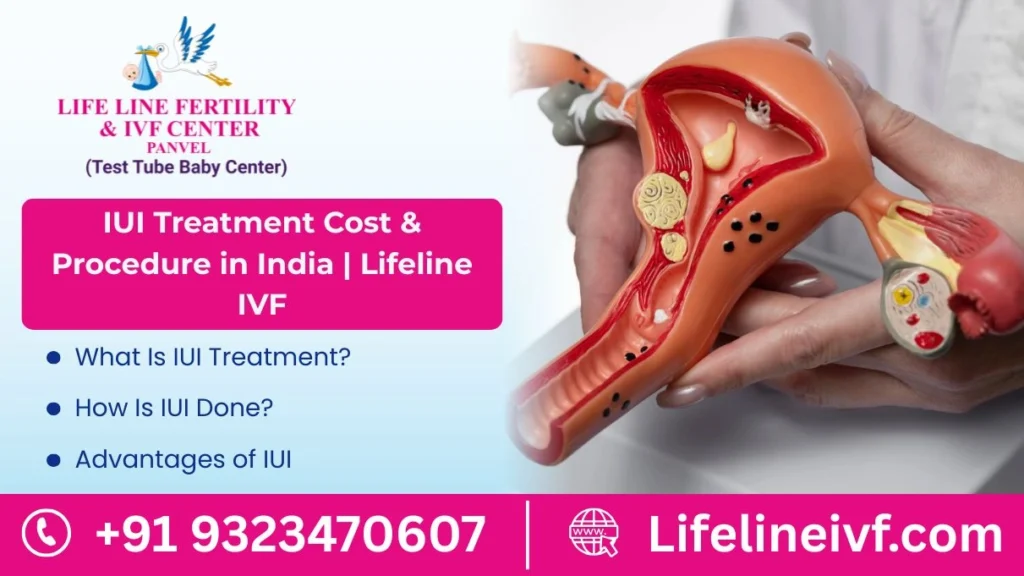
Blog IUI Treatment Cost: A Complete Guide to Affordable Fertility Care Becoming a parent is a dream for many couples. For those facing fertility challenges, Intrauterine Insemination (IUI) can offer hope. It’s one of the simplest and most affordable fertility treatments available today. This guide explains what IUI is, how it works, what affects its cost, and how you can make the most out of your fertility journey. What Is IUI Treatment? Intrauterine Insemination (IUI) is a fertility procedure that involves placing healthy, prepared sperm directly into a woman’s uterus around the time of ovulation. The goal is to increase the chances of the sperm meeting the egg naturally, helping fertilization occur more efficiently. IUI is often the first step for couples trying fertility treatments because it is less invasive, more affordable, and requires minimal medical intervention compared to other options like IVF. How Is IUI Done? The IUI procedure is a simple, painless process that usually takes less than 20 minutes. Step-by-Step Process Ovulation Monitoring: Doctors track the woman’s cycle using ultrasound or ovulation kits to find the best time for insemination. Sperm Preparation: The semen sample is processed in a lab to separate the most active sperm. Insemination: The prepared sperm is inserted into the uterus using a thin catheter. Rest and Recovery: The patient rests briefly and can resume normal activities the same day. It’s quick, safe, and usually performed without anesthesia. Advantages of IUI 1. Affordable Fertility Option IUI treatment is one of the most cost-effective fertility options available, making it ideal for couples starting their fertility journey. 2. Simple and Non-Surgical No surgery or anesthesia is required, and recovery is almost immediate. 3. Helps with Mild Fertility Problems IUI is particularly effective for couples facing mild male infertility, cervical issues, or unexplained infertility. Disadvantages of IUI While IUI has several benefits, it may not be suitable for all cases. Common Limitations Lower success rate compared to IVF Not effective for severe male infertility or blocked fallopian tubes Some couples may need multiple cycles for success A fertility specialist can help decide whether IUI is the best option. Steps for IUI Treatment The IUI process usually follows these stages: Treatment Flow Consultation & Testing: Basic fertility tests for both partners. Ovarian Stimulation: Fertility medications help produce one or more mature eggs. Monitoring: Ultrasound scans and blood tests track follicle growth. Sperm Collection: The semen sample is collected and processed. Insemination: The IUI procedure is performed at the right time for ovulation. Follow-up: After about two weeks, a pregnancy test confirms results. Who Gets the Most Benefit from IUI? IUI is often recommended for: Couples with mild male infertility Women with ovulation problems Couples with unexplained infertility Those using donor sperm Same-sex couples or single women It is an excellent first-line treatment before considering more advanced fertility methods. IUI Success Rates and Factors Impacting Success IUI success rates typically range from 10% to 20% per cycle. Success depends on several key factors. Factors Influencing Success Age: Women under 35 tend to have higher success rates. Sperm Quality: Healthy sperm improve the chances of fertilization. Timing: Properly timed insemination during ovulation boosts results. Fertility Issues: Conditions like PCOS or endometriosis can affect success rates. Doctors may recommend 3–6 IUI cycles before moving to other fertility treatments. Looking for professional support during your TESA recovery journey? Book An Appointment Using the IUI Procedure for Becoming Pregnant IUI increases the chance of pregnancy by improving the proximity between sperm and egg. This method is ideal for couples who have been trying naturally for several months without success. When combined with fertility medication, IUI can help improve ovulation and increase pregnancy rates safely. Factors Affecting IUI Treatment Cost The IUI treatment cost can vary depending on the individual’s medical condition and clinic facilities. On average, the cost in India ranges between ₹10,000 and ₹25,000 per cycle. Key Factors That Affect Cost Fertility medications: Hormonal injections or tablets may increase costs. Diagnostic tests: Ultrasounds, blood tests, and semen analysis are often required. Doctor’s experience: Fertility experts with high success rates may charge slightly more. Location of the clinic: Metro cities or specialized fertility centers can have higher rates. Donor sperm usage: Adds additional expenses if used. The IUI Procedure Explained The IUI procedure itself is quick and straightforward. Here’s what happens during the insemination process: What Happens on the Day of IUI The woman lies comfortably on an examination table. The doctor inserts a soft, thin tube through the cervix. The prepared sperm sample is injected into the uterus. The process is completed within minutes. Afterward, the patient may rest briefly before returning to daily activities. What’s Included in the IUI Cost? Understanding what’s included in the total IUI package helps you plan your fertility budget better. Common Inclusions Consultation and counseling Ultrasound scans and monitoring Sperm washing and preparation IUI procedure itself Basic follow-up consultation Medications and advanced tests may be billed separately depending on the treatment plan. Tips to Manage and Reduce IUI Costs Helpful Cost-Saving Tips Ask about multi-cycle IUI packages. Choose clinics with transparent pricing. Maintain a healthy lifestyle for better success in fewer cycles. Follow doctor’s instructions closely to minimize treatment delays. Careful planning ensures you get the most value from your fertility journey. Why Choose Lifeline IVF Panvel? At Lifeline IVF Panvel, patients receive expert fertility care through a personalized approach. The clinic combines advanced technology with experienced fertility specialists to make every treatment safe, effective, and affordable. The team focuses on patient comfort, transparency, and individualized care — ensuring that each couple receives a treatment plan suited to their unique needs. From diagnosis to conception, every step is handled with compassion and expertise. Conclusion IUI is one of the simplest, safest, and most cost-effective fertility treatments. It bridges the gap between natural conception and advanced procedures like IVF. Understanding the IUI treatment cost, procedure, and success factors helps couples make informed decisions about starting a family. With the right care, preparation, and guidance, the
TESA Procedure: Steps, Benefits, Risks & Recovery | Lifeline IVF Panvel
Blog TESA Procedure Explained: Purpose, Steps, Benefits, and Recovery Infertility can be an emotional challenge, and when the cause lies in male reproductive issues, advanced medical techniques like the TESA procedure (Testicular Sperm Aspiration) offer real hope. This minimally invasive method retrieves sperm directly from the testes, helping couples conceive through assisted reproductive treatments such as IVF or ICSI. This blog explains what the TESA procedure is, how it’s done, its benefits, recovery time, and how it differs from other fertility treatments. What Is TESA? TESA (Testicular Sperm Aspiration) is a medical procedure used to extract sperm directly from testicular tissue in men with little or no sperm in their semen — a condition known as azoospermia. It’s performed under local anesthesia with a fine needle, allowing sperm retrieval even when natural ejaculation is not possible. The collected sperm is then used in IVF or ICSI to help achieve fertilization and pregnancy. How TESA Is Done The TESA procedure is simple, safe, and quick — usually completed within 15 to 30 minutes. Step-by-Step Process Preparation: The area is numbed using local anesthesia. Aspiration: A fine needle is inserted into the testis to collect tissue containing sperm. Laboratory Analysis: Specialists process the sample to isolate viable sperm for use in IVF or ICSI. Storage: If not used immediately, the sperm can be frozen (cryopreserved) for future cycles. TESA is performed on an outpatient basis, so patients can usually go home the same day. What Is the TESA Procedure, and How Does It Work? The TESA procedure works by retrieving sperm directly from the testicles when semen samples show no sperm. These retrieved sperm cells are often immature, so they’re used for ICSI (Intracytoplasmic Sperm Injection), where a single sperm is injected into an egg for fertilization. This procedure provides an effective solution for male infertility, especially when other methods of sperm collection aren’t possible. Why Is the TESA Procedure Performed? Doctors recommend TESA when sperm are absent in semen due to: Obstructive azoospermia (blockage in the reproductive tract) Non-obstructive azoospermia (poor sperm production) Previous vasectomy or failed reversal Hormonal or genetic conditions affecting sperm production TESA helps men achieve biological fatherhood, even when natural sperm release isn’t possible. Advantages of TESA The TESA procedure has several key benefits: Minimally invasive and requires only local anesthesia Quick procedure and recovery No stitches or visible scarring Suitable even for severe cases of azoospermia Allows fresh or frozen sperm use in IVF/ICSI Complications of TESA Though safe, some mild and temporary side effects may occur, such as: Slight pain, swelling, or bruising in the testicular area Minor discomfort for 1–2 days Rarely, infection or tenderness Most patients recover fully with rest and mild pain medication. Who Can Benefit from TESA? TESA is ideal for: Men with azoospermia (no sperm in semen) Those with blocked sperm ducts or previous vasectomy Patients with failed ejaculation or low sperm motility Couples planning ICSI where sperm quality is low Need expert guidance to ensure a smooth recovery after the TESA procedure? Book An Appointment TESA-IVF: Success Rates and Benefits Combining TESA with IVF/ICSI increases the chances of conception for couples facing male infertility. On average, pregnancy success rates using TESA-retrieved sperm range from 40% to 60%, depending on sperm quality, egg health, and female age. This makes TESA an important option for achieving successful fertilization even in challenging cases. TESA Procedure: Side Effects and Recovery Time Potential Side Effects Mild soreness or tenderness near the testis Temporary redness or bruising Rare infection or swelling Recovery Time Most men recover in 24–48 hours. Doctors advise avoiding heavy physical activity, exercise, or sexual intercourse for about a week to ensure complete healing. TESA vs. Other Fertility Treatment Options TESA vs. PESA (Percutaneous Epididymal Sperm Aspiration) TESA retrieves sperm directly from the testis. PESA collects sperm from the epididymis (the tube near the testis). TESA is preferred for cases of poor sperm production rather than blocked sperm pathways. TESA vs. IVF with Ejaculated Sperm IVF uses sperm collected through ejaculation. TESA-IVF uses sperm directly retrieved from the testes when ejaculation yields no sperm. TESA ensures biological parenthood is still possible for men with zero sperm count. How Long Does TESA Treatment Take? The TESA procedure takes about 15–30 minutes and requires a few hours of observation before discharge. Patients typically return to normal routines within 1–2 days, depending on individual recovery. Potential Risks and Complications of TESA Complications are uncommon but may include: Mild swelling or bruising Temporary pain in the testicular area Rare infection An experienced fertility specialist minimizes these risks and ensures smooth recovery. Why Choose Lifeline IVF Panvel? At Lifeline IVF Panvel, patients receive compassionate, expert fertility care supported by advanced technology and modern labs. The clinic offers patient-centered, transparent treatment with personalized plans and dedicated support throughout every stage. With a focus on comfort, precision, and long-term reproductive health, Lifeline IVF Panvel helps couples confidently achieve their dream of parenthood. Conclusion The TESA procedure is a safe, effective, and minimally invasive solution for men facing infertility challenges. By retrieving sperm directly from the testes, TESA opens the door to parenthood for couples struggling with azoospermia or low sperm count. With proper medical care and guidance from an experienced fertility team, recovery is quick and success rates are encouraging — offering hope to couples on their fertility journey. FAQs Is the TESA procedure painful? No, it’s done under local anesthesia, so you’ll feel minimal discomfort. How long does recovery take after TESA? Most patients recover within one to two days. Can TESA be repeated if no sperm are found? Yes, your doctor may repeat it if necessary. Can TESA sperm be frozen for later IVF use? Yes, retrieved sperm can be cryopreserved for future IVF/ICSI cycles. What is the success rate of IVF using TESA sperm? Success rates generally range between 40%–60%, depending on fertility factors. No, it’s done under local anesthesia, so you’ll feel minimal discomfort. Most patients recover within one to two days. Yes, your
What to Avoid After Egg Retrieval: Complete Recovery and Care Guide
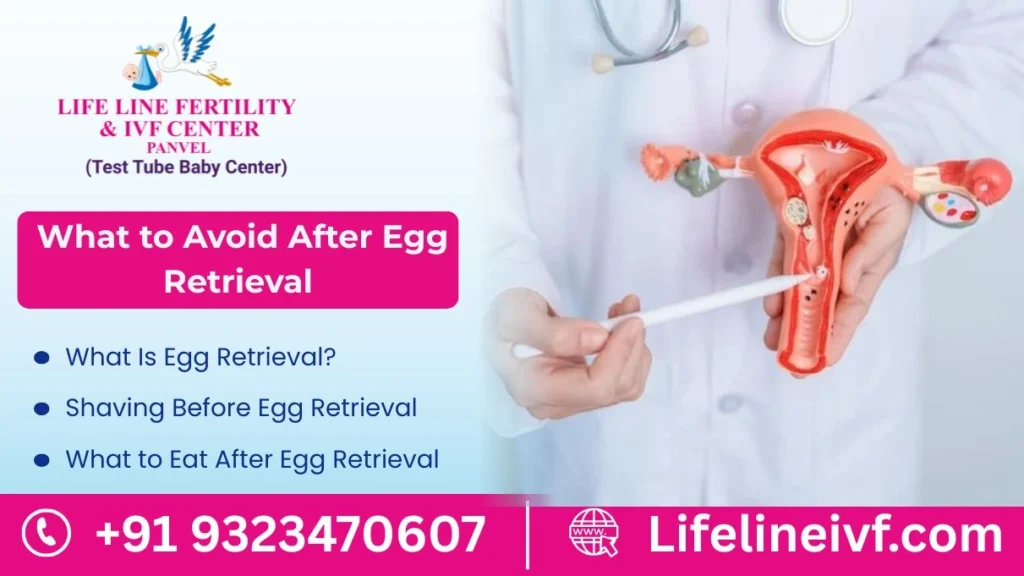
Blog What to Avoid After Egg Retrieval: Complete Recovery and Care Guide What Is Egg Retrieval? Egg retrieval is a vital part of the IVF (In Vitro Fertilization) process. It involves collecting mature eggs from a woman’s ovaries so they can later be fertilized in a laboratory. During this short, painless procedure, a fertility specialist uses ultrasound guidance and a thin needle to gently remove eggs from the ovarian follicles. It’s performed under mild sedation or anesthesia, ensuring comfort and safety. The purpose of egg retrieval is to collect mature, healthy eggs that can be fertilized to create embryos for IVF or stored for future fertility preservation. Ovarian Stimulation Before Egg Retrieval Medications Used During Stimulation: Patients typically take FSH (Follicle-Stimulating Hormone) and LH (Luteinizing Hormone) injections to help follicles grow. Later, an hCG “trigger shot” is given to mature the eggs before retrieval. Monitoring the Ovaries: Ultrasound scans and blood tests are done frequently to monitor follicle size and hormone levels. Once they reach maturity, the retrieval is scheduled 34–36 hours after the trigger shot. Common Sensations: Some patients experience mild bloating or mood changes during stimulation due to hormonal shifts, which usually subside after the procedure. Before egg retrieval, ovarian stimulation is carried out to encourage multiple eggs to mature simultaneously. Do’s and Don’ts Before Egg Retrieval Do’s Eat a balanced diet rich in protein and vegetables. Drink plenty of water to stay hydrated. Get enough rest the night before. Take your medications as prescribed. Don’ts Avoid alcohol, caffeine, and smoking. Don’t skip your hormone injections. Avoid perfumes or body lotions before your procedure. Don’t engage in heavy physical activity before retrieval. Proper preparation helps your body respond better and supports a smooth retrieval process. What to Do the Night Before Egg Retrieval The evening before your retrieval, prioritize relaxation and mental calm. Have a light meal such as soup, salad, or steamed vegetables. Avoid caffeine, fried, or spicy food that can cause discomfort. You’ll likely be asked to fast for at least 8 hours before the procedure. Spend time relaxing—deep breathing, meditation, or light reading can help ease anxiety and prepare you mentally. Shaving Before Egg Retrieval It’s not mandatory to shave or wax before the procedure unless advised by your clinic. Hygiene is more important than hair removal. If you prefer shaving, do it gently the day before to avoid irritation or nicks. Keeping the area clean and dry ensures comfort during the procedure. What to Avoid After Egg Retrieval After egg retrieval, your body needs time to rest and recover. Knowing what to avoid after egg retrieval helps prevent complications and supports healing. Avoid Strenuous Physical Activity: Refrain from running, gym workouts, or lifting heavy objects for at least 3–5 days. Strain can cause ovarian torsion, a painful twisting of the ovary. Avoid Sexual Intercourse: Avoid intercourse for about a week or until your doctor approves. The ovaries remain enlarged, and sexual activity can worsen discomfort or lead to injury. Avoid Swimming, Hot Baths, or Pools: For at least 5–7 days, avoid swimming or soaking in hot tubs to reduce the risk of infection. Opt for quick showers instead. Avoid Unprescribed Painkillers: Only take medicines recommended by your fertility specialist. Some over-the-counter painkillers may interfere with hormonal recovery. Avoid Junk Food and Excess Caffeine: Focus on balanced meals and stay away from processed, salty, or sugary foods that may worsen bloating. Avoid Skipping Prescribed Medication: Follow your doctor’s post-procedure instructions closely—antibiotics, progesterone, or supplements help support early recovery. What to Eat After Egg Retrieval Diet plays a big role in how quickly you recover from egg retrieval. Eat Protein-Rich Foods: Include eggs, tofu, chicken, and lentils. Protein helps repair tissues and maintain energy levels. Eat Iron and Fiber-Rich Foods: Leafy greens, beans, and whole grains prevent constipation and replace nutrients lost during the procedure. Hydration Tips: Drink at least 8–10 glasses of water daily. Coconut water and soups help reduce bloating and keep your hormones balanced. Need expert guidance to ensure a smooth recovery after egg retrieval? Book An Appointment The Period After Egg Retrieval A light period or spotting is normal after egg retrieval. This occurs because of hormonal changes and the small punctures made during the procedure. If bleeding becomes heavy or lasts beyond a few days, contact your fertility specialist to rule out ovarian hyperstimulation or infection. Heavy Period After Egg Retrieval Possible Reasons for Heavy Bleeding Hormonal changes after ovarian stimulation Small bleeding from follicle punctures Ovarian hyperstimulation syndrome (OHSS) If the flow is unusually heavy or accompanied by severe pain, consult your fertility doctor immediately. Common Symptoms After Egg Retrieval You may experience mild bloating, cramping, or fatigue after egg retrieval. These are normal and subside within 1–3 days. If you develop fever, severe pain, vomiting, or dizziness, contact your doctor as these may indicate complications. Can You Work After Egg Retrieval? Most patients can return to light work within 2–3 days. However, if your job involves standing for long periods or physical activity, take a few extra rest days. Allow your body time to heal fully before resuming your normal schedule. Is IVF Egg Retrieval Dangerous? Egg retrieval is generally safe when performed by skilled fertility specialists using advanced techniques. Rare Complications Include Infection or bleeding Ovarian hyperstimulation syndrome Allergic reaction to anesthesia These risks are minimal under experienced medical care and proper hygiene. How Long Does It Take to Recover After Egg Retrieval? Recovery takes about 1–3 days for most patients. Avoid intense activity until your follow-up visit.Your fertility team will guide you on when it’s safe to resume exercise or sexual activity based on your condition. When to Contact Your Doctor After Egg Retrieval Seek immediate medical advice if you experience: Fever above 100.4°F (38°C) Severe abdominal pain or swelling Heavy or prolonged bleeding Difficulty breathing Foul-smelling discharge These may signal infection or OHSS and should not be ignored. Why Choose Lifeline IVF Panvel? At Lifeline IVF Panvel, patients receive advanced, compassionate fertility care tailored to