
Blastocyst Meaning in Hindi | ब्लास्टोसिस्ट क्या है, IVF में भूमिका, फायदे | Lifeline IVF Panvel
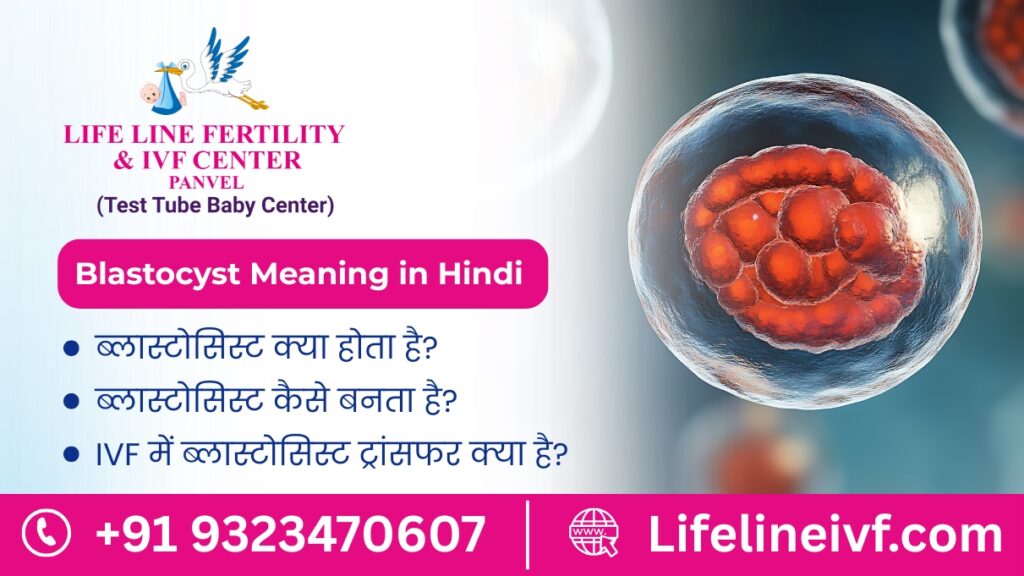
Blastocyst Meaning in Hindi (ब्लास्टोसिस्ट क्या है?) ब्लास्टोसिस्ट क्या होता है? (What is a Blastocyst?) ब्लास्टोसिस्ट का अर्थ (Definition of Blastocyst) ‘ब्लास्टोसिस्ट’ शब्द निषेचन के 5-6 दिन बाद के मानव भ्रूण को संदर्भित करता है। यह विकास की वह अवस्था है जिस तक भ्रूण को गर्भाशय में प्रत्यारोपित होने से पहले पहुँचना होता है। ब्लास्टोसिस्ट भ्रूण विकास का कौन सा चरण है? जब निषेचन और भ्रूण का विकास शरीर के बाहर किसी प्रयोगशाला में होता है, तो इसे ब्लास्टोसाइट कल्चर कहते हैं। प्रयोगशाला में भ्रूण विकास के विभिन्न चरण इस प्रकार हैं: दिन 0: अंडा पुनर्प्राप्ति का दिन दिन 1: प्रोन्यूक्लियर चरण, जहां भ्रूणविज्ञानी यह जांचता है कि कितने अंडे सफलतापूर्वक निषेचित हुए हैं दिन 2: दो से चार-कोशिका चरण दिन 3: आठ-कोशिका चरण दिन 4: मोरुला चरण दिन 5 या 6: ब्लास्टोसिस्ट चरण। IVF प्रक्रिया में ब्लास्टोसिस्ट की भूमिका (Role of Blastocyst in IVF) यह उन तकनीकों में से एक है जो उच्च आईवीएफ सफलता दर प्रदान करती है । उन्नत प्रजनन तकनीकों के साथ आईवीएफ उपचार ने अधिक दम्पतियों के लिए माता-पिता बनने के आनंद का अनुभव करना संभव बना दिया है।ब्लास्टोसिस्ट के साथ, गर्भधारण की संभावनाएँ काफ़ी बढ़ जाती हैं। नई प्रजनन तकनीकों का उद्देश्य दम्पतियों को प्रजनन संबंधी जटिलताओं से उबरने में मदद करना है। इन तकनीकों का उद्देश्य उपचार प्रक्रिया को सरल और तेज़ बनाना है।आईवीएफ एक सहायक प्रजनन उपचार है जो प्रजनन संबंधी समस्याओं से जूझ रहे दम्पतियों के लिए उपलब्ध है। अगर असुरक्षित यौन संबंध के एक साल के भीतर दम्पति गर्भधारण नहीं कर पाते हैं, तो डॉक्टर प्रजनन क्षमता परीक्षण की सलाह देते हैं। ब्लास्टोसिस्ट कैसे बनता है? (How a Blastocyst Forms) निषेचन (Fertilization) के बाद की प्रक्रिया आईवीएफ प्रयोगशाला में अंडाणु पुनर्प्राप्ति प्रक्रिया के बाद, निषेचन या तो इन-विट्रो फर्टिलाइजेशन (आईवीएफ) या इंट्रा-साइटोप्लाज्मिक स्पर्म इंजेक्शन (आईसीएसआई) के माध्यम से किया जाता है। इसके बाद, परिणामी भ्रूणों को आगे के विकास के लिए एक इनक्यूबेटर में रखा जाता है। 5वें या 6वें दिन का भ्रूण विकास (Day 5–6 Embryo Stage) गर्भाशय में स्थानांतरण के लिए सर्वोत्तम गुणवत्ता वाले ब्लास्टोसिस्ट का चयन किया जाता है। इसमें ब्लास्टोसिस्ट को कल्चर मीडिया से सावधानीपूर्वक निकालकर एक पतले कैथेटर में डाला जाता है। फिर कैथेटर को गर्भाशय में डाला जाता है, जहाँ ब्लास्टोसिस्ट को छोड़ा जाता है। यह प्रक्रिया आमतौर पर अल्ट्रासाउंड मार्गदर्शन में की जाती है और इसमें एनेस्थीसिया की आवश्यकता नहीं होती है। ब्लास्टोसिस्ट के मुख्य भाग (Inner Cell Mass & Trophoblast) एक ब्लास्टोसिस्ट में 100-200 कोशिकाएं होती हैं जो दो भागों में व्यवस्थित होती हैं: ट्रोफेक्टोडर्म, जो सबसे बाहरी परत है जो आरोपण में महत्वपूर्ण भूमिका निभाती है, और आंतरिक कोशिका द्रव्यमान, जो भ्रूण की प्रारंभिक कोशिकाएं होती हैं। IVF में ब्लास्टोसिस्ट ट्रांसफर क्या है? (Blastocyst Transfer in IVF) ब्लास्टोसिस्ट ट्रांसफर कैसे किया जाता है? स्थानांतरण समय: आईवीएफ उपचार के लिए ब्लास्टोसिस्ट स्थानांतरण, अंडाणु पुनर्प्राप्ति के 5वें या 6वें दिन होता है। ब्लास्टोसिस्ट की उच्च सफलता दर के कारण, केवल एक या दो भ्रूण ही गर्भाशय में स्थानांतरित किए जाते हैं। भ्रूण चयन: ब्लास्टोसिस्ट स्थानांतरण सर्वोत्तम भ्रूण के चयन से शुरू होता है। यह चयन पिछले दिनों की तुलना में भ्रूण के विकास पर आधारित होता है। विभाजन पैटर्न भ्रूण की गुणवत्ता निर्धारित करने में भी मदद करता है। गुणवत्ता मूल्यांकन: छठे दिन, सभी भ्रूण अच्छे दिखाई दे सकते हैं। हालाँकि, कुछ में कोशिका विभाजन असामान्य हो सकता है। इन भ्रूणों को अलग रख दिया जाता है और खराब गुणवत्ता का लेबल लगा दिया जाता है। प्रक्रिया: ब्लास्टोसिस्ट भ्रूण स्थानांतरण एक त्वरित और आसान प्रक्रिया है। ब्लास्टोसिस्ट को गर्भाशय में स्थापित करने के बाद, अगला चरण ब्लास्टोसिस्ट प्रत्यारोपण है। यही उपचार की सफलता को निर्धारित करता है। प्रत्यारोपण चरण: ब्लास्टोसिस्ट स्थानांतरण के तुरंत बाद प्रत्यारोपण के लिए तैयार हो जाता है। एंडोमेट्रियल अस्तर अपनी सबसे ग्रहणशील अवस्था में होता है और ब्लास्टोसिस्ट लगभग तुरंत ही प्रत्यारोपण शुरू कर देता है। हैचिंग और जुड़ाव: ब्लास्टोसिस्ट टूटकर गर्भाशय की भीतरी दीवार से जुड़ने लगता है। कुछ मामलों में, भ्रूण स्थानांतरण प्रक्रिया से पहले ही हैचिंग शुरू हो जाती है। इससे भ्रूणविज्ञानी भ्रूण को ज़ोना पेलुसिडा से हैचिंग करते हुए देख पाते हैं, जो भ्रूण का बाहरी सुरक्षात्मक आवरण होता है। यह पारंपरिक एम्ब्रियो ट्रांसफर से कैसे अलग है? ब्लास्टोसिस्ट स्थानांतरण प्राकृतिक गर्भाधान की नकल करता है जिसमें भ्रूण फैलोपियन ट्यूब से होकर निषेचन के पाँच दिन बाद गर्भाशय गुहा में पहुँचता है। यह भ्रूण के विकास और गर्भाशय की परत के बीच तालमेल बिठाता है जिससे आरोपण की संभावना बढ़ जाती है।ब्लास्टोसिस्ट संवर्धन भ्रूणों के एक समूह पर चयनात्मक दबाव डालता है और केवल सबसे मज़बूत और योग्य भ्रूण ही ब्लास्टोसिस्ट अवस्था तक सफलतापूर्वक विकसित हो पाते हैं। धीमे और रुके हुए भ्रूणों को चुनिंदा रूप से स्थानांतरण से बाहर करके, ब्लास्टोसिस्ट संवर्धन उच्च आरोपण क्षमता वाले आनुवंशिक रूप से सामान्य भ्रूण के स्थानांतरण की संभावना को बढ़ा देता है। इससे सफल गर्भधारण की संभावना बढ़ जाती है। ब्लास्टोसिस्ट ट्रांसफर के फायदे ब्लास्टोसिस्ट स्थानांतरण एक अच्छा विकल्प है क्योंकि यह प्रत्यारोपण को आसान बनाता है। जब कोई महिला गैर-आईवीएफ प्रजनन प्रक्रिया से गुज़रती है, तो भ्रूण दूसरे दिन फैलोपियन ट्यूब से होते हुए गर्भाशय में चला जाता है। जब डॉक्टर 5वें या 6वें दिन ब्लास्टोसिस्ट को सीधे महिला के गर्भाशय में स्थापित करते हैं, तो गर्भधारण की संभावना सामान्य से ज़्यादा होती है। इसके अलावा, जब ब्लास्टोसिस्ट पर आनुवंशिक परीक्षण किया जाता है, तो यह ज़्यादा सटीक होता है। ब्लास्टोसिस्ट ट्रांसफर कब किया जाता है? (When is Blastocyst Transfer Done?) IVF साइकिल के 5वें दिन पर प्रक्रिया मूलतः, यह निषेचन के 5 से 14 दिनों के बीच होता है और इस प्रक्रिया को ब्लास्टुलेशन कहते हैं। विकास का यह प्रारंभिक चरण तब शुरू होता है जब युग्मनज द्रव और कोशिकाओं के समूह से युक्त कोशिकाओं का रूप लेता है। आप इसे वह चरण भी मान सकते हैं जब भ्रूण गर्भाशय की परत में प्रत्यारोपित होने के लिए तैयार होता है। मूलतः, ये कोशिकाओं की परतें होती हैं जो विकासशील भ्रूण की रक्षा और पोषण के लिए ब्लास्टोसिस्ट को विभाजित और अलग करती हैं। कौन से मरीजों के लिए यह उपयुक्त है? ब्लास्टोसिस्ट कल्चर आईवीएफ प्रक्रिया का एक महत्वपूर्ण हिस्सा है। ब्लास्टोसिस्ट कल्चर उन लोगों
Hepatitis B in Hindi | हेपेटाइटिस बी के लक्षण, कारण, इलाज और बचाव | Lifeline IVF Panvel
Hepatitis B in Hindi (हेपेटाइटिस बी क्या है, लक्षण, कारण और इलाज) हेपेटाइटिस बी क्या होता है? (What is Hepatitis B?) हेपेटाइटिस बी का पूरा नाम और अर्थ हेपेटाइटिस बी एक गंभीर यकृत रोग है जो हेपेटाइटिस बी वायरस (एचबीवी) के कारण होता है। यह वायरस सभी उम्र के लोगों को प्रभावित कर सकता है। यह बीमारी शरीर को कैसे प्रभावित करती है? हेपेटाइटिस बी 20-30 वर्षों की अवधि में लीवर को अनिवार्य रूप से नुकसान पहुँचाता है। हेपेटाइटिस बी के लगभग 20 प्रतिशत रोगियों में, जिनका उपचार नहीं किया जाता, सिरोसिस (यकृत पर घाव) विकसित हो जाता है। सिरोसिस विकसित होने पर, रोगियों को लीवर फेल होने का खतरा होता है। हेपेटाइटिस बी के प्रकार (Acute और Chronic) हेपेटाइटिस बी तीव्र या पुराना हो सकता है। तीव्र हेपेटाइटिस बी में आमतौर पर किसी उपचार की आवश्यकता नहीं होती है। हेपेटाइटिस बी के पुराने रूपों में लिवर कैंसर और सिरोसिस शामिल हैं। तीव्र हेपेटाइटिस बी एक अल्पकालिक बीमारी है जो वायरस के संपर्क में आने के बाद पहले छह महीनों के भीतर होती है। यह बच्चों में हेपेटाइटिस बी का सबसे आम प्रकार है। क्रोनिक हेपेटाइटिस बी एक दीर्घकालिक बीमारी है जो गंभीर स्वास्थ्य समस्याओं का कारण बन सकती है, जिसमें यकृत विफलता और यकृत कैंसर शामिल हैं। हेपेटाइटिस बी के लक्षण (Symptoms of Hepatitis B in Hindi) शुरुआती लक्षण (Early Symptoms) आपको हेपेटाइटिस बी बिना किसी लक्षण के भी हो सकता है। अगर ऐसा है, तो ये लक्षण हो सकते हैं: पेट में दर्द थकान बुखार जोड़ों का दर्द भूख में कमी समुद्री बीमारी और उल्टी कमजोरी गंभीर या बढ़ते संक्रमण के लक्षण गहरे रंग का पेशाब हल्के या मिट्टी के रंग का मल आपके पेट या बाहों और पैरों में तरल पदार्थ से सूजन पीलिया के कारण आपकी त्वचा और आंखों का सफेद भाग पीला पड़ना बिना लक्षण वाले मरीज (Asymptomatic Cases) क्रोनिक एचबीवी से पीड़ित ज़्यादातर लोगों में कोई लक्षण नहीं दिखते और कई सालों तक लक्षण दिखाई भी नहीं दे सकते। लिवर फंक्शन टेस्ट के असामान्य परिणाम क्रोनिक एचबीवी संक्रमण का पहला संकेत हो सकते हैं। हेपेटाइटिस बी के कारण (Causes of Hepatitis B in Hindi) वायरस का संक्रमण (HBV Infection) यदि आप किसी ऐसे व्यक्ति के शारीरिक द्रव्य के संपर्क में आते हैं जो हेपेटाइटिस बी वायरस से संक्रमित है, तो आपको हेपेटाइटिस बी हो सकता है। यह एमनियोटिक द्रव, रक्त, मासिक धर्म द्रव, लार, वीर्य या योनि द्रव हो सकता है। संक्रमित खून या सुई के माध्यम से फैलना साफ़-सफ़ाई और स्वच्छता बनाए रखना बेहद ज़रूरी है। चिकित्सा उपचार के दौरान इस्तेमाल की जाने वाली सुइयों को मरीज़ों के बीच साझा नहीं किया जाना चाहिए क्योंकि इससे संक्रमण फैलने का ख़तरा बढ़ सकता है। हेपेटाइटिस बी वायरस संक्रमित रक्त से दूषित सिरिंज और सुइयों के ज़रिए भी फैलता है। अंतःशिरा दवाइयों की आपूर्ति साझा करने से हेपेटाइटिस बी संक्रमण का ख़तरा बढ़ जाता है। यौन संपर्क से संक्रमण (Unprotected Sex) किसी संक्रमित व्यक्ति के साथ असुरक्षित यौन संबंध बनाने से आप संक्रमित हो सकते हैं। हेपेटाइटिस बी वायरस संक्रमित व्यक्ति से स्वस्थ व्यक्ति में लार, रक्त, योनि स्राव और वीर्य के माध्यम से फैलता है। गर्भावस्था के दौरान मां से बच्चे में संक्रमण अगर कोई गर्भवती महिला हेपेटाइटिस बी से संक्रमित है, तो इस बात की ज़्यादा संभावना है कि यह वायरस संक्रमित माँ से उसके नवजात शिशु में भी पहुँच सकता है। हालाँकि, ऐसे मामलों में, नवजात शिशु को हेपेटाइटिस संक्रमण से बचाने वाला टीका लगवाकर संक्रमण को रोका जा सकता है। अन्य जोखिम कारक (Other Risk Factors) एचबीवी से पीड़ित किसी व्यक्ति के साथ रेज़र, टूथब्रश या इसी तरह की व्यक्तिगत वस्तुओं को साझा करने से एचबीवी से ग्रस्त व्यक्ति के रक्त या खुले घावों के संपर्क में आने से हेपेटाइटिस बी का इलाज (Treatment of Hepatitis B in Hindi) Acute Hepatitis B का इलाज तीव्र हेपेटाइटिस बी का कोई विशिष्ट उपचार नहीं है। अगर आपको बहुत ज़्यादा उल्टी और दस्त हो रहे हैं, तो आपका डॉक्टर आपको IV तरल पदार्थ दे सकता है। ये तरल पदार्थ निर्जलीकरण को रोकेंगे । निर्जलीकरण तब होता है जब आपके शरीर से इतना अधिक तरल पदार्थ निकल जाता है कि आपका शरीर ठीक से काम नहीं कर पाता। Chronic Hepatitis B का इलाज क्रोनिक हेपेटाइटिस बी का इलाज आपके लक्षणों और आपके संपूर्ण स्वास्थ्य पर निर्भर करता है। उपचार के विकल्प इस प्रकार हैं: दवाइयाँ: आपका डॉक्टर आपको एंटीवायरल दवाइयाँ या इम्यूनोमॉड्यूलेटर लिख सकता है। ये दवाइयाँ आपके द्वारा किसी और को हेपेटाइटिस बी फैलाने के जोखिम को कम करती हैं। आपको जीवन भर ये दवाइयाँ लेनी होंगी। सर्जरी: अगर हेपेटाइटिस बी के कारण कैंसर होता है, तो आपका डॉक्टर आपके लिवर के एक हिस्से को निकालने के लिए सर्जरी की सलाह दे सकता है। अगर आपके पूरे लिवर को निकालने के लिए सर्जरी हुई है, तो आपको लिवर ट्रांसप्लांट की ज़रूरत पड़ सकती है। दवाइयाँ और एंटीवायरल ट्रीटमेंट (Medications & Antivirals) हेपेटाइटिस बी संक्रमण का इलाज बिना डॉक्टर के पर्चे के मिलने वाली दवाओं और जीवनशैली में बदलाव से किया जाता है। यह सुनिश्चित करने के लिए कि तीव्र हेपेटाइटिस बी संक्रमण दीर्घकालिक संक्रमण में न बदल जाए, शीघ्र निदान और नियमित निगरानी बहुत ज़रूरी है। डॉक्टर से कब मिलें? (When to See a Doctor) अगर आपको पता चले कि आप हेपेटाइटिस बी वायरस के संपर्क में आ गए हैं, तो तुरंत अपने डॉक्टर को फ़ोन करें। अगर आप वायरस के संपर्क में आने के 24 घंटों के भीतर निवारक उपचार करवा लें, तो संक्रमण का ख़तरा कम हो सकता है। हेपेटाइटिस बी के घरेलू उपाय (Home Remedies and Lifestyle Tips) स्वस्थ आहार अपनाएं अपनी थाली में लीन प्रोटीन, फल और सब्ज़ियाँ भर लें। ऐसा पोषण से भरा आहार लिवर के स्वास्थ्य के लिए अच्छा है। अल्कोहल और ड्रग्स से परहेज़ करें यदि आप नियमित रूप से प्रतिदिन 1.5 औंस से 2 औंस से अधिक शराब पीते हैं, तो आपके लिवर में विषाक्त पदार्थ जमा हो सकते हैं। पर्याप्त पानी पिएं और आराम करें उल्टी हेपेटाइटिस बी का एक आम लक्षण है, जिससे निर्जलीकरण हो सकता है। आपको यह सुनिश्चित करना होगा कि आप दिन भर पर्याप्त मात्रा में तरल पदार्थ पीते रहें
Sperm Donor Process: Step-by-Step Guide | Lifeline IVF
Sperm Donor Process: Step-by-Step Guide at Lifeline IVF The sperm donor process is one of the most reliable fertility solutions for couples facing male infertility or genetic disorders. At Lifeline IVF, this process follows strict medical and ethical protocols to ensure safety, accuracy, and the highest chance of success. Whether it’s for IVF or artificial insemination, understanding each stage helps couples feel more confident and informed throughout their fertility journey. This guide breaks down every part of the sperm donor process, including donor selection, medical screening, and how sperm donation supports IVF treatments. What Is the Sperm Donor Process? The sperm donor process involves obtaining sperm from a healthy male donor that can be used to fertilize an egg through IVF or IUI. It’s often recommended for: Men with low sperm count or poor sperm quality Genetic conditions that could affect offspring Single women and same-sex couples who wish to have children The sperm donor is chosen based on detailed health checks, lifestyle, and genetic background. The sperm samples are then collected, tested, frozen, and used only after being cleared through quarantine and infection screening. Clinics like Lifeline IVF ensure every donor meets national medical standards set by the Indian Council of Medical Research (ICMR). This guarantees that every sample used is safe, tested, and medically suitable. The sperm donor process ultimately gives couples a safe, ethical, and effective route to parenthood. Step-by-Step Overview of the Sperm Donation Procedure The sperm donation process step by step includes multiple carefully controlled stages. Each phase ensures the donor and the recipient’s health are protected, and the chances of conception are maximized. Step 1 – Donor Screening and Selection Before donation, potential donors undergo comprehensive medical and psychological screening. Blood tests check for infectious diseases, and genetic testing screens for hereditary conditions. Clinics like Lifeline IVF also evaluate educational background and physical characteristics to match the donor with the recipient couple’s preferences. This ensures comfort and compatibility for both parties. Step 2 – Sperm Collection and Analysis The sperm donor procedure requires the donor to provide a semen sample in a sterile environment. The sample is tested for sperm count, motility, and structure to confirm quality. Samples meeting strict criteria are frozen using cryopreservation. Each batch is labeled with unique identification codes to maintain confidentiality and traceability. Step 3 – Quarantine and Retesting To ensure safety, donor samples are kept frozen for six months. After this period, the donor undergoes another round of testing. Only after the results are confirmed infection-free is the sample approved for use. This ensures that every sperm sample used in fertility treatment is safe, high-quality, and medically cleared. Step 4 – Fertilization and Embryo Transfer Once ready, the thawed donor sperm is used for IUI (Intrauterine Insemination) or IVF (In Vitro Fertilization), depending on the couple’s condition. In IVF, eggs are retrieved from the female partner and fertilized with donor sperm in a lab. The healthiest embryos are then transferred to the uterus to achieve pregnancy. How Sperm Donation Works for IVF and Couples The sperm donation process for IVF allows couples to conceive even when male fertility is compromised. The donor sperm acts as a substitute, fertilizing the eggs under controlled lab conditions. The sperm donation process for couples ensures emotional comfort and privacy. The donor is selected to resemble the male partner’s characteristics, making the child’s appearance and genetic background more relatable for the family. For IVF, donor sperm offers consistent quality and higher success rates compared to using low-quality sperm. The process is completely confidential, and all donor information remains anonymous under legal regulations. Clinics like Lifeline IVF manage the entire process with medical accuracy and emotional sensitivity, making the journey less stressful for both partners. Factors Affecting Sperm Donor Cost The sperm donor cost depends on several factors, including: The type of fertility treatment (IUI, IVF, or ICSI) The number of sperm vials required Donor screening, genetic testing, and storage duration Location and clinic reputation Clinics like Lifeline IVF maintain complete transparency regarding costs, ensuring patients understand the inclusions. Although the sperm donor cost can vary, investing in a reputed fertility center ensures quality care and a higher chance of conception. Choosing a certified clinic reduces the risk of medical complications and guarantees a safe experience. Many couples find this investment worthwhile when they experience the joy of achieving pregnancy through a reliable donor program. Why Choose Lifeline IVF for Donor Sperm Treatments? Lifeline IVF Panvel has earned the trust of countless couples through ethical practices, personalized care, and high success rates. Here’s why it’s one of the preferred centers for the sperm donor process: Registered donor bank with strict quality control Advanced fertility technologies and experienced specialists Anonymous and confidential donor matching Transparent pricing and affordable fertility plans Emotional counseling for couples undergoing treatment With an emphasis on patient safety and comfort, Lifeline IVF ensures that the entire sperm donation process for IVF is carried out smoothly and compassionately. Conclusion The sperm donor process offers hope to many couples and individuals who dream of starting a family. With careful medical screening, transparent procedures, and emotional support, it’s a safe and effective way to achieve pregnancy. At Lifeline IVF, every sperm donor procedure is handled with precision, care, and confidentiality. From donor selection to embryo transfer, the clinic prioritizes your comfort and success. Whether you’re exploring sperm donation for IVF or other fertility treatments, Lifeline IVF provides the right blend of advanced technology and compassionate care to help you experience the joy of parenthood. FAQs on Sperm Donor Process How long does the sperm donor process take? Typically, the process takes around 3–6 months, including donor screening, sperm collection, and quarantine. Is the donor’s identity ever revealed? No, donor anonymity is protected under ICMR regulations to maintain privacy for all parties involved. Can a sperm donor’s sample be used multiple times? Yes, but it’s limited to a small number of families to ensure genetic safety and compliance with guidelines. What is the success
How IVF Works Step by Step | IVF Treatment Process Guide

How IVF Works Step by Step For couples struggling with infertility, In Vitro Fertilization (IVF) offers a path to parenthood. This assisted reproductive technique involves fertilizing an egg with sperm outside the body and transferring the embryo into the uterus. Let’s break down how IVF works step by step from the initial consultation to the moment you wait for that positive pregnancy result. What is IVF and When is it Recommended? IVF is one of the most effective fertility treatments designed for couples facing challenges such as blocked fallopian tubes, low sperm count, ovulation disorders, or unexplained infertility. The process combines medical science and timing precision. When natural conception doesn’t occur, IVF treatment replicates the process in a controlled environment. It’s typically recommended for: Women with damaged or blocked fallopian tubes Men with poor sperm quality or motility Couples with unexplained infertility Individuals undergoing fertility preservation or donor cycles Understanding how IVF works step by step gives you confidence and clarity before beginning the journey. Step-by-Step Process of IVF Treatment Every IVF cycle follows a structured approach. Here’s what each stage involves: Step 1: Ovarian Stimulation The first step in how IVF works step by step involves stimulating the ovaries to produce multiple eggs. Fertility medications (gonadotropins) help mature more than one egg, increasing the chance of successful fertilization. During this phase, you’ll undergo: Hormone injections Blood tests Ultrasound scans to monitor follicle growth Once the follicles are ready, a “trigger shot” (hCG injection) prepares eggs for collection. Step 2: Egg Retrieval About 34–36 hours after the trigger shot, eggs are retrieved from the ovaries using a fine needle under light sedation. This short, painless procedure takes around 15–20 minutes. The retrieved eggs are immediately sent to the lab for fertilization. Egg retrieval is crucial in how IVF works step by step, as it ensures the best quality eggs are selected for fertilization. Step 3: Sperm Collection and Fertilization On the same day, a semen sample is collected. The best quality sperm are selected through advanced techniques. There are two main fertilization methods: Conventional IVF – Egg and sperm are combined naturally in a petri dish. ICSI (Intracytoplasmic Sperm Injection) – A single sperm is directly injected into an egg. This stage is the core of how IVF works step by step, as it marks the beginning of embryo formation. Step 4: Embryo Culture and Selection Fertilized eggs are cultured for 3–5 days in a controlled environment. Embryologists observe their growth and select the healthiest embryos. Advanced technologies like Blastocyst Culture or Embryo Grading help determine which embryo has the highest chance of successful implantation. Embryo selection plays a major role in IVF success and defines the quality outcome of how IVF works step by step. Step 5: Embryo Transfer The final and most anticipated step is embryo transfer. A selected embryo is placed into the uterus using a thin catheter. This procedure is painless and does not require anesthesia. After the transfer, patients are advised rest and prescribed hormonal support to help implantation. Two weeks later, a pregnancy test confirms if the cycle was successful. What Happens After the Embryo Transfer? After the transfer, it’s time to let nature take over. The embryo must attach to the uterine lining to begin pregnancy. During this stage: Avoid stress and physical strain Take prescribed medications regularly Eat a balanced, nutritious diet Emotional support is key. At Lifeline IVF, compassionate care continues beyond the procedure, helping couples through the crucial waiting phase. Success Rate and Factors Affecting IVF Results Success rates of IVF treatment vary depending on age, egg and sperm quality, and overall reproductive health. Typical IVF success rates range between 40%–60% for women under 35. However, several factors can influence results: Age and ovarian reserve Embryo quality Uterine health Lifestyle and stress levels Following medical advice, maintaining a healthy diet, and choosing an advanced fertility center like Lifeline IVF can significantly improve success chances. Why Choose Lifeline IVF for IVF Treatment? At Lifeline IVF Panvel, we provide personalized care and advanced reproductive technology to help every couple achieve their dream of parenthood. Our IVF treatment includes: Skilled embryologists and fertility specialists Modern lab facilities with precise temperature control Transparent treatment plans with emotional guidance Each IVF journey is unique, and our team ensures that every step from consultation to embryo transfer is handled with utmost care and accuracy. Conclusion How IVF works step by step may seem complex, but with the right medical guidance and emotional support, it becomes a hopeful journey. At Lifeline IVF, advanced reproductive care, ethical practice, and patient-first focus come together to turn dreams into reality one step at a time. FAQs on How IVF Works Step by Step How long does the IVF process take? A full IVF cycle typically takes 4–6 weeks, depending on your body’s response to medication. Is IVF painful? The procedures are mostly painless and done under light sedation. You might experience mild discomfort post retrieval. How many embryos are transferred in one cycle? Usually, 1–2 embryos are transferred based on age, medical history, and embryo quality. When can I take a pregnancy test after IVF? A blood test is done around 14 days after embryo transfer to confirm pregnancy. A full IVF cycle typically takes 4–6 weeks, depending on your body’s response to medication. The procedures are mostly painless and done under light sedation. You might experience mild discomfort post retrieval. Usually, 1–2 embryos are transferred based on age, medical history, and embryo quality. A blood test is done around 14 days after embryo transfer to confirm pregnancy.
How Many Injections for IVF Treatment | Lifeline IVF
How Many Injections for IVF Treatment? A Complete Guide When couples start IVF treatment, one of the first questions that comes up is — how many injections for IVF treatment are required? The truth is, the number of injections varies depending on your body’s response, your fertility plan, and the stage of treatment. This guide breaks down the complete IVF injection process, including how many injections are used, their purpose, and how long they last. Why Are Injections Needed During IVF? IVF injections play a crucial role in preparing the body for fertilization and implantation. These injections contain hormones that stimulate the ovaries to produce multiple eggs, increasing the chances of a successful pregnancy. The primary reason for using IVF injections is to control and enhance the ovulation cycle. Normally, a woman releases one egg each month, but with IVF, doctors aim for several eggs to increase success rates. The injections also help: Regulate hormone levels. Prevent premature ovulation. Support the uterus for embryo implantation. Each injection has a specific purpose — from stimulating egg growth to maintaining a healthy uterine lining. How Many Injections Are Given in an IVF Cycle? The number of injections in IVF treatment can differ for every woman, but typically, patients receive one to two injections daily for 8 to 12 days during the stimulation phase. That means you can expect between 20 to 30 injections per IVF cycle, depending on your response to medication. Here’s a breakdown: Ovarian stimulation phase : 8–12 days of hormone injections. Trigger shot : A single injection before egg retrieval. Progesterone phase : Daily injections or alternate support after embryo transfer. The total number can vary based on your fertility plan and medical condition. Your doctor at Lifeline IVF will customize your injection schedule for the best outcome. What Types of Injections Are Used in IVF Treatment? Several types of IVF injections are used at different stages. Each has a unique function in helping your body prepare for pregnancy. To understand how injections fit into the full journey, you can also explore our detailed guide on the IVF Treatment Process, which explains each stage from consultation to embryo transfer. Hormonal Stimulation Injections These are the first set of injections given during IVF. They contain follicle-stimulating hormone (FSH) and luteinizing hormone (LH) to encourage your ovaries to produce multiple eggs. Common brands include Gonal-F, Follistim, and Menopur. These are usually self-administered at home using a pen-like device, making the process more convenient and less painful. Trigger Shot Before Egg Retrieval Once the eggs are mature, your doctor will give a trigger shot that contains human chorionic gonadotropin (hCG). This injection helps the eggs complete their growth and get ready for retrieval. The timing is crucial — it’s usually given 36 hours before the egg retrieval procedure. Progesterone Injections After Embryo Transfer After embryo transfer, progesterone injections are given to prepare and support the uterine lining for implantation. These injections continue for two to three weeks after the transfer or until pregnancy is confirmed. How Long Do IVF Injections Last? The IVF injection process usually lasts around 10 to 14 days for the stimulation phase, followed by progesterone support for another 2–3 weeks. So, in total, IVF injections may continue for about 4 to 5 weeks depending on how your body responds. Some women may need fewer injections if their body reacts quickly to medication, while others might require more for proper egg growth. Your doctor monitors your hormone levels and follicle size through regular ultrasounds and blood tests to adjust doses accordingly. Tips to Manage IVF Injections Easily Many women feel anxious about taking daily injections, but with the right approach, it becomes manageable. Here are some useful tips: Schedule injections at the same time every day. Use ice to numb the area before injecting. Rotate injection sites to prevent soreness. Ask your partner or nurse for assistance if needed. Stay hydrated and follow your doctor’s instructions closely. Most patients find that discomfort decreases after the first few days as they become familiar with the routine. Why Choose Lifeline IVF for Your IVF Treatment At Lifeline IVF Panvel, our specialists ensure your IVF injection process is smooth, comfortable, and customized for your unique needs. We use advanced fertility protocols that reduce unnecessary injections while maintaining high success rates. Our supportive medical team guides you through every step — from your first consultation to post-treatment care. With state-of-the-art technology and compassionate care, Lifeline IVF provides a personalized experience that focuses on both your physical and emotional well-being. Learn more about our IVF Treatment here. FAQs on Male Fertility Test Cost Do all women need the same number of IVF injections? No, the number varies based on your fertility response and treatment protocol. Are IVF injections painful? Most patients report mild discomfort, similar to a vaccine shot, and it reduces over time. Can IVF injections be self-administered? Yes, most injections can be taken at home after proper instruction from your fertility nurse. What happens if I miss an IVF injection? Contact your fertility doctor immediately. Timing is crucial for IVF success. How long do IVF injections last in the body? Each injection’s effect lasts a few hours to a day, depending on the hormone type. No, the number varies based on your fertility response and treatment protocol. Most patients report mild discomfort, similar to a vaccine shot, and it reduces over time. Yes, most injections can be taken at home after proper instruction from your fertility nurse. Contact your fertility doctor immediately. Timing is crucial for IVF success. Each injection’s effect lasts a few hours to a day, depending on the hormone type. Conclusion The number of injections in IVF treatment depends on your individual fertility plan, but most women receive around 20–30 injections per cycle. While it may sound overwhelming, each injection plays a vital role in ensuring a successful outcome. With the right guidance and care at Lifeline IVF, you can go through the IVF journey confidently, knowing
Male Fertility Test Cost | Fertility Check-Up for Men

How Much Does It Cost to Test If a Man Is Fertile? When a couple faces challenges conceiving, it’s important for both partners to get tested. A male fertility test helps assess sperm health and other factors affecting conception.In India, the male fertility test cost varies based on the type of test and the fertility center.Understanding these costs helps you plan better and take timely steps toward parenthood.This guide explains different male fertility tests, price breakdowns, and why choosing a trusted center like Lifeline IVF matters. What Is a Male Fertility Test and Why Is It Needed? A male fertility test checks a man’s sperm count, quality, motility, and overall reproductive health. It’s recommended when a couple has been trying for more than 6 to 12 months without success.The fertility check-up cost for men depends on how detailed the evaluation is. A basic test may cover semen analysis, while an advanced one includes hormonal and genetic assessments. Common reasons for infertility in men include: Low sperm count or poor motility Hormonal imbalance Lifestyle factors like smoking or stress Varicocele or testicular issues Early testing helps detect the issue and increases the chances of successful treatment. What Factors Affect the Male Fertility Test Cost? The male fertility test cost in India isn’t the same everywhere. Several factors influence the total amount you may pay, such as: Type of tests : Basic semen analysis is cheaper compared to advanced hormonal or DNA tests. Location of clinic : Fertility centers in metro cities often charge more due to infrastructure and expertise. Technology used : Modern sperm analysis and computer-assisted semen testing increase accuracy but can cost more. Package inclusions : Some clinics include consultation and follow-ups in their fertility packages. Typically, the fertility test for men cost starts around ₹1,000 and may go up to ₹10,000 depending on what’s included. Common Types of Male Fertility Tests and Their Prices Semen Analysis This is the most basic and commonly done fertility test for men.It checks sperm count, movement, shape, and quality. The male fertility test price for semen analysis usually ranges from ₹800 to ₹2,000.Semen analysis gives a clear idea about the man’s reproductive potential and helps doctors decide on further tests if needed. Hormone Testing Hormones such as testosterone, FSH, and LH regulate sperm production. An imbalance can impact sperm health and lead to fertility issues. These tests generally cost between ₹1,500 and ₹3,500.If your semen analysis shows abnormalities or you experience low libido or fatigue, hormone testing becomes essential. Genetic and Imaging Tests For men with extremely low sperm counts, doctors may recommend genetic testing to detect chromosomal abnormalities. Scrotal ultrasound checks for blockages, infections, or varicocele. The fertility check-up cost for men for these advanced tests can range between ₹5,000 and ₹10,000. Average Male Fertility Test Cost in India Here’s a general cost overview across major cities: City Average Cost Mumbai 2,000 – 7,000 Delhi 1,800 – 6,000 Pune 1,500 – 5,000 Chennai 1,800 – 6,500 Bangalore 2,000 – 7,500 Many centers offer combined packages that include consultation and testing at a discounted rate. At Lifeline IVF, personalized male fertility test plans are available to suit individual needs and budgets. What’s Included in a Male Fertility Check-Up Package? A complete fertility check-up cost for men often includes: Semen analysis Hormonal testing Doctor consultation Scrotal ultrasound Physical examination Report discussion and treatment advice These packages give a complete understanding of male reproductive health. They also help identify if lifestyle or medical treatment is needed to improve fertility. When Should You Get a Fertility Test for Men? You should consider a fertility test for men if: You’ve been trying for a year without conception You have a history of genital infections or injuries You experience sexual health issues You’ve undergone chemotherapy or radiation You are above 35 and planning a family Getting tested early can save time and help you start suitable treatment sooner. Why Choose Lifeline IVF for Male Fertility Tests? Lifeline IVF Panvel is one of India’s trusted fertility centers offering comprehensive testing and treatment for men. Here’s why couples choose Lifeline IVF: Affordable Pricing : Transparent male fertility test cost with no hidden charges. Accurate Results : Advanced diagnostic tools ensure precise reports. Experienced Specialists : Qualified andrologists and fertility experts provide tailored advice. Confidential & Supportive Environment : Patient privacy and comfort are top priorities. Customized Fertility Packages : Options available for all budget levels and fertility needs. By choosing Lifeline IVF, you get accurate diagnosis, compassionate care, and complete support throughout your fertility journey. Conclusion The male fertility test cost depends on the type of evaluation you choose, but it’s an important step toward understanding reproductive health. Investing in a proper fertility check-up cost for men ensures that both diagnosis and treatment start early.At Lifeline IVF, every couple receives personalized care with affordable and reliable fertility testing options. If you’ve been trying to conceive, book your male fertility test today and take the first step toward a healthy pregnancy journey. FAQs on Male Fertility Test Cost What is the lowest male fertility test price in India? Basic semen analysis starts from ₹800 onwards. Does insurance cover male fertility testing? Generally, fertility tests are not covered by insurance unless linked to a medical issue. Can I take a fertility test at home? Home testing kits are available, but clinical tests provide more detailed and accurate results. How long does it take to get results? Most labs provide results within 1 to 2 working days. Do I need to repeat the test? If the results show low sperm count or motility, a repeat test may be recommended after 2–3 weeks. Basic semen analysis starts from ₹800 onwards. Generally, fertility tests are not covered by insurance unless linked to a medical issue. Home testing kits are available, but clinical tests provide more detailed and accurate results. Most labs provide results within 1 to 2 working days. If the results show low sperm count or motility, a repeat test may be
Fertility Test for Men | Lifeline IVF Male Fertility Care

Fertility Test for Men: Signs, Process, and When to Get Tested Male fertility is an important factor in conception, yet many men overlook it until they face challenges starting a family. A fertility test for men provides valuable information about sperm health, hormones, and reproductive function.Understanding male fertility is key because one-third of all infertility cases are due to male factors. Timely testing helps detect potential issues early and guides suitable treatment options.Whether you’re planning for a baby or facing difficulties conceiving, knowing how a male fertility test works and what it includes can make a big difference. What Is a Fertility Test for Men? A fertility test for men assesses the ability of sperm to fertilize an egg. It involves several diagnostic procedures that evaluate sperm quantity, quality, and function.Typically, doctors recommend the test after a couple has been trying to conceive for at least 12 months without success. But even before that, men can consider early testing to ensure everything is normal. The most common fertility tests for men include: Semen analysis : Examines sperm count, motility (movement), and morphology (shape). Hormonal tests : Measure testosterone and other reproductive hormones that regulate sperm production. Ultrasound : Detects structural problems like varicoceles or blockages. Genetic testing : Identifies hereditary issues that might affect fertility. Each test offers insight into a different aspect of reproductive health, helping specialists at Lifeline IVF tailor treatment for better outcomes. How Can a Man Check if He Is Fertile? Men can check fertility both at home and through clinical evaluation.At a clinic, the process starts with a fertility test for men, where a semen sample is collected and analyzed in a laboratory. The lab examines several key factors: Sperm count : The number of sperm in one milliliter of semen. Sperm motility : The ability of sperm to move efficiently toward the egg. Sperm morphology : The shape and structure of sperm, which affect fertilization capability. While home sperm test kits are available, they provide only limited information. A professional male fertility test offers a more accurate picture by including hormone analysis and imaging tests if necessary.Men experiencing symptoms like reduced sexual drive, testicular pain, or difficulty conceiving should consult a fertility specialist. At Lifeline IVF, advanced diagnostic tools and experienced doctors ensure reliable results. What Are the Signs of Male Infertility? Infertility in men may not always have visible symptoms, but several indicators can suggest reduced fertility. Common signs include: Difficulty conceiving after a year of regular intercourse. Abnormal semen results such as low sperm count. Testicular pain, swelling, or discomfort. Erectile dysfunction or low libido. Hormonal changes causing fatigue or loss of body hair. Lifestyle factors like smoking, alcohol, obesity, and chronic stress also contribute to male infertility. Prolonged exposure to heat, certain medications, or untreated infections can further reduce sperm quality.Taking a fertility test for men helps identify the root cause and guide treatment. Simple lifestyle improvements, such as eating antioxidant-rich foods, exercising, and avoiding toxins, can naturally enhance fertility. What Does a Male Fertility Test Include? A complete male fertility test covers multiple diagnostic stages to provide a clear overview of reproductive health. It typically includes: Physical examination : Checks for abnormalities in the testicles, veins, or prostate. Semen analysis : The most crucial step assessing sperm count, shape, and movement. Hormonal evaluation : Measures testosterone, LH, FSH, and prolactin levels to identify hormonal imbalances. Imaging tests : Ultrasound helps detect blockages or issues in the reproductive organs. Genetic testing : Determines if chromosomal problems are causing infertility. The results of a male fertility test help doctors understand whether the issue is sperm-related, hormonal, or structural.Knowing what does a male fertility test include prepares men for the process and removes anxiety. At Lifeline IVF, all tests are conducted in a safe, confidential environment with accurate results provided promptly. What Age Are Men Most Fertile? Men are typically most fertile between ages 25 and 35, when sperm motility, count, and structure are optimal. After age 40, sperm DNA fragmentation increases, which can lead to lower fertility and a higher risk of miscarriage or genetic abnormalities in offspring.However, it’s important to note that men can remain fertile throughout life, even into their 50s or 60s. The quality of sperm, however, tends to decline with age.Modern fertility treatments, such as ICSI (Intracytoplasmic Sperm Injection) or sperm washing, available at the best fertility clinic for men, can significantly improve conception chances even for older men.Maintaining good health, avoiding smoking, and keeping stress in check can help preserve fertility for longer. Why Choose Lifeline IVF – The Best Fertility Clinic for Men Lifeline IVF Panvel is recognized as one of the best fertility clinics for men in Mumbai, offering advanced diagnostic and treatment solutions. Here’s what makes Lifeline IVF stand out: Comprehensive fertility assessments tailored to each individual. State-of-the-art laboratory technology for accurate results. Treatments for all types of male infertility, including low sperm count and hormonal imbalance. Confidential consultations and personalized support throughout the process. Success-driven approach using evidence-based reproductive methods. By scheduling a fertility test for men at Lifeline IVF’s Male Fertility Clinic, you take the first step toward identifying and overcoming fertility challenges.Early diagnosis leads to better results—and greater peace of mind. FAQs on Fertility Test for Men How long does a male fertility test take? A semen analysis is completed in a few hours, and comprehensive results are usually ready within one or two days. Are fertility tests painful? No, a fertility test for men is completely non-invasive and painless. Can stress affect male fertility? Yes. Chronic stress can disrupt hormone levels, reducing sperm count and motility. Can male infertility be treated? In most cases, yes. Lifestyle changes, medication, or assisted reproductive techniques can restore fertility. How often should a man get tested? If you’ve been trying to conceive for over a year without success, it’s advisable to take a test. Men over 35 should also consider periodic testing. A semen analysis is completed in a few hours, and comprehensive
Surrogate Process in Hindi: सरोगेसी प्रक्रिया, प्रकार, खर्च और नए नियम

सरोगेसी प्रक्रिया क्या है? सरोगेसी एक ऐसी प्रक्रिया है जिसमें एक महिला किसी दूसरे दंपत्ति के बच्चे को जन्म देती है। सरल शब्दों में, जो दंपत्ति स्वयं बच्चा पैदा करने में असमर्थ होते हैं, वे अपने बच्चे को जन्म देने के लिए किसी अन्य महिला के गर्भ का उपयोग करते हैं। इस प्रक्रिया में, जिस दंपत्ति के गर्भ में बच्चा होता है उसे “इच्छुक माता-पिता” कहा जाता है और बच्चे को जन्म देने वाली महिला को “सरोगेट माँ” कहा जाता है। सरोगेसी से बच्चा कैसे पैदा किया जाता है? यह प्रक्रिया विज्ञान की मदद से की जाती है और इसमें आईवीएफ (इन विट्रो फर्टिलाइजेशन) जैसी तकनीकों का इस्तेमाल होता है । आईवीएफ, प्रयोगशाला में अंडे और शुक्राणुओं के संयोजन से भ्रूण बनाने और फिर उस भ्रूण को सरोगेट माँ के गर्भाशय में स्थानांतरित करने की प्रक्रिया है। कभी-कभी कृत्रिम गर्भाधान का भी इस्तेमाल किया जाता है, लेकिन आजकल आईवीएफ ज़्यादा लोकप्रिय है। सरोगेसी ने कई जोड़ों के माता-पिता बनने के सपने को पूरा किया है, लेकिन इसमें कुछ कानूनी और भावनात्मक पहलू भी शामिल हैं। सरोगेसी के प्रकार सरोगेसी के दो मुख्य प्रकार हैं – पारंपरिक सरोगेसी और गर्भावधि सरोगेसी। आइए समझते हैं कि ये दोनों प्रकार कैसे भिन्न हैं: पारंपरिक सरोगेसी: इस प्रकार में, सरोगेट माँ के अपने अंडे का उपयोग किया जाता है। यानी, उसके अंडे और भावी पिता के शुक्राणु के संयोजन से शिशु का निर्माण होता है। इसके लिए कृत्रिम गर्भाधान का उपयोग किया जाता है, जहाँ शुक्राणु को सरोगेट माँ के गर्भ में प्रविष्ट कराया जाता है। इस प्रक्रिया में, सरोगेट माँ ही शिशु की जैविक माँ होती है, क्योंकि शिशु उसके डीएनए से बनता है। लेकिन शिशु के जन्म के बाद, उसे भावी माता-पिता को दे दिया जाता है। इस प्रकार का उपयोग अब बहुत कम होता है क्योंकि इसमें भावनात्मक और कानूनी कठिनाइयाँ शामिल होती हैं, जैसे कि बढ़ती भावनात्मक निकटता के कारण सरोगेट माँ शिशु को देने से इनकार कर सकती है। गर्भावधि सरोगेसी: आजकल इस प्रकार का प्रयोग ज़्यादा होता है। इसमें, इच्छित माँ के अंडाणु और इच्छित पिता के शुक्राणु का उपयोग करके लैब में एक भ्रूण बनाया जाता है। फिर इस भ्रूण को सरोगेट माँ के गर्भाशय में स्थानांतरित कर दिया जाता है। इसमें, सरोगेट माँ केवल बच्चे का पालन-पोषण और जन्म देती है, लेकिन उसका बच्चे से कोई आनुवंशिक संबंध नहीं होता। यानी, बच्चा पूरी तरह से इच्छित माता-पिता का होता है। यह प्रक्रिया आईवीएफ की मदद से की जाती है और इसमें सरोगेट माँ को केवल एक ‘वाहक’, यानी एक माध्यम या साधन के रूप में देखा जाता है। भारत में इस प्रकार का प्रयोग ज़्यादा होता है क्योंकि इसमें कानूनी जटिलताएँ कम होती हैं। सरोगेसी में कितना खर्च आता है? सरोगेसी एक महंगी प्रक्रिया है और इसकी लागत कई कारकों पर निर्भर करती है। भारत में लागत: भारत में सरोगेसी की लागत लगभग 10-25 लाख रुपये है। इसमें आईवीएफ प्रक्रिया (3-5 लाख रुपये), सरोगेट माँ के इलाज का खर्च (5-10 लाख रुपये), उसकी देखभाल (रहने, खाने-पीने का खर्च) और कानूनी कागजी कार्रवाई का खर्च (1-2 लाख रुपये) शामिल है। अगर आप इसे किसी बड़े शहर या अच्छे अस्पताल से करवा रहे हैं, तो इसकी लागत 30 लाख रुपये तक जा सकती है। लागत को प्रभावित करने वाले कारक: लागत अस्पताल की गुणवत्ता, सरोगेट माँ की ज़रूरतों और आईवीएफ चक्रों की संख्या पर निर्भर करती है। कभी-कभी एक से ज़्यादा प्रयासों की आवश्यकता होती है, जिससे लागत बढ़ जाती है। इसके अलावा, अगर गर्भावस्था के दौरान कोई जटिलताएँ आती हैं, तो अतिरिक्त लागत आ सकती है। सरोगेसी का नया नियम क्या है? भारत में सरोगेट मदर बनने के कुछ सख्त नियम हैं। कोई भी महिला सरोगेट मदर नहीं बन सकती। आयु: उसकी आयु 25 से 35 वर्ष के बीच होनी चाहिए, क्योंकि इस आयु में शरीर गर्भधारण के लिए अधिक स्वस्थ होता है। विवाहित होना: उसे विवाहित होना चाहिए और उसका कम से कम एक बच्चा होना चाहिए। इससे उसे गर्भावस्था और प्रसव का अनुभव मिलता है। रिश्तेदार: भारत के नए कानून के अनुसार, सरोगेट माँ, भावी माता-पिता की कोई करीबी रिश्तेदार होनी चाहिए, जैसे बहन, मौसी, सास या कोई अन्य करीबी रिश्तेदार। इससे शोषण का खतरा कम हो जाता है। स्वास्थ्य: उसे शारीरिक और मानसिक रूप से स्वस्थ होना चाहिए। डॉक्टर द्वारा प्रमाणित किया जाना चाहिए कि वह सरोगेसी के लिए उपयुक्त है। एक बार की सरोगेसी: वह अपने जीवन में केवल एक बार ही सरोगेट मां बन सकती है, ताकि उसके शरीर पर अधिक दबाव न पड़े। भारत में सरोगेसी से जुड़े नियम बेहद सख्त हैं। 2021 में “सरोगेसी (विनियमन) अधिनियम” लागू हुआ और इसके तहत कई बड़े बदलाव हुए। पहले भारत “व्यावसायिक सरोगेसी” के लिए मशहूर था, लेकिन अब यह पूरी तरह बंद हो गया है। आयु सीमा: इच्छुक माता की आयु 23 से 50 वर्ष के बीच होनी चाहिए तथा इच्छुक पिता की आयु 26 से 55 वर्ष के बीच होनी चाहिए। यह सीमा इसलिए रखी गई है क्योंकि इस आयु में दम्पति माता-पिता बनने के योग्य होते हैं तथा अधिक आयु में जटिलताओं का खतरा बढ़ जाता है। कानूनी समझौता: सरोगेसी के लिए एक अनुबंध आवश्यक है, जिसमें सभी शर्तें स्पष्ट रूप से लिखी हों – जैसे कि सरोगेट माँ बच्चे पर दावा नहीं करेगी और भावी माता-पिता उसकी पूरी देखभाल करेंगे। यह समझौता किसी सरकारी वकील द्वारा तैयार किया जाना चाहिए। इससे भविष्य में किसी भी विवाद से बचा जा सकेगा। सरोगेट मदर बीमा: सरोगेट मदर को 36 महीने का मेडिकल बीमा करवाना होगा, जिससे यह सुनिश्चित होगा कि प्रसव के बाद भी उसकी देखभाल की जाएगी। अगर गर्भावस्था के दौरान कोई समस्या आती है, तो उसका इलाज मुफ़्त में किया जाएगा। दंड और सज़ा: अगर कोई इस कानून का उल्लंघन करता है – जैसे कि व्यावसायिक सरोगेसी करके या किसी विदेशी जोड़े की मदद करके – तो उसे 10 साल तक की जेल और 10 लाख रुपये का जुर्माना हो सकता है। यह सख्त नियम लोगों को कानून तोड़ने से रोकने के लिए है। सरकारी निगरानी: सभी सरोगेसी प्रक्रियाएँ केवल सरकार द्वारा अनुमोदित अस्पतालों और डॉक्टरों के माध्यम से ही की जाएँगी। इसके लिए राष्ट्रीय सरोगेसी बोर्ड
Test Tube Baby: Procedure, Cost in India, Success Rates & Benefits
Test Tube Baby: Everything You Need to Know Becoming parents is one of the happiest dreams for many couples. But sometimes, health challenges make natural conception difficult. With medical science, new solutions like the test tube baby treatment give hope to families. In this guide, we will explain what a test tube baby is, how the procedure works, its success rates, cost in India, and why couples choose this treatment. What is a Test Tube Baby? A test tube baby is simply another name for IVF (In Vitro Fertilization). In this process, doctors take a woman’s eggs and a man’s sperm, combine them in a laboratory, and once fertilization happens, place the embryo back into the woman’s uterus.The term “test tube baby” became popular many years ago because people thought the baby grows inside a tube. But the truth is different the baby grows inside the mother’s womb, just like in natural pregnancy. The only part done outside is the fertilization step. Why is the Test Tube Baby Procedure Done? The test tube baby treatment helps couples who struggle with infertility. Doctors may suggest IVF when: The woman has blocked or damaged fallopian tubes. The man has a low sperm count or poor sperm quality. There are problems with ovulation. Couples face unexplained infertility. Previous fertility treatments did not work. Who is a Candidate for Test Tube Baby Treatment? Not every couple needs IVF. Doctors usually recommend test tube baby treatment when natural methods or simpler options like medicines or IUI (Intrauterine Insemination) do not work. Good candidates may include: Women with endometriosis. Women with irregular ovulation. Couples with genetic concerns. Older women where egg quality has reduced. Step-by-Step Test Tube Baby Procedure The test tube baby procedure happens in several stages: Initial Consultation The couple meets fertility specialists who do tests, scans, and medical history checks. This helps in making a personalized plan. Medications and Egg Retrieval The woman is given fertility medicines to produce multiple eggs. Once the eggs are mature, doctors carefully retrieve them from the ovaries. Fertilization and Embryo Transfer The eggs are combined with sperm in the lab. After fertilization, the embryo is monitored for a few days and then transferred to the uterus. If the embryo implants successfully, pregnancy begins. Understanding Test Tube Baby Treatments There are different types of IVF treatments, such as: Conventional IVF ICSI (Intracytoplasmic Sperm Injection) Donor egg or sperm IVF Frozen embryo transfer The treatment depends on the couple’s medical condition. Are There Any Risks and Side Effects of Having a Test Tube Baby? IVF is generally safe, but like any medical treatment, it may have some risks: Mild discomfort after egg retrieval. Bloating or mood swings from fertility medicines. Rare cases of multiple pregnancy (twins or triplets). Ovarian Hyperstimulation Syndrome (OHSS), though doctors monitor carefully to prevent it. Are Babies Born from Test Tube Babies Normal and Healthy? Yes. Test tube babies are completely normal. They grow, look, and live just like any naturally conceived child. Research has shown that IVF children have the same chances of good health, intelligence, and emotional development as other kids. Success Rates and Factors Influencing Outcomes The success of a test tube baby procedure depends on many factors, such as: Age of the woman (younger women usually have higher success). Quality of the eggs and sperm. Uterine health. Lifestyle factors like smoking, alcohol, stress, and obesity. Doctors may use advanced technologies like embryo freezing, PGT (genetic testing), and donor programs to improve results. Pros and Cons of Test Tube Baby Like every treatment, IVF has both advantages and challenges. Pros: High chances of pregnancy for couples with infertility. Option to use donor eggs or sperm. Helps couples with genetic problems. Cons: Expensive compared to simpler treatments. May need more than one cycle. Emotional stress during the process. Factors Affecting Success Rates Some important factors that affect success include: Age of the woman. Previous pregnancy history. Medical conditions like PCOS, endometriosis, or low sperm count. Quality of embryos. How Much Do Test Tube Babies Cost in India? The test tube baby cost in India is lower than in many other countries, making it an affordable option. On average, one IVF cycle in India costs between ₹1.5 lakh to ₹2.5 lakh, depending on: City and clinic location. Type of IVF (with or without donor eggs/sperm). Use of advanced technologies like ICSI or embryo freezing. Medicines required. Genetic Differences in a Test Tube Baby A common question people ask is whether test tube babies are genetically different. The answer is no. A test tube baby carries the genetic material of the parents, just like in natural conception. The baby is biologically the child of the couple unless donor eggs or sperm are used. What Medications Are Used for Test Tube Baby? During the IVF process, doctors may prescribe: Fertility injections to stimulate ovaries. Hormonal medicines to prepare the uterus. Medicines after embryo transfer to support implantation. These medicines are safe and used under strict medical guidance. What Can You Expect After Test Tube Baby? After the embryo transfer, couples usually wait for about 12–14 days before a pregnancy test. Some women may feel mild cramping, bloating, or spotting. Others may not feel any symptoms at all, and that is also normal. How Long Does Test Tube Baby Take? One IVF cycle usually takes 4–6 weeks, including: Fertility medicines. Egg retrieval. Fertilization in the lab. Embryo transfer. Some couples may need more cycles for success. When To Opt For Test Tube Baby? Couples are advised to consider IVF when: They have tried natural methods for over a year without success. The woman is over 35 years old. There are known fertility problems like blocked tubes or low sperm count. Other fertility treatments have failed. Why Choose Lifeline IVF Panvel? At Lifeline IVF Panvel, couples receive advanced fertility care in a supportive and compassionate environment. The clinic is led by expert specialists with years of experience who guide patients at every step of the journey. With
IVF Failure Reasons: Causes, Symptoms, and Ways to Improve Success

IVF Failure Reasons: Understanding Why It Happens and How to Move Forward When couples start the IVF (In Vitro Fertilization) journey, they do so with great hopes. But sometimes, the process doesn’t succeed on the first attempt. Understanding the reasons behind IVF failure helps couples prepare better, make informed choices, and stay strong during the process. What Does Failed IVF Mean? Failed IVF means that even after transferring embryos into the uterus, pregnancy does not occur. This can happen for many reasons, ranging from embryo quality to the body’s response. A failed IVF cycle can feel discouraging, but it doesn’t mean that success is impossible in future attempts. IVF Failure Reasons: What Can Go Wrong? IVF is a delicate process that involves many steps egg retrieval, fertilization, embryo growth, and transfer. If any of these steps face challenges, it can result in failure. Sometimes the issue lies with the embryo, while other times it may be related to the uterus or overall health. Common Causes of IVF Failure The reasons for IVF failure can be linked to natural biological factors or external lifestyle influences. Some of the most common causes include: Uterine health issues – Fibroids, polyps, or scarring that prevent embryo implantation Genetic problems in embryos – Embryos that appear healthy but carry chromosomal abnormalities Poor ovarian response – Ovaries not producing enough eggs despite fertility medicines Low egg or sperm quality – Leading to weak embryo development Lifestyle choices – Smoking, alcohol use, obesity, poor diet, or high stress affecting fertility outcomes By identifying these causes early, doctors can guide couples toward changes and treatments that improve the chances of success in the next cycle. How to Prepare for a Second IVF Cycle A failed IVF cycle is not the end of the road. Many couples succeed on their second or third attempt. Preparation for the next cycle may include: Comprehensive medical tests to find hidden causes Lifestyle adjustments such as quitting smoking, reducing alcohol, and improving diet Stress management techniques like yoga or counseling Adjusted fertility medications based on the body’s earlier response IVF Failure Symptoms: What to Expect Not every IVF failure shows obvious signs, but the body often gives hints. Common IVF Failure Symptoms Include: Spotting or bleeding before the pregnancy test date Menstrual-like cramps A drop in progesterone-related symptoms, such as breast tenderness Getting a period around the expected time It is important to wait for the official clinic test instead of relying only on symptoms. Emotional Impact of IVF Failure Failed IVF can be emotionally overwhelming. Couples may feel sadness, frustration, or even guilt. Emotional support is just as important as medical treatment during this phase. Talking to a counselor, joining support groups, or simply leaning on family and friends can make a big difference. Coping with IVF Failure Some ways to cope with the disappointment include: Giving yourself time to grieve before starting another cycle Focusing on physical and mental well-being Seeking professional counseling if needed Exploring alternative options like donor eggs, donor sperm, or surrogacy Diagnosing IVF Failure: What Happens Next? After a failed cycle, doctors usually conduct tests to find out why it didn’t work. These may include: Hormonal blood tests Imaging tests to check the uterus Genetic testing of embryos Semen analysis for sperm quality Identifying the exact reason helps design a more effective plan for the next attempt. Improving IVF Success Rates Doctors recommend a combination of science and lifestyle changes to improve outcomes, such as: Using advanced techniques like ICSI (Intracytoplasmic Sperm Injection) Trying preimplantation genetic testing (PGT) for embryos Improving nutrition and exercise habits Maintaining a healthy weight and balanced lifestyle Getting Periods After Failed IVF If IVF fails, a woman usually gets her period within one to two weeks after stopping progesterone support. This can be heavier or slightly different than a normal cycle. If the period doesn’t start or is unusually painful, consulting the doctor is important. When to See a Specialist Couples should consult a fertility specialist if they have: Multiple failed IVF attempts Known uterine or sperm quality issues Age above 35 with no pregnancy after several tries Unexplained infertility despite treatment Why Choose Lifeline IVF Panvel? At Lifeline IVF Panvel, couples are supported every step of the way with advanced IVF laboratories equipped with modern technology and guided by experienced fertility specialists who have strong success rates. Each couple receives a personalized treatment plan tailored to their unique medical needs, along with emotional support and counseling to handle the ups and downs of the fertility journey. The clinic also makes treatment accessible by offering affordable IVF packages compared to larger metro cities. With a blend of modern science and compassionate care, Lifeline IVF Panvel ensures that patients feel confident, supported, and hopeful throughout their path to parenthood. Conclusion IVF failure can feel like a setback, but it doesn’t mean the dream of parenthood is over. By understanding the possible reasons for failure whether biological, lifestyle-related, or age-driven couples can prepare better for their next attempt. With proper guidance, medical support, and emotional care, the chances of success improve with every step. Lifeline IVF Panvel stands beside couples with advanced treatments and compassionate care, helping them move closer to achieving their dream of starting a family. FAQs Q1. What is the most common reason for IVF failure? Poor embryo quality is often the main reason, though other factors like uterine health and age also matter. Q2. Can IVF work after multiple failures? Yes. Many couples succeed after two or three attempts with improved strategies and medical guidance. Q3. Does stress affect IVF success? High stress may not directly cause failure, but reducing stress helps improve overall fertility health. Q4. How long should I wait after a failed IVF cycle before trying again? Most doctors recommend waiting at least one menstrual cycle before beginning another attempt. Q5. Is getting periods after failed IVF normal? Yes, it usually means the body is resetting after treatment, but any unusual bleeding should be checked